
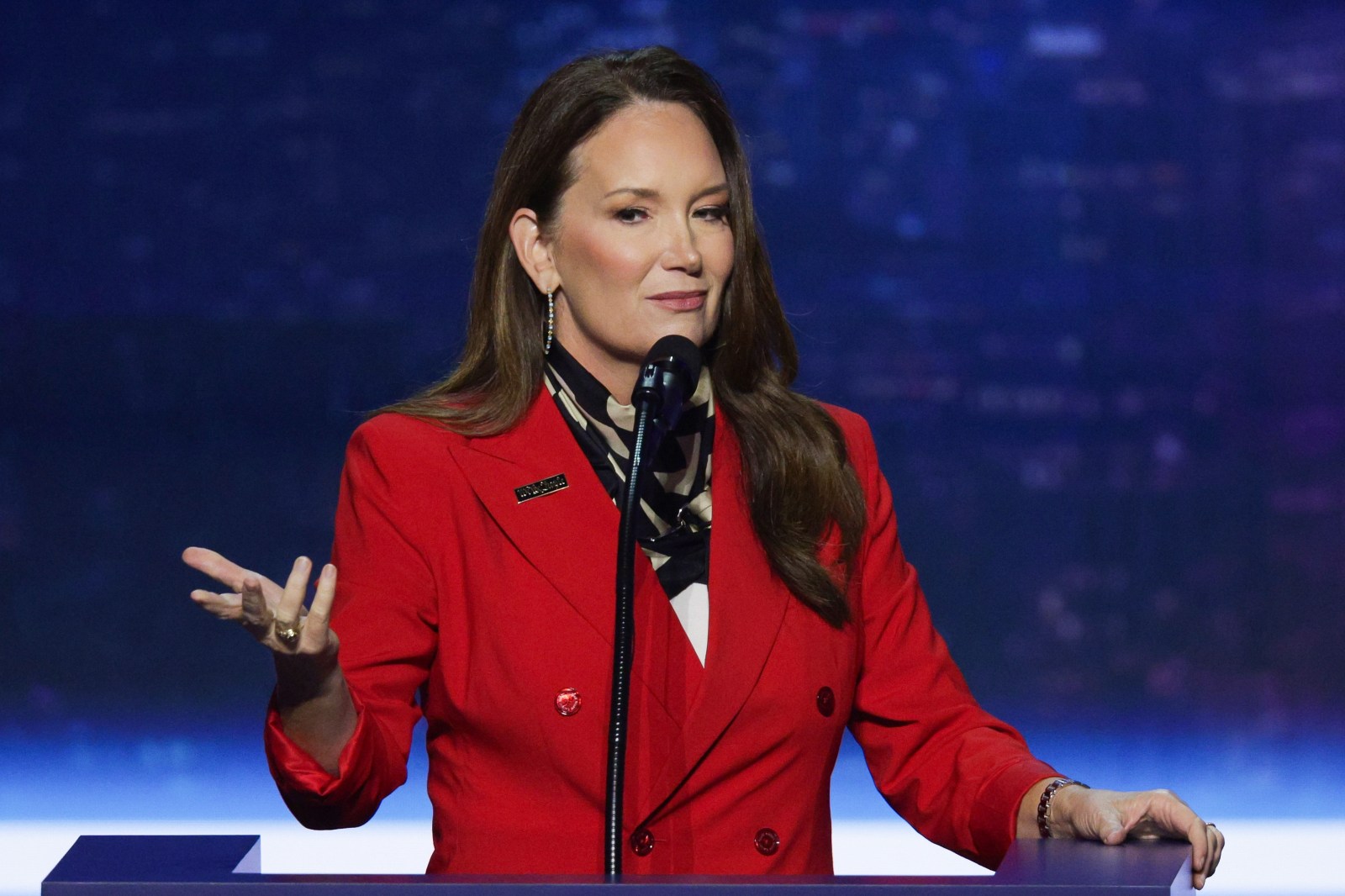
Agriculture Secretary Brooke Rollins stated that Americans continue to support purchasing beef despite rising prices. This stance comes amid political concerns surrounding affordability as the Trump administration approaches the 2026 midterm elections. President Donald Trump prioritized tackling high prices during his 2024 campaign, yet costs remain elevated, particularly the price of beef.
As of August 2026, the cost of uncooked ground beef reached $7.16 per pound, based on the U.S. Bureau of Labor Statistics data. In an interview on The Benny Show, Rollins highlighted factors contributing to high beef prices. She accused Democrats of harming cattle herds by restricting grazing lands and also pointed to issues like the New World screwworm.
Rollins noted the influence of the MAHA movement, led by Bobby Kennedy, which promoted beef consumption. She emphasized America’s passion for beef, stating, “America eats more beef than anywhere else in the world.” Despite high prices, Americans continue purchasing beef, valuing its nutritional benefits for their families.
“Even though a pound of ground beef was $6.50, most Americans say, ‘I’m good with that. I want this protein for my family.’ So they continue to buy.” – Brooke Rollins
Beef prices have increased substantially over the years. For example, prices climbed from $6.631 in July 2026 to $7.158 in August 2026. A report from the Coalition for a Prosperous America linked this spike to a declining number of U.S. cattle, which stands at 86.2 million—the lowest in 75 years. Drought conditions further exacerbate the issue, affecting 75% of the beef cow herd.
Farmers and ranchers face additional challenges, such as rising diesel costs, critical for agriculture. The national average price reached $6.5107, per AAA data. Rollins attributed these increased expenses to climate change policies from former President Joe Biden’s era, which she claims discouraged cattle herd expansion.
The Trump administration has taken actions to alleviate these costs. In August, Trump signed two executive orders to support ranchers. One order involved evaluating the status of wolves under the Endangered Species Act while reviewing compensation standards for predator-related losses. Another aimed to expand meat inspections between states and probe potential violations of the Packers and Stockyards Act.
To address beef prices further, Trump proposed waiving tariffs on imported beef, allowing 300,000 metric tons to enter the U.S. without out-of-quota tariffs over 90 days. This move drew criticism from industry stakeholders. The National Cattlemen’s Beef Association expressed disappointment, arguing that flooding markets with subsidized beef undermines efforts to rebuild domestic cattle herds. Republican voices, including Senator Tim Sheehy, critiqued the policy for potentially harming American ranching families.
Sheehy emphasized the impact on rebuilding efforts and the difficulties it poses for ranchers feeding the nation. This debate highlights the complexities of balancing consumer prices with support for the domestic cattle industry.
For further comments, Newsweek reached out to the USDA. Contact Newsweek editors Gabe Whisnant and Sam Wilson regarding this story.