
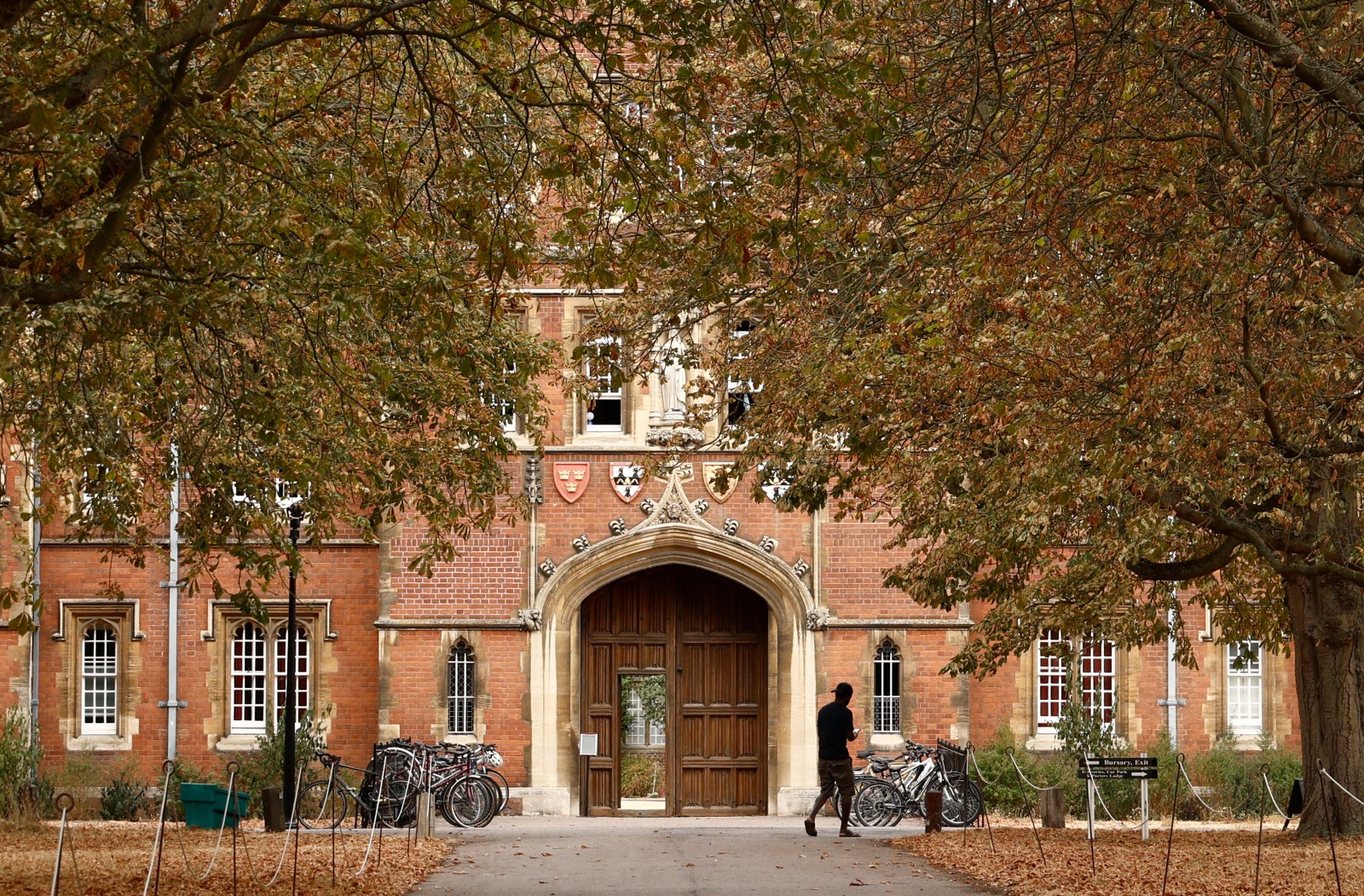
In July 2023, Jason Arday became the youngest Black professor at Cambridge University. This significant achievement highlighted a storied past, marked by challenges such as autism diagnosis at age three and severe communication delays until age eleven. Arday did not read or write until he turned eighteen, and his journey involved overcoming an assault and developing epilepsy in his late teens. His commitment took him from these obstacles to a Ph.D. and a professorship at Cambridge at thirty-seven, alongside claims of serving as an endurance athlete and fundraiser, contributing over £5.5 million to various charities.
Despite his achievements, Arday’s career faced scrutiny. Issues arose with accusations of academic misconduct, including alleged plagiarism in his work. Reports examined these claims, such as Retraction Watch’s investigation into potential borrowed content from an epidemiologist in a 2018 paper. This led to increased public and institutional scrutiny, though certain allegations, like the extensive plagiarism claim reviewed by David Sanders, remained contentious.
Personal and Professional Discrepancies
Further personal claims also attracted attention. Arday faced questions regarding his distance-running feats and charitable contributions, as well as discrepancies in his professorial positions at institutions like Ohio State University and Glasgow. Biographies describing unpublished works added to a growing list of inconsistencies, which the media collectively termed the ‘Jason Arday problem.’
Cambridge’s Reaction and Institutional Responsibility
Cambridge University initially celebrated Arday’s appointment, linking it to progress in diversity and inclusion. However, as allegations emerged, Cambridge faced criticism for potentially rushing a ‘media-friendly’ appointment without thorough vetting. A review was prompted after new information surfaced about Arday’s academic qualifications, exacerbated by public pressure and internal faculty concerns.
Defenders and Critics
Arday’s supporters saw a racial and political context behind the allegations, fuelled in part by the figures like Nathan Cofnas, whose Substack highlighted the appointment’s political nature. Letters supporting Arday from influential figures in academia and beyond underscored both the real and perceived elements of racial motivations behind his treatment and media portrayal.
Notwithstanding these perspectives, the press continued extensive coverage, contributing to Arday’s stress. Instances such as Times Higher Education receiving expansive reports on the plagiarism accusations raised questions about the impact of sustained media focus. Ultimately, Arday’s family reported that the barrage of misinformation and media-driven narratives had deeply affected him.
End of a Tragic Tale
On August 14, Jason Arday’s life ended unexpectedly at his home in Battesea, South London, at age forty-one. While authorities did not suspect foul play, his family cited the toll of public defamation and media scrutiny as a significant factor in his distress. The case of Jason Arday remains clouded by contrasts—genius and alleged fabrication, praised at the peak and vilified over doubts. Each account casts a different shadow on the man behind these debates, leaving unanswered questions about the real Jason Arday.