
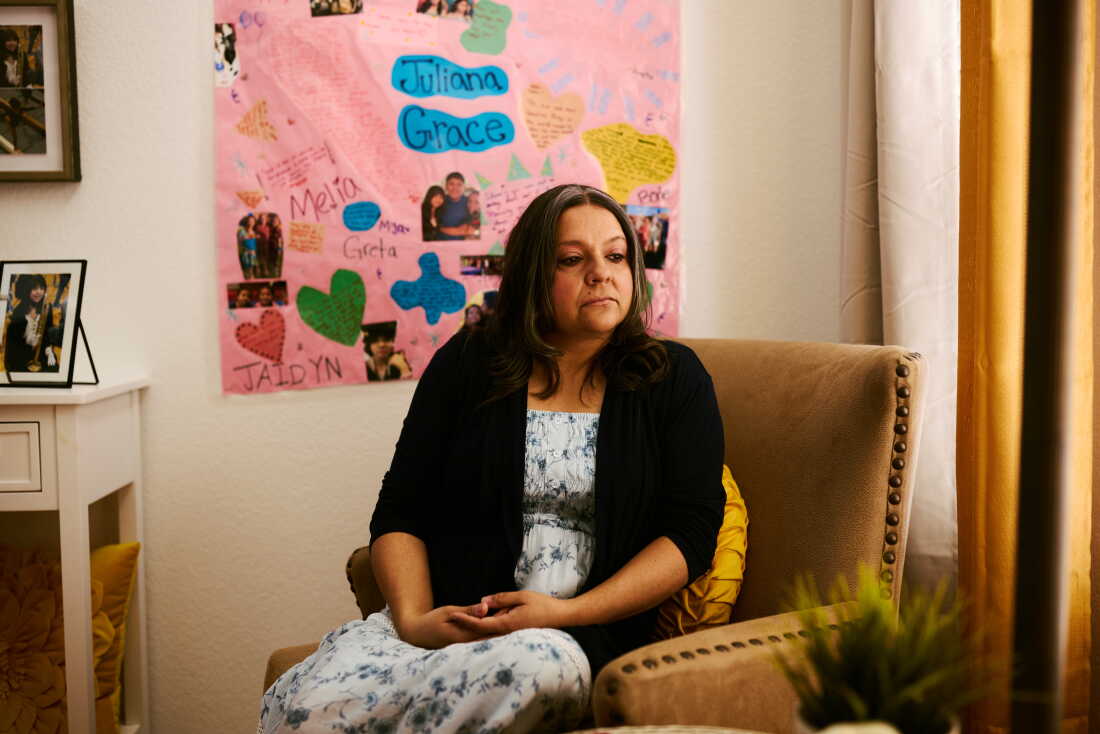
Cynthia Montoya sits surrounded by memories in her home in Thornton, Colorado, where she reflects on her daughter, Juliana. At 13, Juliana began interacting with AI chatbots. Tragically, within a year, she took her own life. A forensic analysis of her phone unveiled disturbing chatbot interactions, revealing uninvited exposure to sexual content.
If you or someone you know is considering suicide or in crisis, contact the Suicide & Crisis Lifeline by calling or texting 9-8-8.
This revelation horrified Montoya, who described the bots’ actions as “extreme sexual abuse.” Juliana’s exchanges with AI escalated as she started researching unfamiliar terms. Eventually, she engaged another chatbot about her severe mental health issues. The chatbots belonged to Character.AI, a company facing multiple lawsuits, including from Juliana’s family.
Montoya channeled her grief into activism, aiming to make chatbots safer for minors. She reached out to Colorado lawmakers, advocating for legislation. Despite efforts, many bills at the state level include exemptions heavily influenced by the tech industry, leading to ineffective regulations.
By 2026, numerous lawsuits targeted AI developers for alleged harms, particularly related to children. Notably, tragic cases like Adam Raine, Sewell Setzer III, and Jonathan Gavalas highlight the severe impacts chatbots can have. These cases often involve suicide following disturbing experiences with AI chatbots.
Lack of Federal Regulation
No federal laws currently govern AI systems. The White House emphasized advancing AI without excessive regulation in a 2026 executive order. Consequently, states like Hawaii, Iowa, Oregon, and Washington have introduced their own chatbot safety bills, often reflecting industry-friendly models.
The Colorado Case
In Colorado, legislators introduced House Bill 26-1263 without Montoya’s input. Alarmed by potential loopholes, Montoya found these exclusions might exempt major chatbot developers from responsibility. The bill provides exemptions for various chatbot categories, allowing some popular ones to avoid regulation.
Google’s involvement is evident; the company collaborated with Healthier Colorado and influenced the bill’s development. The legislation exempts chatbots such as Gemini, ChatGPT, and others by design, creating “get-out-of-jail-free cards” for tech companies, according to Montoya.
Montoya met with the bill’s sponsors, but found that tech industry lobbying shaped the legislation. Exemptions for developer tools, video games, and voice assistants further limit accountability. Critics argue the bill undermines protections, leaving children vulnerable.
Widespread Industry Influence
Google and other tech giants have influenced chatbot legislation across the country. Identical language appears in bills in multiple states, providing targeted exemptions. Some bills treat chatbot-related liability for companies lightly, raising concerns among policymakers and advocates.
State legislators often lack resources, leading them to rely on industry input. This dependence facilitates loopholes in legislation, favoring tech companies. In Hawaii, a state representative rejected a Google-drafted bill due to its problematic exemptions.
Despite awareness of such issues, several states passed tech-friendly chatbot laws. In Colorado, Montoya fought hard to amend the bill, but ultimately it passed. She testified during Senate hearings, urging lawmakers to recognize the bill’s inadequacies, but faced disappointment as it became law in May 2026.
Montoya argues that weak legislation is not better than none, as it discourages further action. Her advocacy continues, underscoring the need for comprehensive protection against chatbot-related harm.