
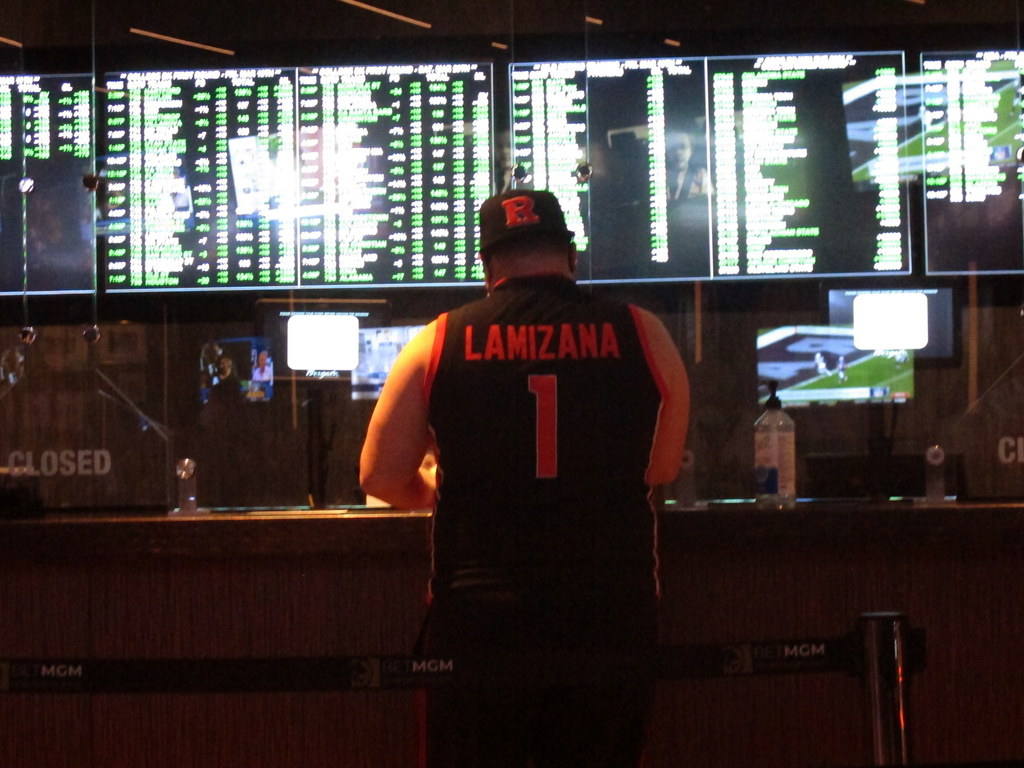
Growing up, many of us heard the advice, “if you don’t have anything nice to say, then don’t say anything at all.” While originally simple advice, this phrase could now serve as critical legal guidance, especially for college sports fans or bettors. Across the country, college athletes frequently face abusive and vulgar messages from sports fans.
Consider Florida State forward Cam Corhen, who discovered a barrage of hateful messages on his phone after an injury and low performance during a game. One message even expressed the wish that his mother would die. Similarly, North Carolina forward Armando Bacot received over a hundred demeaning messages based on his statistics, just 12 days after prop bets on college sports became legal in North Carolina.
Such harassment linked to sports betting has become a widespread issue. Research indicates that one in three high-profile athletes receive abusive messages from individuals with betting interests. These student-athletes juggle the demands of rigorous training, weekly competitions, and academic responsibilities. Additionally, they must maintain an active online presence due to Name, Image, and Likeness (NIL) developments, leaving them vulnerable to online abuse.
Young athletes face a daunting choice: enhance their public profiles for NIL or protect themselves from unrelenting digital abuse. To prevent them from making such difficult decisions, federal legislation is needed to tackle this challenge. Legalized sports betting has increased fan motivation to harass athletes, prompting calls for Congress to implement a national registry of banned bettors and enable athletes to take legal action against repeated harassment.
The rise of wager types like prop bets, which focus on specific player statistics, has further incentivized fans to direct their harassment at individual athletes. Some advocates support banning prop bets on college athletics or ending college sports betting entirely. However, given the opposition such measures would face from the gambling lobby, federal legislation presents a more feasible and timely solution.
Existing initiatives, such as the NCAA’s “Don’t Be a Loser” campaign, highlight the impact of gambling-related harassment, but they lack enforcement. Current legal frameworks vary widely; some states ban prop bets while others do not, creating protection gaps for athletes. A federal solution can provide consistent safeguarding across states.
Proposed federal legislation would impose criminal penalties on individuals who cause substantial emotional distress or safety fears through online harassment. The New York Senate Bill provides a model by defining harassment to include the abusive messages athletes receive. It further bars convicted individuals from placing sports bets. A federal standard would ensure uniform treatment nationwide.
Further, this legislation should empower athletes to sue those responsible for such abuse. The possibility of recovering monetary damages would deter offenders since their actions often stem from financial frustration due to lost bets.
Critics may argue free speech concerns, but this solution targets legitimate threats and repeated harassment, not constructive criticism. The Supreme Court has established that threatening speech is unprotected by the First Amendment. While athletes can expect critical feedback, harassment crosses the line.
Implementing a federal standard would unify accountability across jurisdictions, unlike the mixed results of state laws and banned bettor lists. This legislation would establish baseline protection for athletes regardless of their state, offering standardized recourse for harassment.
College athletes are accustomed to the challenges of competitive sports, but they should not have to endure abuse. Addressing this issue demands more than awareness; it demands accountability and a commitment to safeguarding the well-being of athletes who are essential to college sports.