
Decision to Cut Polling Sites
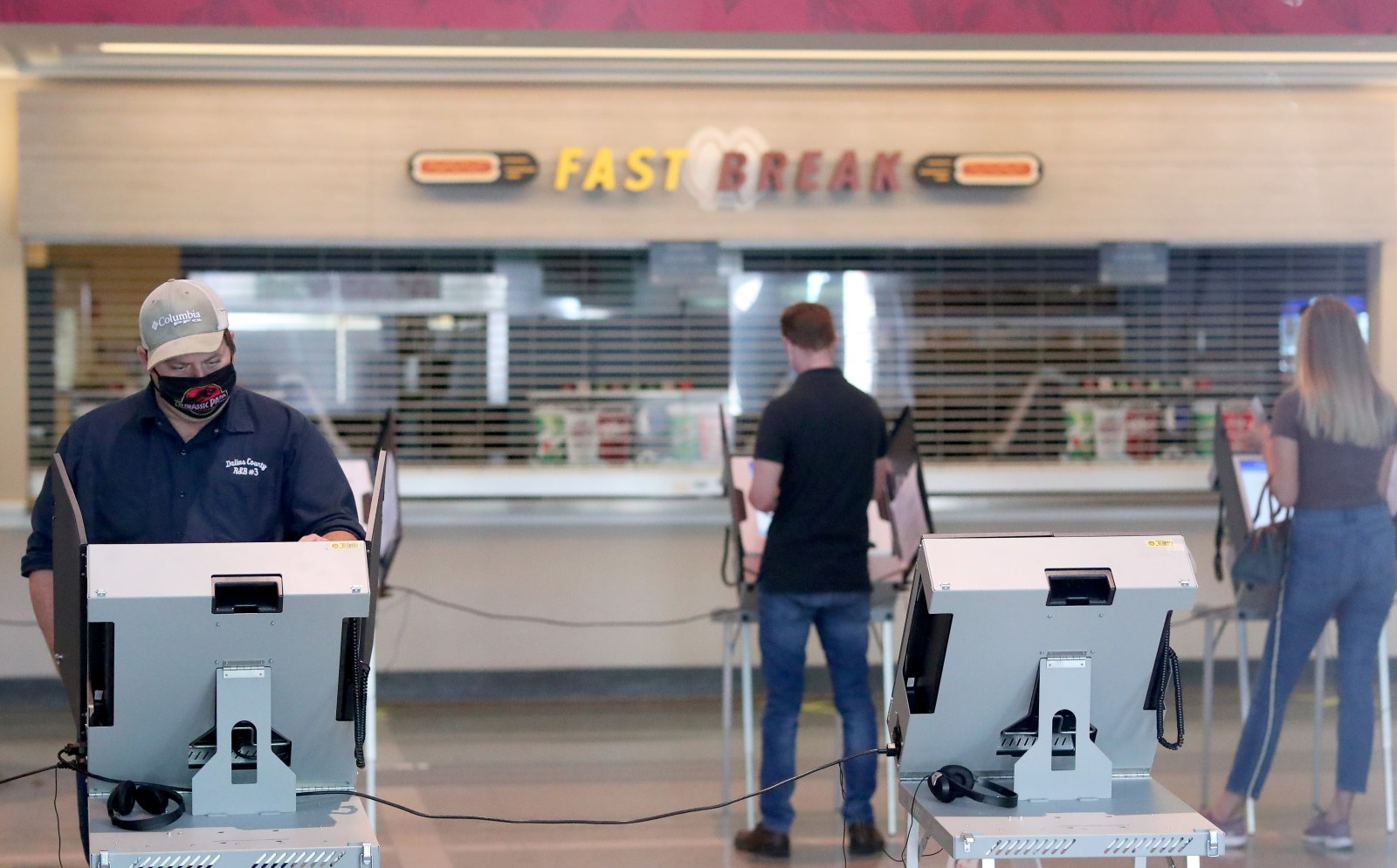
In Tarrant County, Texas, officials have voted to reduce the number of polling sites ahead of the midterm elections in November. The reduction amounts to 92 fewer sites compared to the previous 2022 elections, leading to significant backlash from Democrats and voting rights advocates.
The County Commissioners Court passed the vote by a margin of 3-2, with the decision strictly falling along party lines. The Republican members, County Judge Tim O’Hare and commissioners Matt Krause and Manny Ramirez, approved 224 polling locations for the November 3 election. This number is designated to serve an estimated 1.3 million voters and contrasts the 316 sites available during the 2022 midterms. Democratic commissioners Alisa Simmons and Roderick Miles Jr. opposed the plan.
Legal Context and Proposal Details
Under Texas law, counties hold the authority to determine the number of polling sites. Initially, a larger reduction of 140 sites was proposed but later reconsidered. That proposal shifted when Tarrant County Elections Administrator Clint Ludwig acknowledged concerns about site availability.
Additionally, early voting locations have slightly decreased from 50 in 2022 to 47 this fall. Ludwig emphasized that the reduction aimed to optimize locations based on voters’ preferences and compliance with ADA and operational standards.
Officials’ Justifications
Ludwig maintained confidence in the plan’s ability to ensure voting opportunities for all. O’Hare dismissed concerns about voter suppression and highlighted logistical reasons for cutting locations. O’Hare stated that polling sites were intentionally spaced, averaging 2.85 miles apart for early voting and 1.56 miles apart for Election Day voting. Sites previously placed close to each other were eliminated to enhance efficiency.
O’Hare also pointed out mandatory state requirements, such as the secure storage of early voting equipment, asserting the plan’s adherence to safety and accessibility standards. The county employs a system allowing voters to cast their ballots at any polling location within the county on Election Day.
Opposition from Critics
During a lengthy session on Tuesday, more than 100 individuals presented testimony condemning the reduction. Among critics were voters, voting rights advocates, and Democratic lawmakers, who claimed the site cuts would inconvenience those with limited transportation options, particularly affecting locations like the University of Texas at Arlington.
“This proposal is a voter suppression tactic designed to impede Black voters and other voters of color from exercising their right to vote at the polls,”
said Demetria McCain, director of policy at the Legal Defense Fund. She urged rejection of the plan.
Many critics advocated for an increase in polling sites, aligning with population growth trends. Alisa Simmons addressed the issue from a political perspective, suggesting the reduction was about leveraging power rather than cost. She and Miles unsuccessfully proposed expanding polling locations.
Political Implications
Tarrant County is experiencing rapid growth, politically signaling a shift toward the Democratic Party within a traditionally Republican state. Recent election data illustrates this shift. For instance, Joe Biden narrowly won the county in 2020.
In a broader context, Democrats see the site reductions as a reaction to previous electoral surprises, with Democrat Taylor Rehmet recently winning a highly contested state Senate seat. State Representative Gina Hinojosa criticized the cuts as obstructive to voting access.
Upcoming Elections
Early voting in Tarrant County is scheduled from October 19 to October 30. The official Election Day is November 3, with voter registration concluding on October 5.