
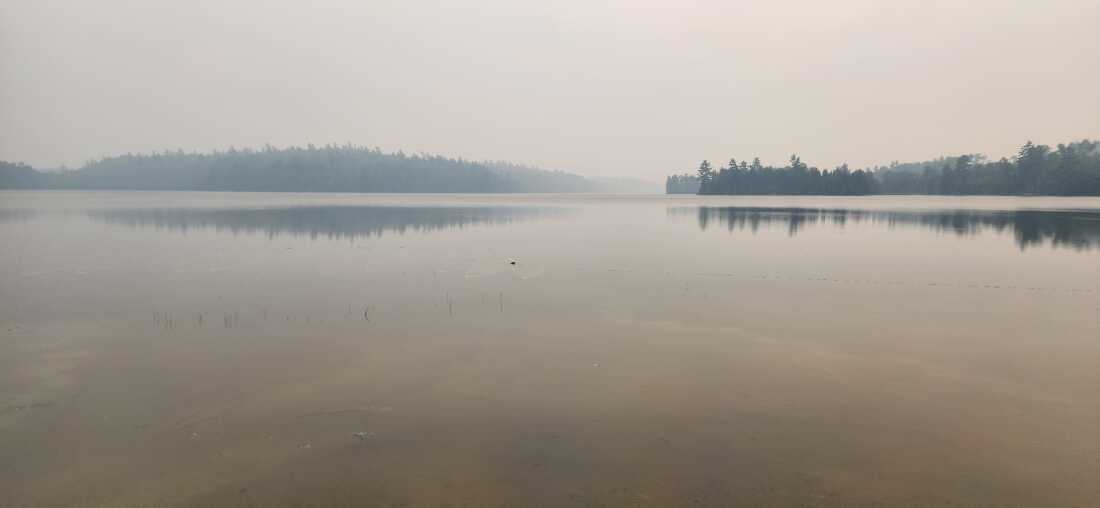
In July, Camp Widjiwagan in Ely, Minnesota, faced a blanket of wildfire smoke. Further south, Penelope, a seven-year-old, spent her time playing in the swimming pool at Beauvoir Summer Camp in Washington, D.C. She imagines herself as a mermaid, using pool noodles as a dolphin for imaginative play. Fridays mean ‘free swim,’ where kids enjoy splashing in the pool and playing with kickboards and torpedo toys.
However, earlier that summer, outdoor activities were curtailed. Drew Mackay, the director at Beauvoir School, mentioned that hazardous air from wildfire smoke kept campers indoors. A heatwave also led to reduced outside playtime. Such extreme weather events have been widespread, affecting large regions of the Midwest and the Northeast. While Minnesota and Canada experienced devastating fires, Texas faced deadly floods, leading to disaster declarations.
Heatwaves have become more frequent as climate change advances, primarily due to fossil fuel burning. This change disrupts family activities. In Pennsylvania, Lauren Smith and her children faced extreme heat, which limited soccer camp activities. Wildfire smoke kept them indoors until rain offered some relief, prompting walks in the rain. This summer’s challenges reminded Smith of the pandemic’s impact, with children previously stuck at home and now facing severe weather.
Changing Realities for Summer Camps
Summer typically provides students with a break from schoolwork. A 2024 Gallup survey notes that over half of U.S. parents enroll their children in structured summer programs. Henry DeHart, CEO of the American Camp Association, highlighted how summer camps help children develop crucial skills for the future.
Despite weather challenges being common for camps, DeHart points out a noticeable increase in extreme weather events. Camps, once prepared for a few hot days, now face longer periods of heat. Ellen Watkins, directing Miakonda Day Camp in Ohio, recounted how they adapted to wildfire smoke by moving inside and organizing indoor activities.
Not all camps could adapt easily. Camp Widjiwagan in Ely faced a unique issue, forcing them to submerge historic canoes to protect them from wildfires. “We have never sunk canoes at camp,” said Ben Hoffman, the executive director.
For Eleanor Pitts, a 17-year-old camper at Widjiwagan, climate change became evident during her 26-day voyage in Willmore Wilderness Park, Alberta. Increased snow runoff melted by extreme heat flooded rivers, marking a change in the camp’s environment. Despite missing the end celebration due to smoke, Pitts reflected on the immediate effects of climate change on her camp experience.
At Beauvoir Summer Camp in D.C., Mackay acknowledged that adapting to extreme weather is now a part of running summer camps. Children’s primary concern remains focused on enjoying their time at the pool.