
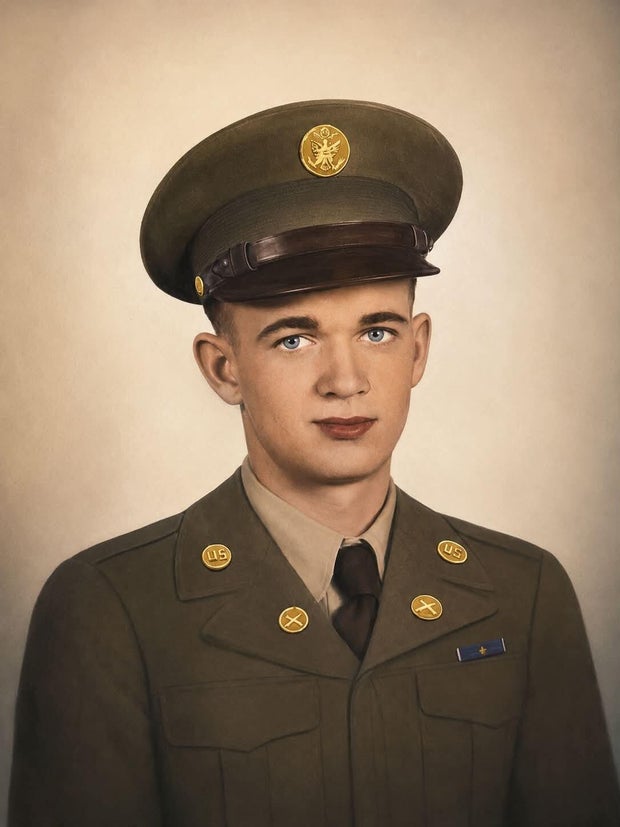
The Defense POW/MIA Accounting Agency announced the identification of six soldiers who died in the Korean War. This effort is part of a broader mission to find and identify the remains of American soldiers from the conflict.
Identification Details
U.S. Army Cpl. Jackie Lee Thurman was an 18-year-old forward observer with Battery B, 99th Field Artillery Battalion, 1st Cavalry Division. He was last seen under heavy attack near Waegwan, South Korea. His remains, originally deemed unrecoverable, were identified after being disinterred from Honolulu’s National Memorial Cemetery of the Pacific. Thurman was marked as accounted for on May 18, 2026.
U.S. Army 1st Lt. Raymond Banker Gilbert served with B Battery, 503rd Field Artillery Battalion, 2nd Infantry Division. Taken prisoner during the Ch’ongch’on River battle, he died in a POW camp in 1951. His remains, returned during Operation Glory, were identified later and marked as accounted for on June 4, 2026.
U.S. Army Cpl. William R. Laughlin Jr. from Company D, 1st Battalion, 32nd Infantry Regiment, 7th Infantry Division, went missing during the battle at the Chosin Reservoir. His remains were accounted for on Sept. 28, 2026, following a disinterment and forensic analysis.
U.S. Army Sgt. Joseph A. Platzkoester was last seen during an ambush in Inje, South Korea. Misclassified remains were later identified as his and marked accounted for on May 29, 2026.
U.S. Army Cpl. Andrew R. Tischler and Cpl. Richard N. Lennox, both reported missing during marches in South Korea, were accounted for on May 5, 2026, and Aug. 7, 2025, respectively. Tischler’s identification details remain undisclosed. Lennox was captured and later died in a POW camp, with his remains identified post-disinterment.
Identification Process
The process involves archival research, witness interviews, and scientific analysis. Identified remains undergo DNA testing, X-rays, and isotope analysis. Forensic experts also use dental and tuberculosis skin test records.
The agency states that approximately 7,500 Americans remain unaccounted for from the Korean War.
Efforts are complicated by diplomatic issues with North Korea. Nonetheless, exchanges like Operation Glory offer opportunities for some recoveries.
Soldiers’ names from this group will have rosettes placed next to them at the National Memorial Cemetery of the Pacific.