
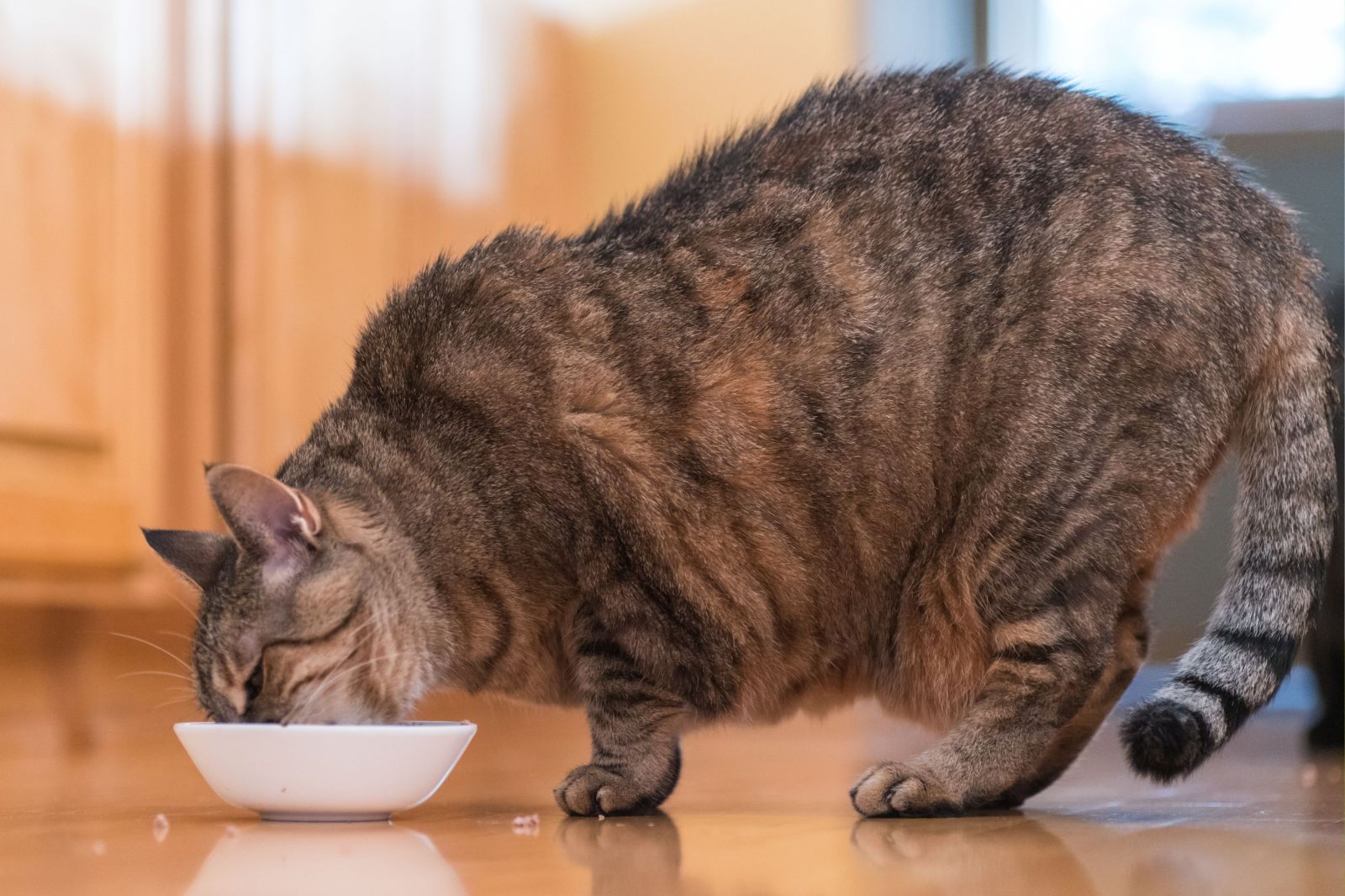
Understanding Feline Obesity
Cats gaining weight undetected is a common concern for pet owners. Dr. Ruth MacPete, a veterinarian, highlights signs that indicate overfeeding. Cats might show these subtle signs, hinting at larger health issues if not addressed.
Obesity in cats poses risks similar to those in humans. It can lead to arthritis, diabetes, and liver disease. However, pet parents can notice certain clues before the situation worsens.
Feeding Habits to Watch
“Overweight pets may be cute, but they are not healthy,” says MacPete.
One common feeding habit is leaving food available for cats all day. Called “free feeding,” this method, although convenient, might not suit every cat. Some cats tend to consume more calories than necessary this way, especially when combined with extra treats.
Regulating Treats
Treats should only account for 5 to 10 percent of a cat’s daily caloric intake, with the remainder from balanced cat food.
Detecting Weight Gain
Monitoring Gradual Weight Gain
Weight increases can be tricky to spot due to daily interaction with your cat. Veterinarians advise a professional evaluation. They use a body condition score, a nine-point system, to assess a cat’s weight status. An ideal score is 5, while higher numbers suggest excess weight.
Your vet examines your cat’s ribs, spine, and overall appearance to assess weight issues. Should your cat need a diet plan, a veterinarian offers guidance on calorie reduction.
Physical Indicators of Obesity
Difficulty in Movement
Overweight cats might struggle to jump on furniture, indicating they are heavier than healthy limits allow. Since natural behaviors involve climbing and jumping, significant changes warrant a vet discussion.
Challenges in Grooming
Weight may hinder grooming, especially in reaching the back area. Poor grooming can result in a dirty or matted coat, potentially leading to skin issues.
Decreased Play Activity
A decline in playfulness may hint at excessive weight. Although aging reduces activity, reluctance to move often ties back to obesity, creating a cycle of inactivity and further weight gain.
Helping Your Cat Lose Weight
Weight loss involves reducing calorie intake and increasing activity. However, drastic cuts in food are ill-advised; professional guidance is crucial.
“Losing weight too quickly can be dangerous and can lead to hepatic lipidosis, a potentially fatal liver disease,” MacPete warns.
Regular veterinarian checkups, annually or biannually for older cats, enable owners to track and address weight changes early for better health outcomes.