
Health officials in North Carolina have announced that cyclospora cases within the state are not connected to the Taco Bell lettuce outbreak and stem from multiple sources. A significant rise in cyclospora cases has been noted recently, even as the outbreak related to shredded lettuce from Taco Bell continues. Officials confirm this source is central Mexico.
During a press conference on July 21, North Carolina officials highlighted that the cyclospora surge is not solely linked to Taco Bell’s lettuce. Rather, they attribute the increase to various sources. Notably, similar upticks in cases occurred in June and July in prior years. However, the current year’s numbers are particularly high.
“There are many fresh fruits and vegetables that can serve as vehicles for cyclospora,” said Carl Williams from the North Carolina Department of Health and Human Services. He explained that multiple vehicles likely contribute to cyclospora spread, pointing out that it is not confined to one source or company.
In Michigan, shredded lettuce from Taco Bell does comprise a notable portion of cases. However, Williams stated that this does not account for all cases. When questioned about potential sources like lettuce, parsley, and cilantro, Williams acknowledged their frequent involvement in cyclospora cases.
Williams emphasized, “That’s not necessarily proof.” However, if certain herbs or vegetables often appear in outbreaks, connections become likely. This summer, the CDC reported a widespread cyclospora outbreak, with 4,173 confirmed cases and 308 hospitalizations spread across 41 states since May 1. State health officials may report even higher numbers.
In North Carolina alone, 561 cases have been reported since May 1, with 254 new cases appearing between July 14 and July 21. Sixteen hospitalizations have occurred. Newsweek has reached out to both the North Carolina Department of Health and Human Services and the CDC for comment.
What Is Cyclospora?
Cyclospora cayetanensis is a microscopic parasite causing cyclosporiasis, which results in gastrointestinal issues like watery diarrhea, stomach cramps, nausea, fatigue, and appetite loss. The parasite spreads through food or water contaminated with human feces. According to the FDA, humans are its sole known host.
Symptoms appear one to two weeks after consuming contaminated food or water. Cyclospora, unlike many foodborne illnesses, typically does not spread directly between people. The parasite requires time in the environment to become infectious.
Health officials identify fresh produce as a common cyclospora carrier. Contamination can occur through irrigation water or other environmental exposures. The North Carolina Department of Health and Human Services notes a frequent connection to fresh herbs and produce, such as uncooked parsley and cilantro.
The department provides guidelines: remove damaged areas from produce before preparation, rinse before peeling, rub produce under running water, scrub firm produce with a clean brush, dry with a clean cloth or paper towel, and discard outer leaves from lettuce or cabbage.
CDC Expands US Outbreak to Nine States
The cyclospora outbreak is the largest recorded in recent U.S. history, according to CDC data. Earlier in July, the CDC indicated the outbreak included cases in Michigan, Ohio, Indiana, Kentucky, and West Virginia. Further reports by the Washington Post suggest four additional states – Illinois, Kansas, Oklahoma, and Pennsylvania – could be affected.
Officials say patients in these states may have fallen ill simultaneously as those in the initial five states. However, further time is necessary to confirm which illnesses are part of the same outbreak.
Following remarks by Health Secretary Robert F. Kennedy Jr., federal investigations continue. Kennedy stated the outbreak control measures were in place after identifying the source and triggering a large-scale lettuce recall.
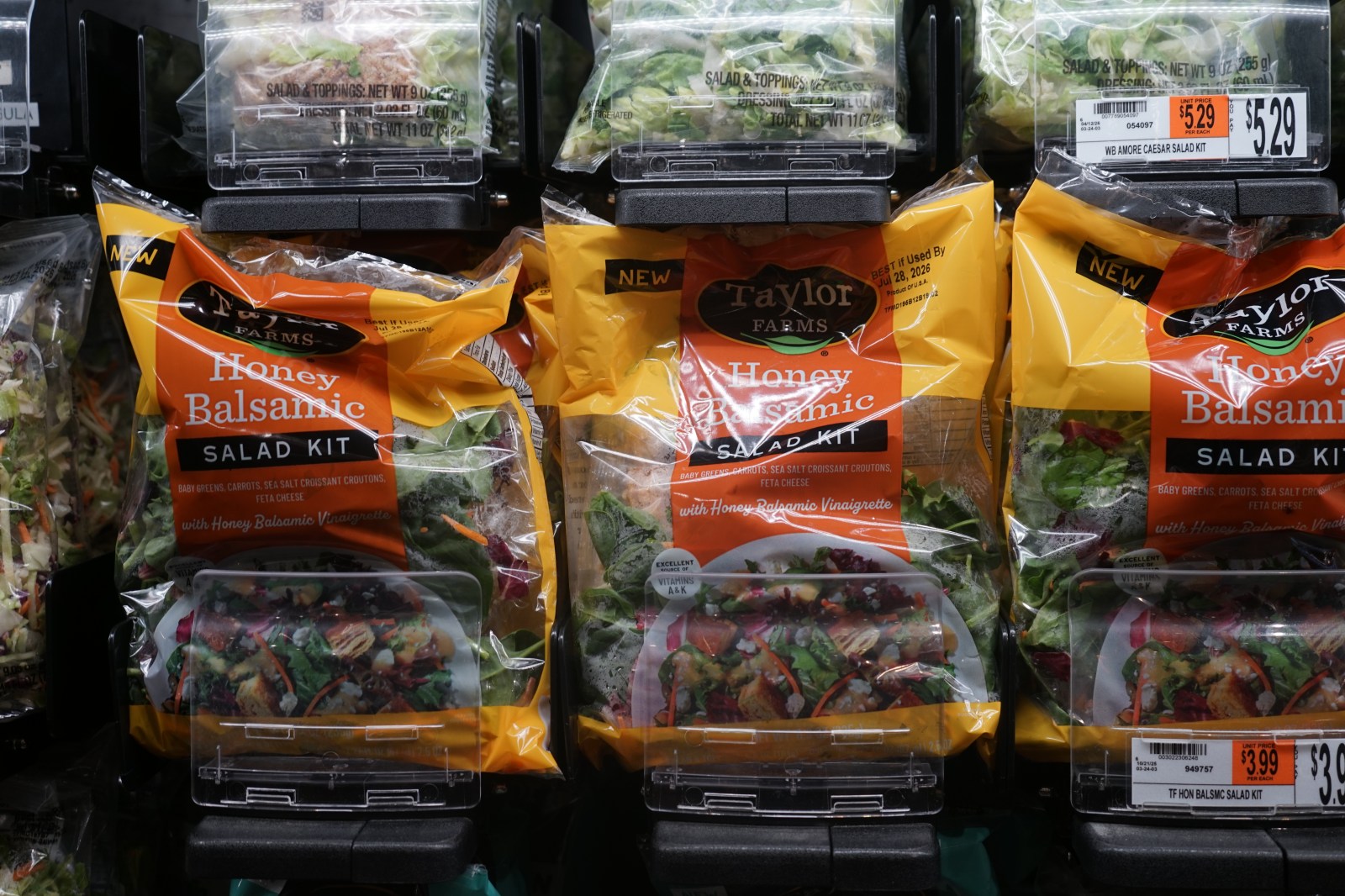
Recently, the FDA reported a false positive test of shredded iceberg lettuce supplied by Taylor Farms that initially tested positive for the parasite. Taylor Farms issued a statement confirming no part in the recall following the FDA’s mistake acknowledgment.
Mexican Health Minister David Kershenobich declared no evidence points to lettuce sourced from Mexico as the origin of the outbreak. “So far, no evidence has been found to indicate that it originated there,” he mentioned, during a government news conference, ensuring precautionary measures are in place.
Newsweek editors John Fitzpatrick and James Debens handle inquiries about this story.