
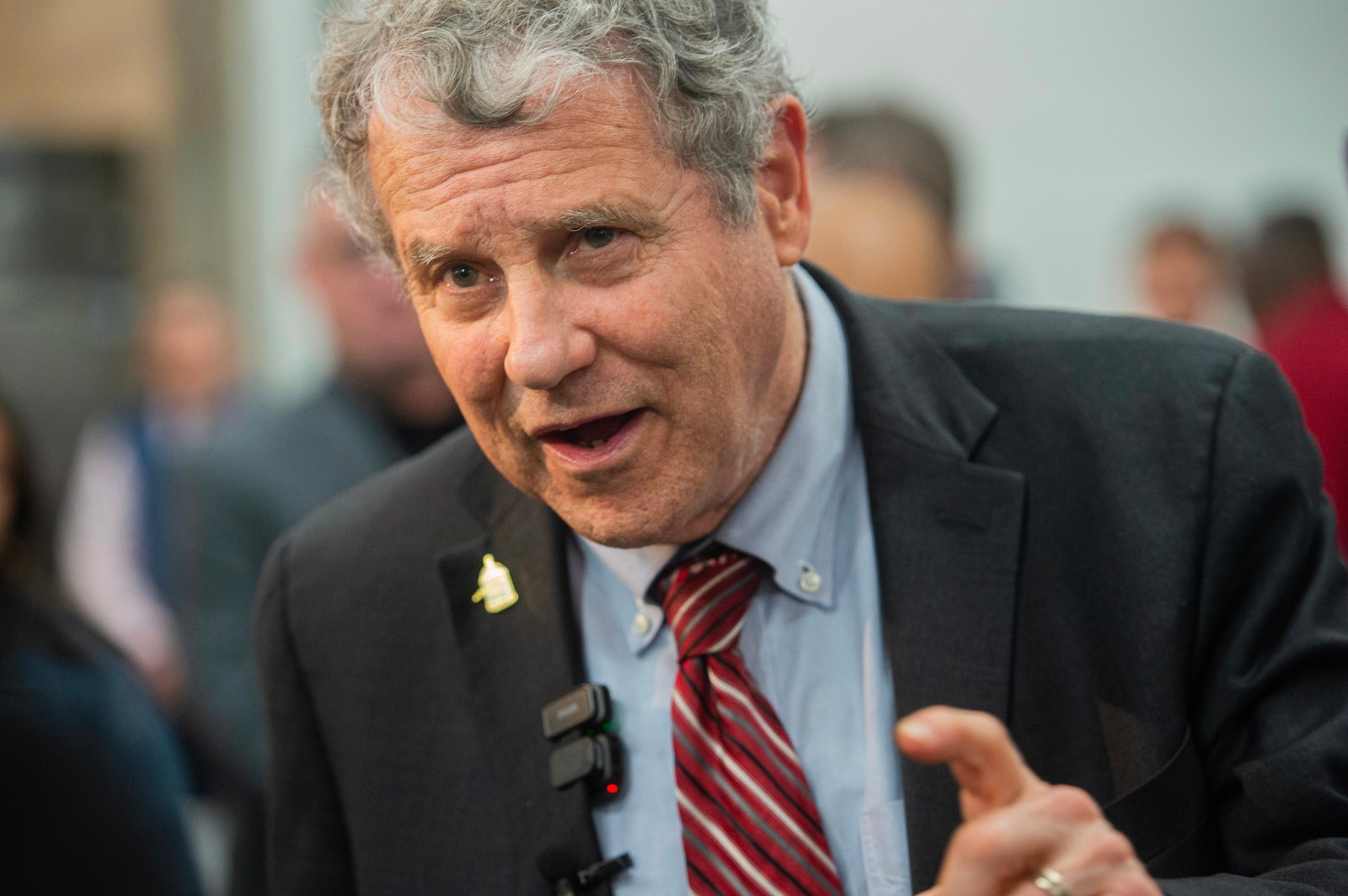
Sherrod Brown vs. Ohio’s Rightward Shift
Democrat Sherrod Brown holds a narrow lead in Ohio’s U.S. Senate race as the midterm elections approach. This reflects an effort to counteract the state’s decade-long shift towards conservatism. Ohio was a key battleground in the 2000s, with Barack Obama winning it in 2008 and 2012. Recently, however, it has leaned Republican, evident in Donald Trump’s 11-point win in 2024.
First elected in 2006, Brown lost his re-election to Republican Bernie Moreno in 2024. Despite past comfortable wins, Ohio’s conservative trend posed challenges. Currently, Brown aims to unseat Republican Senator Jon Husted. Husted filled the seat left by Vice President JD Vance, making the race a focal point in Senate battlegrounds.
Factors Influencing the Race
Democrats are hopeful about winning, buoyed by Brown’s polling lead and strong fundraising. Additionally, Trump’s declining national approval may weaken Republican chances in tight races. A Brown victory would challenge Ohio’s conservative trend.
Robert Alexander, a political science professor at Bowling Green State University, highlighted Brown’s potential appeal. Brown’s populist brand has resonated with union households, rural voters, and independents. Messages of economic populism appeal to many in Ohio, especially amid backlash against data centers.
Polling Dynamics
Brown’s lead in polls as Election Day approaches places the race among the most competitive midterms. The Cook Political Report and Sabato’s Crystal Ball rate it as a toss-up. RealClearPolitics showed Brown with a 3.1-point lead. The New York Times and Siena University poll placed him at 49%, while Husted had 46%.
Marginal differences in polling, however, caution against overconfidence. Prior estimates underestimated Republican strength in 2024. Fundraising gives Brown an edge with $14 million raised, compared to Husted’s $7.7 million.
Ohio’s Political Shifts
Trump’s 11-point win in 2024 marked significant Republican gains, as Ohio shifted right. Previously, Obama won by narrower margins in 2008 and 2012. Trump’s appeal grew among white working-class voters, particularly in rural and northeastern areas.
Despite Democratic inroads in Cincinnati and Columbus suburbs, Republicans gained momentum in rural areas. If Brown wins, his coalition would differ from past successes, focusing more on suburban areas like Delaware County. Democrats also need to reduce rural vote margins.
Challenges and Opportunities
Brown’s campaign tests whether Democrats can regain Ohio’s support. His performance showed strength when he lost by less than 4 points in 2024 despite Kamala Harris’s 11-point loss. This suggests crossover appeal among voters who supported both Trump and Brown.
Trump not being on the ballot affects dynamics. While Trump may rally the base, Brown’s appeal to independents becomes crucial as disillusionment could shift votes.
Data Centers: A Key Issue
AI data centers have become central in Ohio’s Senate race. Brown attacked Husted’s role in supporting data center developments and tax breaks. Husted introduced the Ratepayer Protection Act, which failed, stirring debate on data center policies.
Brown positioned himself against Big Tech, appealing to voters worried about data centers. This stance could enhance his campaign, given concerns about economic impact and political corruption.
Implications for 2026 Midterms
Ohio’s Senate race can influence the Senate’s power balance. Republicans currently hold a 53-47 majority. If Democrats win Ohio and other challenging states, they could reclaim the Senate. A Husted win pressures Democrats to succeed elsewhere.
The Ohio Senate race remains critical, with both parties keenly watching its outcome as elections near.