
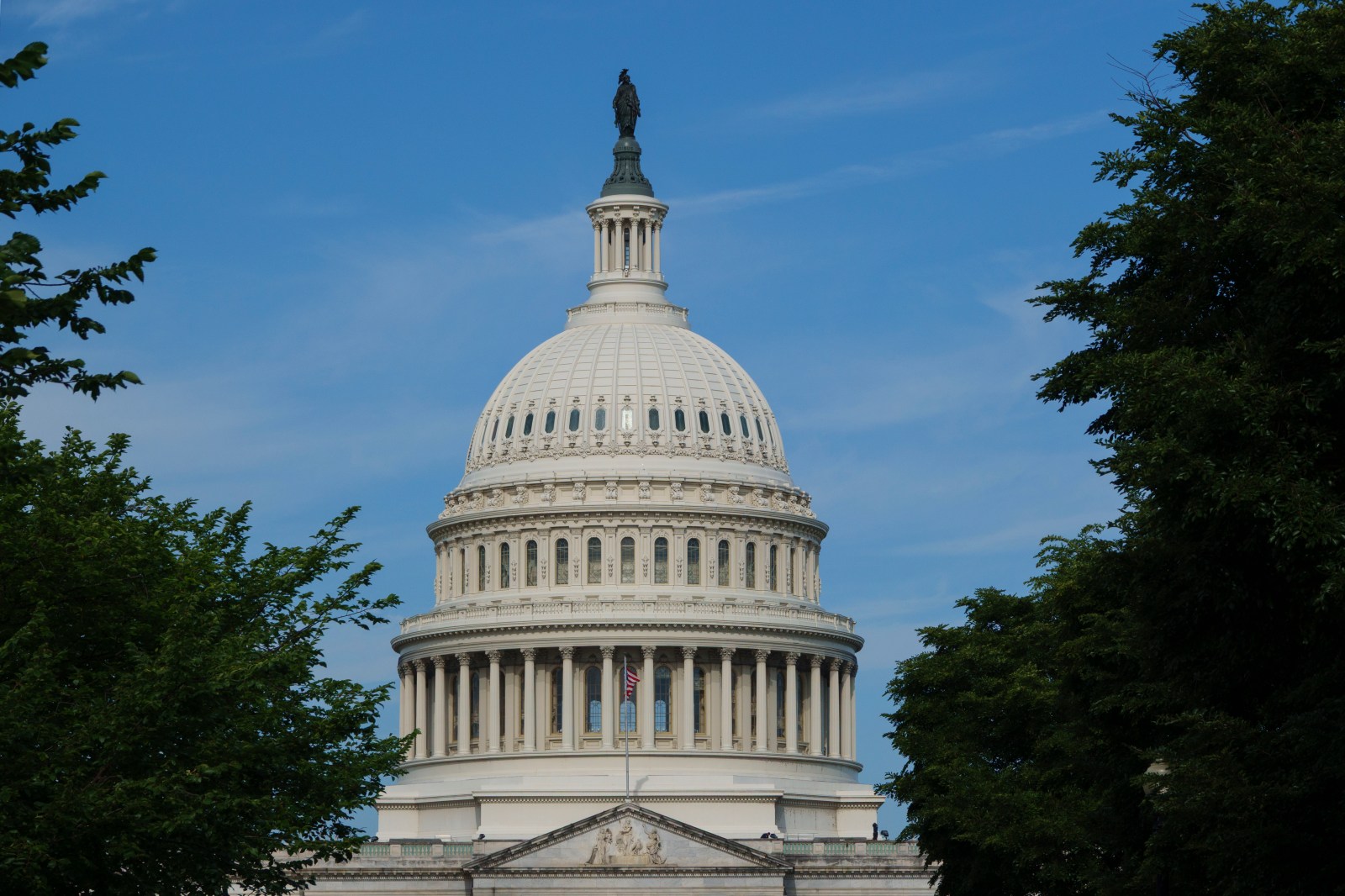
The Senate approved a short-term funding bill with a 90-6 vote, effectively keeping the federal government funded through December 11. This move postpones the next potential shutdown past the upcoming November midterm elections. The measure maintains current funding levels beyond the September 30 expiration and includes several negotiated provisions.
Reconciliation Needed Between Senate and House
The House has passed a different continuing resolution, proposing to fund the government until December 4. Both chambers need to reconcile these differences for the legislation to proceed to President Trump for approval.
Purpose and Provisions of the Senate Bill
The Senate bill is a continuing resolution. It extends government funding temporarily rather than establishing full appropriations for fiscal year 2027. The goal is to sustain current funding levels through December 11, giving Congress more time to negotiate detailed appropriations.
This bill includes several key exceptions and policy changes. One Democrat-advocated provision prevents funds from transferring to the Border Patrol, limiting the Trump administration’s flexibility in redirecting money to border security. The bill also allows adjustments to housing and food assistance, as reported by Reuters. Additionally, it defers a national ban on certain hemp products by one month, a subject of Republican debate.
Another provision, favored by Democrats and some Republican committee members as noted by The Hill, temporarily blocks a White House rule. This rule would let executive branch appointees have more authority over federal grant distribution. Democrats argue it could politicize the grant-making process, though the budget office claims it’s meant to ensure accountability and proper use of taxpayer funds.
The Six Senators Opposing the Bill
Six senators opposed the stopgap measure, including three Democrats, one Independent, and two Republicans:
- Bill Cassidy (R-La.): A physician focusing on health care and government spending.
- Tim Kaine (D-Va.): Former Virginia governor with interests in foreign policy and economy.
- Ed Markey (D-Mass.): A proponent of climate change and tech regulation.
- Rand Paul (R-Ky.): Known for advocating reduced federal spending and limiting government power.
- Bernie Sanders (I-Vt.): A progressive voice for expanded health care and higher wages.
- Elizabeth Warren (D-Mass.): A focus on financial regulation and economic equality.
Newsweek reached out to all six senators for comments via email or online form.
Implications for Midterm Elections
The Senate bill’s extension until December 11 shifts the deadline for a potential shutdown beyond the November 3 midterms. Senate Majority Leader John Thune called for an agreement before the August recess to avoid a pre-election shutdown standoff.
The House measure differs, proposing funding through December 4, requiring reconciliation before becoming law.
Next Steps
The Senate vote doesn’t yet prevent a shutdown. The House’s own resolution expires December 4. Congress must align on identical legislation for it to continue to President Trump for signing. If agreed upon, agencies remain funded through December 11, sidestepping an immediate pre-election shutdown.
The December deadline sets the stage for a significant spending decision post-Election Day. Lawmakers will need to decide on full fiscal year appropriations or opt for another temporary extension.