
Empowering Communities with Air Pollution Data
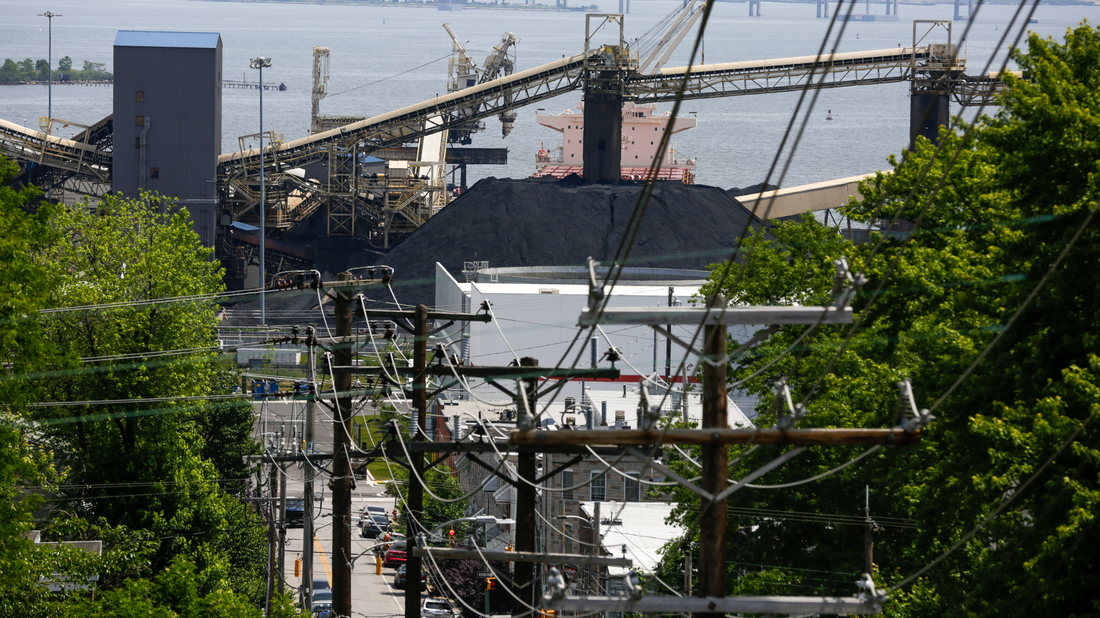
Residents of Curtis Bay, Maryland, have long advocated for cleaner air. Their struggle mirrors that of many communities across the U.S., where polluted air disproportionately affects working-class and minority neighborhoods. Often, residents are aware of the pollution, yet lack the necessary data to combat it effectively.
Introduction of TEMPO Satellite
The launch of the new satellite, TEMPO (Tropospheric Emissions: Monitoring Pollution), offers a promising development. NPR climate reporters Rebecca Hersher and Seyma Bayram discussed its potential impact with Short Wave host Emily Kwong.
“TEMPO is a joint endeavor between NASA and the National Oceanic and Atmospheric Administration (NOAA),” they explained.
This satellite aims to measure pollutants such as ozone, nitrogen dioxide, and sulfur dioxide. It will cover the entirety of the U.S., providing real-time data every hour, every day.
Implications for Air Quality Monitoring
The primary goal is to enhance air quality guides, making them more accurate and specific to local conditions. Such improvement in data accessibility and precision could empower communities engaged in prolonged battles for clean air.
With hourly updates, residents can have more immediate and location-specific insights. This may influence advocacy efforts and policy adjustments, fostering a healthier environment.
Community Interaction and Episode Production
NPR encourages listeners with scientific inquiries to reach out via email at [email protected]. The discussions, including those centered around TEMPO, can be accessed on Spotify, Apple Podcasts, and Google Podcasts.
The podcast episode mentioning this initiative was produced by Berly McCoy, edited by managing producer Rebecca Ramirez, and fact-checked by Hersher and Bayram. Patrick Murray provided the audio engineering.