
Dr. Qanta Ahmed from the Independent Women’s Forum warns of escalating violence in Europe. Pro-Palestinian and communist groups are clashing with police. Over 800 rioters have been arrested in France for looting and arson. Ahmed examines the cultural and political shifts leading to these protests across Europe.
With images of unrest spreading from France and Italy, leaders in Hungary and Poland are using the situation for political purposes. They focus on the migration debate instead of the unrest. Both countries have resisted EU pressure to accept more migrants. Hungary, under Viktor Orbán, and Poland, sanctioned in 2025, have faced penalties for their refusal.
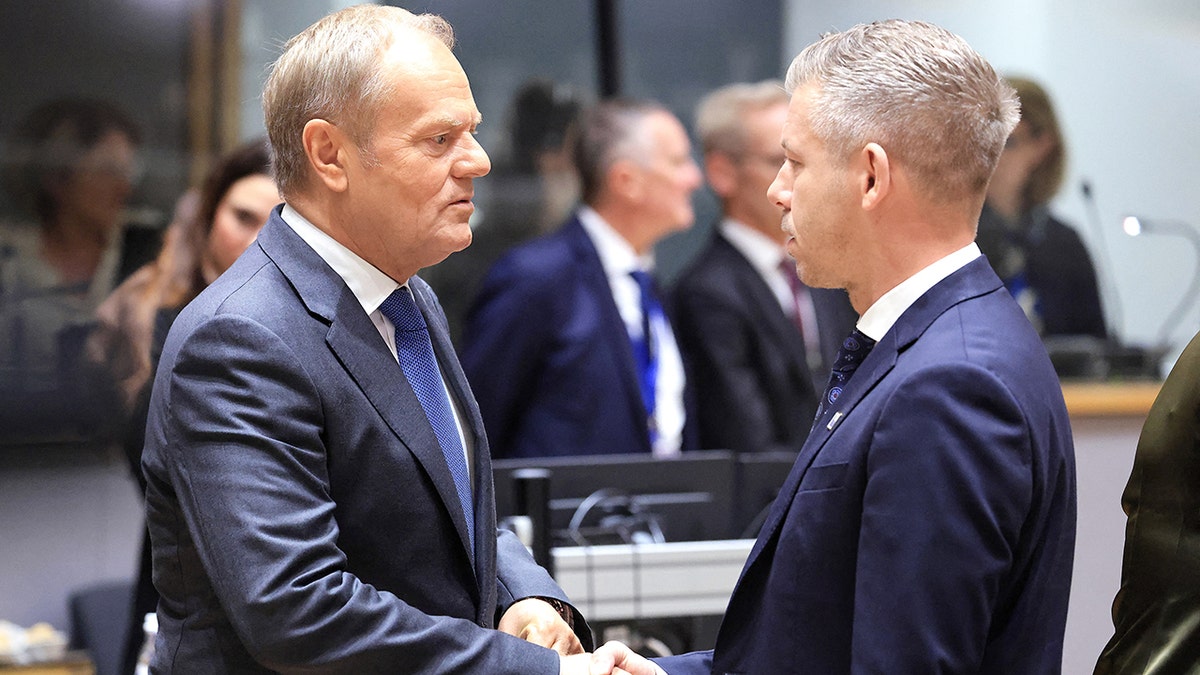
“Europe can count on Hungary,” stated Hungarian Prime Minister Péter Magyar. “In the face of this senseless destruction, our strict approach to migration is justified.”
Polish Prime Minister Donald Tusk echoed these sentiments: “Poland will not repeat the mistakes of other European countries,” reinforcing their tough border policies.
Sweden-based political scientist Daniel Schatz explained that events in France serve as a political tool across Europe. Leaders emphasize their migration policies to voters by highlighting the chaos in other countries.
Eurostat crime figures show France had 304,900 recorded offenses in 2024. This is among the highest in the EU. Italy had 142,600, in contrast to Poland’s 57,300 and Hungary’s 28,600. These statistics underscore the different crime landscapes across these nations.
Immigration and integration have become hot topics in Central and Eastern Europe. Boštjan Udovič from the University of Ljubljana connected the riots to these issues. Magyar’s and Tusk’s responses highlight differing perspectives on migration within the EU.
Prime Minister Magyar recently commented on the European Council summit, noting a shift away from permissive migration policies. Tusk is also positioning his party in Poland’s upcoming election with a tough stance on immigration. This aligns with the broader political narrative in Central Europe.
Á. Félix Debrenti from the Hungarian Atlantic Council mentioned how strict immigration policies have broad support in Hungary. Magyar’s firm stance on migration diverts attention from domestic issues and taps into national consensus.
Recent protests in France have spurred European leaders to make decisive statements. Magyar emphasized the distinction between lawful protest and criminal acts. “Peaceful protest is a fundamental right; vandalism is a crime,” he affirmed.
Tyler Speicher is an American journalist based in Slovenia with over 25 years of experience, including work on the Fox News Channel assignment desk.