
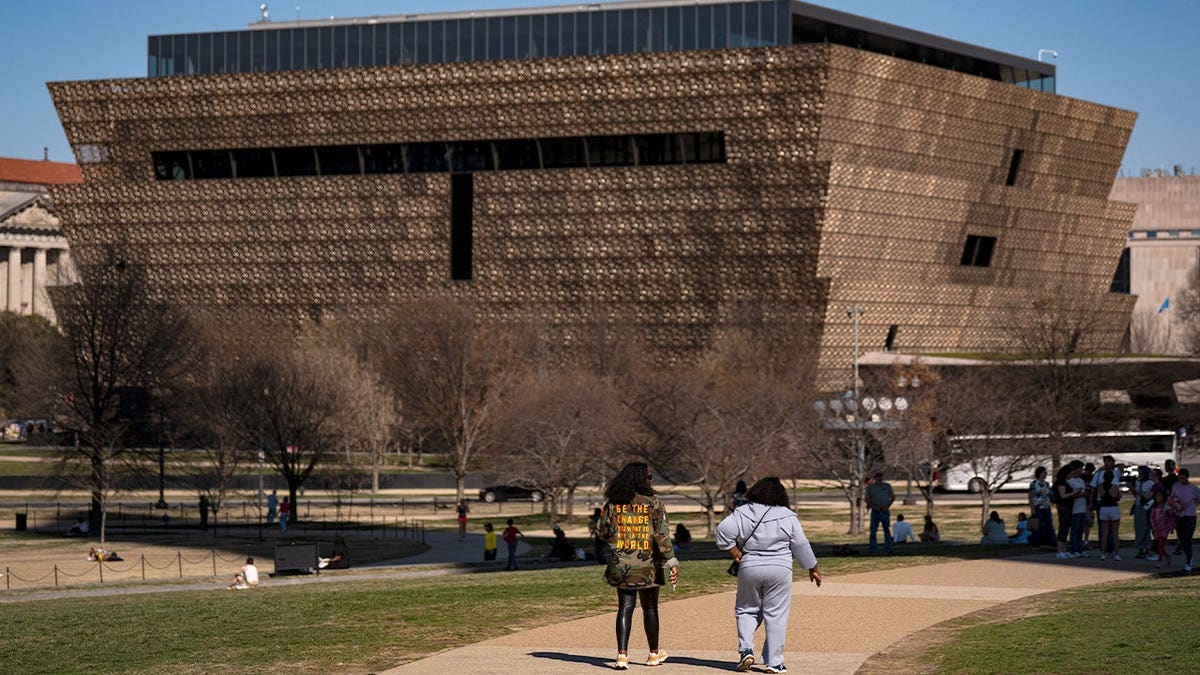
Fox News has reported on a controversy involving Black conservative filmmaker Eli Steele and the Smithsonian’s National Museum of African American History and Culture. Steele’s documentary, White Guilt, questions progressive views on race and has not yet secured a public screening at the museum, which has previously showcased films examining systemic racism.
The documentary, co-produced by Steele, is based on a book by his father, Shelby Steele, a notable Black conservative academic. Eli Steele, who is Black, Jewish, and deaf, uses his experiences to challenge prevalent ideas on race and identity. The film argues that White guilt over America’s racial history and fears of being labeled racist lead institutions to prioritize racial identity over individual merit.
This situation unfolds as the Smithsonian faces pressure from President Donald Trump and his administration over accusations of ideological bias in its representation of American history. The White House has accused the institution of promoting progressive narratives, threatening to restrict federal funding if ideological balance is not addressed.
According to communications reviewed by Fox News Digital, the museum declined Steele’s proposed screening dates, offering a private rental option instead. Steele expressed confusion about the museum’s approach, questioning whether only certain perspectives are welcomed at the Smithsonian.
“The film is professionally shot, the quality is there,” Steele told Fox News Digital.
The NMAAHC, located in Washington, D.C., has previously hosted public screenings of documentaries like 13th, which argues the 13th Amendment allowed racial control to persist post-slavery. Other publicly screened films include Hidden Figures and I Am Not Your Negro.
The North American Values Institute is urging the museum to reconsider its stance on educational retreats and controversial workshops, sparking further debates on ideological representation.
Some Black conservatives, like Carol Swain, perceive the museum’s actions as symptomatic of a broader exclusion of conservative views in academia and cultural institutions. Swain asserts these institutions should reflect diverse perspectives as they represent all Americans.
Similarly, Jason Riley of the Wall Street Journal argues that the museum’s leadership is entrenched in liberal ideologies and demands ideological uniformity.
The White House’s dispute with the Smithsonian reflects a larger quest to present a more balanced portrayal of U.S. history in federally funded institutions.
Riley further explained that showcasing the film could challenge White progressives’ assumptions about race and potentially suggest that current racial policies might not benefit Black communities as intended.
While the Smithsonian has yet to publicly respond to Eli Steele’s request for a public screening, the filmmaker remains committed to having his documentary viewed at the museum, given its relevance to Black history and identity discourse.