
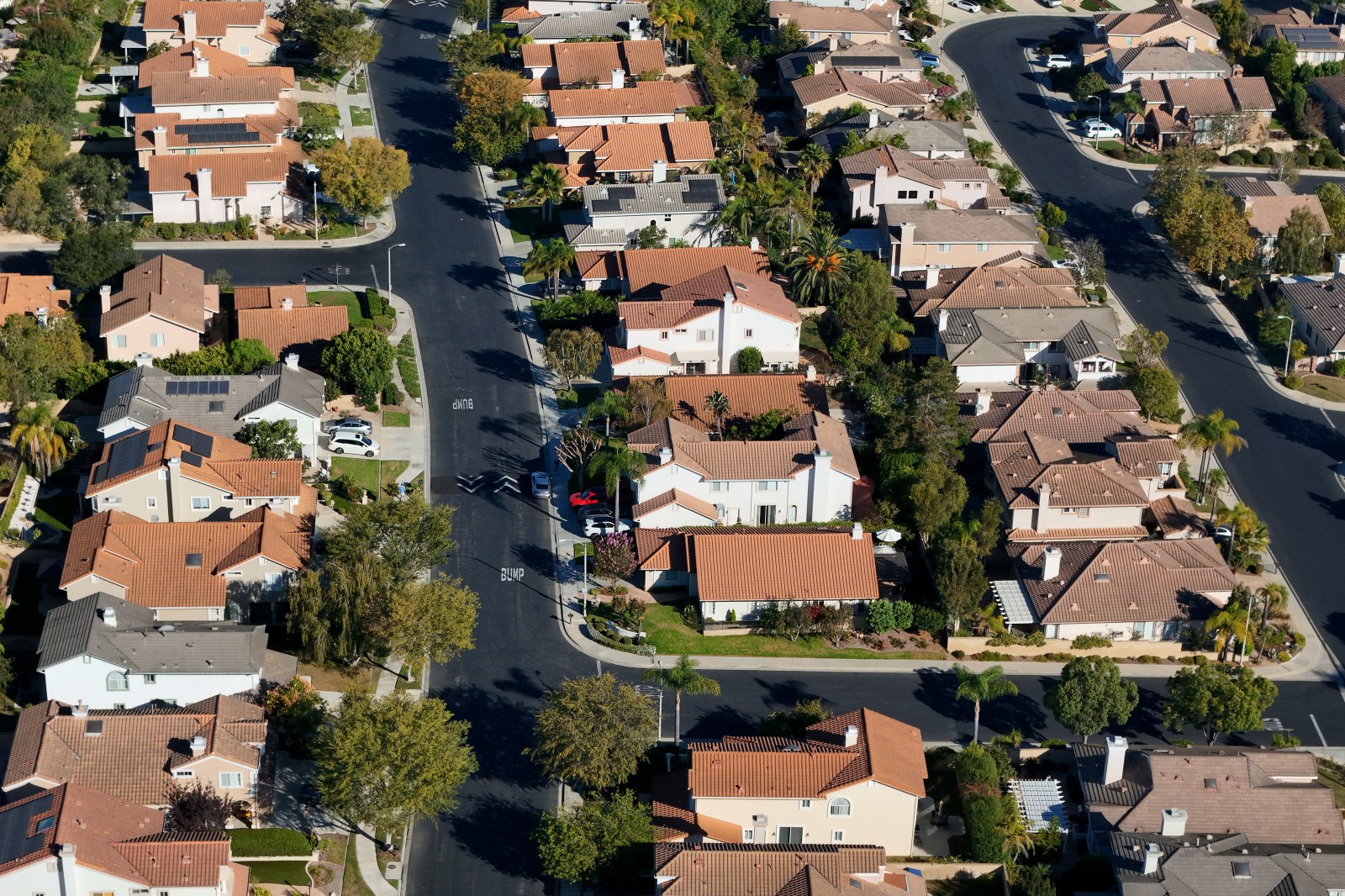
Americans are increasingly choosing riskier home loans offering lower rates. Recent data points to a trend of navigating an unaffordable housing market. Adjustable-rate mortgages (ARMs) comprised 8% of borrowers last week, according to the Mortgage Bankers Association’s Weekly Mortgage Applications Survey for the week ending August 28. This marks the highest level in five weeks, reported by Mike Fratantoni, MBA senior vice president and chief economist.
Understanding Adjustable-Rate Mortgages
ARMs present a fixed interest rate for a set period, up to ten years. Post this period, rates change periodically based on market benchmarks or a lender-set percentage. These loans offer initial convenience but pose increased risk compared to fixed-rate mortgages as future rates fluctuate.
Motivation Behind Choosing Riskier Loans
Joel Berner, a senior economist at Realtor.com, notes that the demand for riskier loans indicates an eagerness to buy amid affordability constraints. Since the onset of the conflict in Iran in late February, mortgage rates have risen from under 6% to 6.71%, adding to affordability challenges. A slightly lower rate can mean the difference between affording or not affording a monthly payment for buyers at the margin, Berner explained to Newsweek.
As of September 3, the national average for a 30-year fixed-rate mortgage was 6.71%, reported by Freddie Mac. This is a 0.05 percentage point increase from the previous week and up by 0.21 from a year earlier. The 15-year fixed-rate mortgage averaged 6.04%, increasing by 0.44 percentage points over the past year.
Additionally, home prices have been on the rise. According to Redfin, the national median sale price of a typical U.S. home in July was $407,730, reflecting a 3.2% increase from the previous year.
Increased Interest in ARMs vs. Conventional Mortgages
This interest in ARMs occurs amid tepid demand for traditional mortgages. The MBA noted a 0.8% rise in total mortgage application volume last week compared to the previous week.
ARMs make sense for buyers not planning long-term residence in their home,”
Berner stated. ARMs offer lower initial interest rates than traditional 30-year fixed mortgages, leading to reduced monthly payments during the fixed period. The risk arises when rates reset and potentially increase. However, for those planning to sell, relocate, or refinance before the adjustment period, this risk may never materialize.
Potential Implications of Risky Mortgages
Berner asserted the risk of rates rising against ARM buyers is real, though it does not suggest low creditworthiness among today’s buyers. This differs significantly from the subprime mortgage crisis. The increase in risky loans reflects attempts to stretch a dollar amid higher rates and inflation, not current distress.
U.S. lending regulations instituted post-Global Financial Crisis remain in effect to prevent another crash like 2008. Experts describe the current housing market as “cold,” with long-term affordability issues slowing demand amid economic uncertainty linked to Middle Eastern conflicts.
A cool market and a crashing market are different scenarios,
Berner stated. While concerns exist, a market crash remains unlikely given current circumstances. Barring unexpected major events, voluntary selling should stabilize, absorbing new inventory without oversupply impacts.
Future Outlook for ARM Borrowers
While ARMs offer clear benefits, risks are attached. Rate increases after purchasing an ARM could pose a risk to homeowners, potentially leading to delinquency if payments exceed affordability. Market conditions could soften prices if individual risks become prevalent, though the risk of structural crashes in the housing or overall economic market remains low.
Contact Newsweek editors on this story: Matthew Robinson and Trevor Davies.