
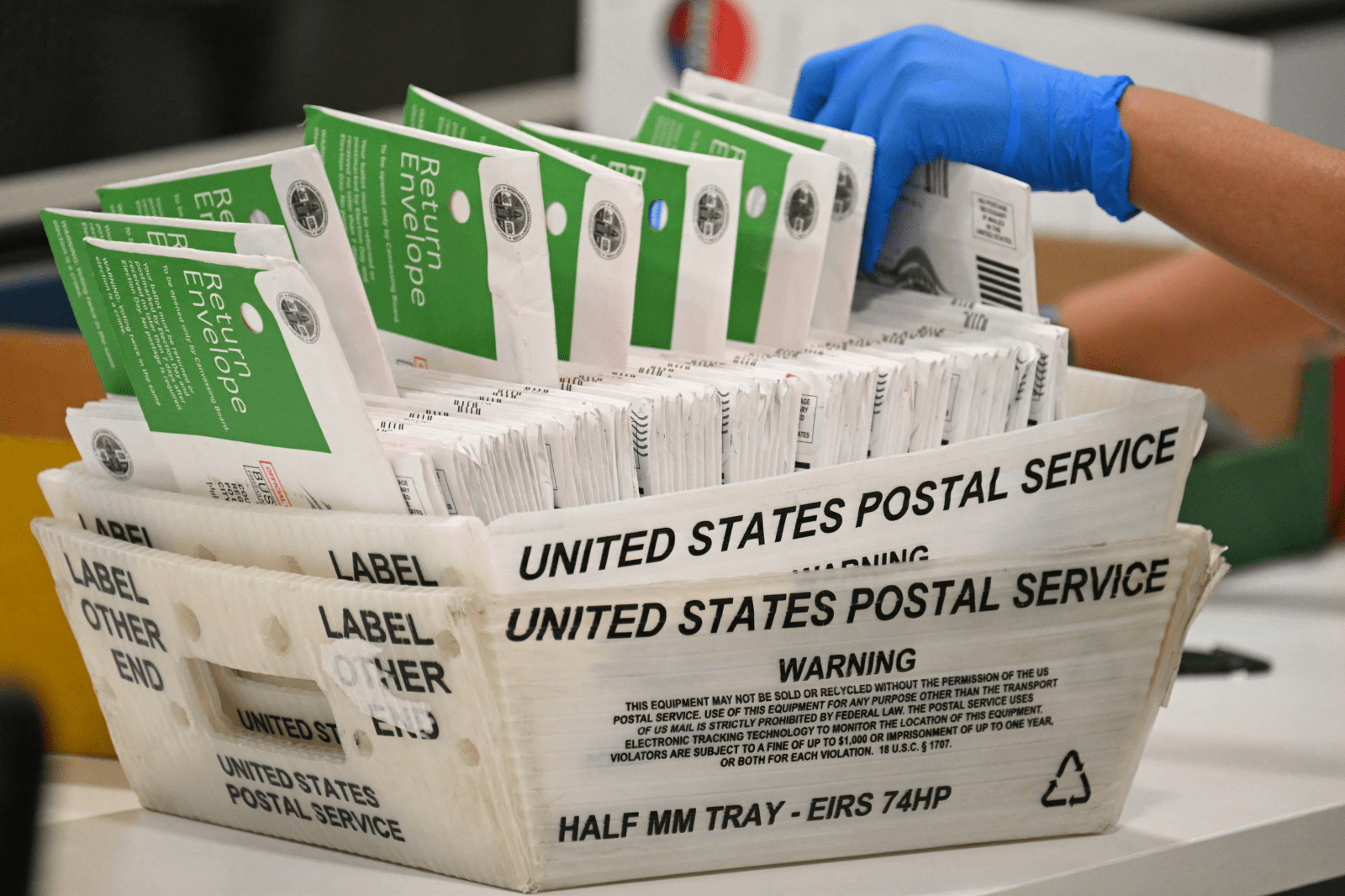
The Trump administration has requested the Supreme Court to reinstate new postal restrictions on mail ballots. This move could require election officials to alter existing systems as voting is underway. The administration claims that changes are necessary to safeguard election integrity, while critics warn about potential disruptions in states where mail ballots are commonly used.
Details of the Proposed Changes
The plan involves using USPS-approved voting envelopes with unique bar codes and requiring voter information through a federal system before ballots are mailed. USPS indicated it is completing the Federal Ballot Mail Portal and plans to let election officials voluntarily familiarize themselves with the platform, aimed at managing election mail ‘securely, reliably, and efficiently.’
USPS noted its consistent adherence to court orders under the temporary restraining order, stating, ‘verification procedures prior to acceptance are not being performed.’ The agency emphasized its commitment to transparency, accountability, and cooperation with election officials, Congress, the judiciary, and other stakeholders.
Supreme Court’s Role and Implications
On September 3, the Trump administration asked the Supreme Court to lift a lower-court block preventing enforcement of significant provisions before the November election. A swift decision would be crucial with the 2026 midterms involving pivotal contests in states with substantial mail voting.
Newsweek has identified eight key races in Arizona, Nevada, Colorado, and California where mail voting holds significant political influence. Public opinion and prediction market data suggest a Democratic advantage in most of these races, posing administrative challenges rather than immediate partisan shifts.
Why It Matters
Supporters argue the rule aids in tracking and enforcing federal law, whereas critics say the executive branch oversteps by imposing election administration changes on states. A federal judge has temporarily blocked the provisions pending a longer injunction.
Implementation Challenges
The final USPS rule, published on August 26, allows officials to provide voter information through a federal portal and empowers USPS to reject noncompliant mailings, impacting states where mail voting is prevalent.
For instance, in the 2024 election, 74.7% of Arizona voters and 44.1% of Nevada voters cast mail ballots. Given these statistics, several midterm races in these regions could be affected. Newsweek contacted the mentioned campaigns and the Justice Department for comments.
Highlighted Races and Potential Impact
- Arizona Governor: Democrat Katie Hobbs faces Republican Andy Biggs, with polls showing Hobbs leading. However, changes in mail ballot procedures could influence campaign strategies and administrative operations.
- Arizona’s 1st Congressional District: Democrat Amish Shah and Republican Jay Feely compete in a Toss-up race. Adjustments in mail voting processes could intensify scrutiny of this contest.
- Nevada Governor: Republican Joe Lombardo and Democrat Aaron Ford face a tight race, with Lombardo currently favored by prediction markets. Mail voting changes could impact ballot administration throughout Nevada.
- California’s 22nd Congressional District: Republican David Valadao runs against Democrat Randy Villegas in a Toss-up race where mail-in voting is standard. Last-minute postal requirements could significantly affect such closely contested districts.
Other races in Colorado’s 8th, Nevada’s 3rd and 4th, and Arizona’s 6th congressional districts are subject to their unique dynamics, but changes in mail voting procedures could have overarching effects.
Supreme Court’s Pending Decision
The administration has a procedural precedent as six justices formerly lifted an injunction against Trump’s executive order. However, they did not rule on subsequent implementation measures.
Now, with USPS’s finalized rule, states contest the portal’s readiness and argue against immediate implementation. The Supreme Court could uphold or modify the order, and timing remains crucial to avoid voter impact.
As election offices face constraints in adapting systems, the decision’s timing is as pivotal as its content, affecting the administration and functioning of mail voting.
Update: The story was updated with USPS’s comments. Editors involved: Alfred Joyner and Cristina Diciu.