
Exploring Organoids to Study Autism
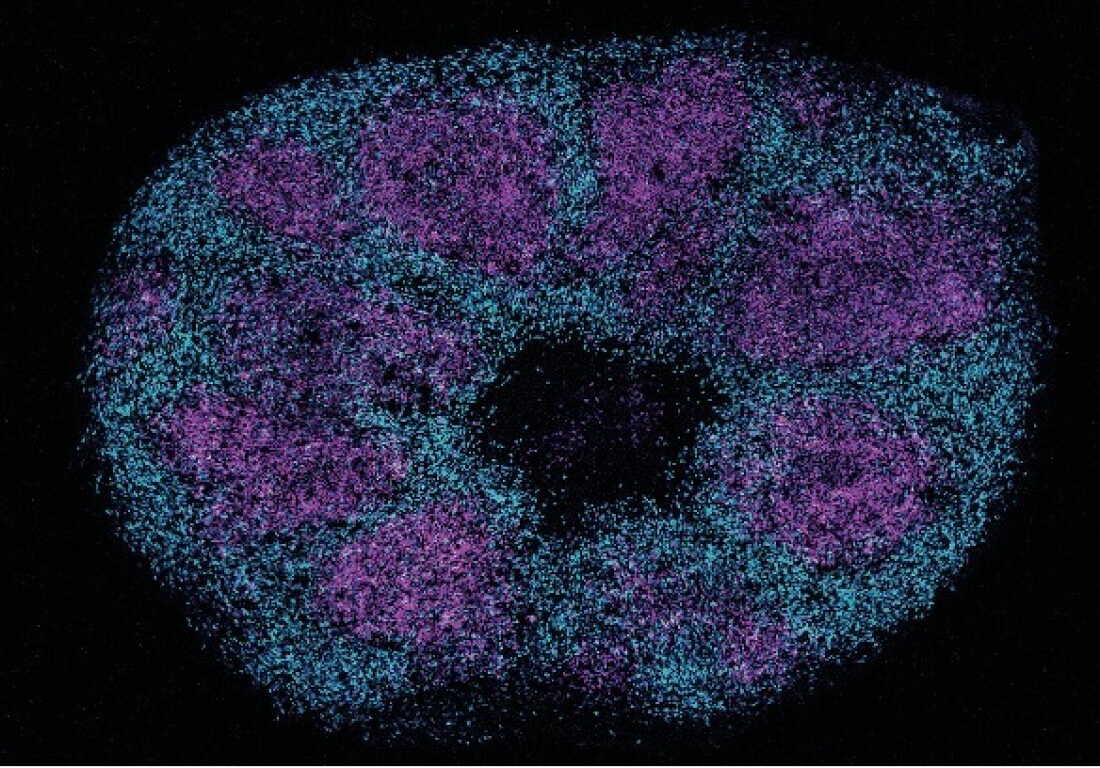
Organoids are lab-grown tissues that mimic the human brain. Recent studies have used these organoids to explore protein interactions linked to profound autism. The UCSF Quantitative Biosciences Institute has provided valuable insights into these interactions.
Mapping Protein Interactions
Scientists have identified how gene mutations might lead to profound autism. By mapping over a thousand protein interactions associated with autism risk genes, researchers from UC San Francisco aim to develop clearer pathways for treatment. This work is documented in the journal Science.
Genetic Discoveries Offer Hope
A significant number of families affected by profound autism hope for drug therapies stemming from these findings. Dr. Daniel Geschwind, a UCLA professor not involved in the study, states that the molecular atlas is a substantial resource for advancing understanding and drug development.
Challenges in Understanding Profound Autism
Individuals with profound autism face severe intellectual disabilities, often requiring continuous care. Past research has identified mutations in specific genes in this group, but transitioning from genetic discoveries to treatment remains difficult, often hitting a research “wall.” Nevan Krogan, director of the UCSF Quantitative Biosciences Institute, acknowledges the challenge of developing effective drugs based on genetic insights.
Innovative Collaboration
The collaboration between Dr. Matthew State, a clinical psychiatrist, and Nevan Krogan has been crucial. Using new technologies to examine protein interactions, they have bridged a significant knowledge gap concerning the proteins encoded by autism-risk genes.
Understanding Protein Functions
Proteins, complex molecules derived from genetic instructions, form the body’s foundation. The recent research identifies protein interactions linked to autism, revealing the “machinery of life” necessary for understanding the condition.
Advancing Genetic Research
The study employed artificial intelligence to speed up protein interaction analysis. This process identified how mutations alter protein functions, using organoids and frog models as experimental platforms.
Molecular Pathways and Convergence
The study mapped thousands of protein interactions. Researchers observed that many proteins followed common pathways, especially those critical to early brain development.
Future Drug Development
Although developing drugs from these findings will take time, mapping protein interactions has laid a foundation for potential treatments. Dr. Geschwind emphasizes that the map offers a direct path to drug development, leveraging knowledge comparable to cancer treatments.
Grant Supports Ongoing Research
The Quantitative Biosciences Institute received a significant grant to explore next steps, with philanthropist Sergey Brin supporting this endeavor. Integrating technology advancements, researchers aim to accelerate progress in drug development.