
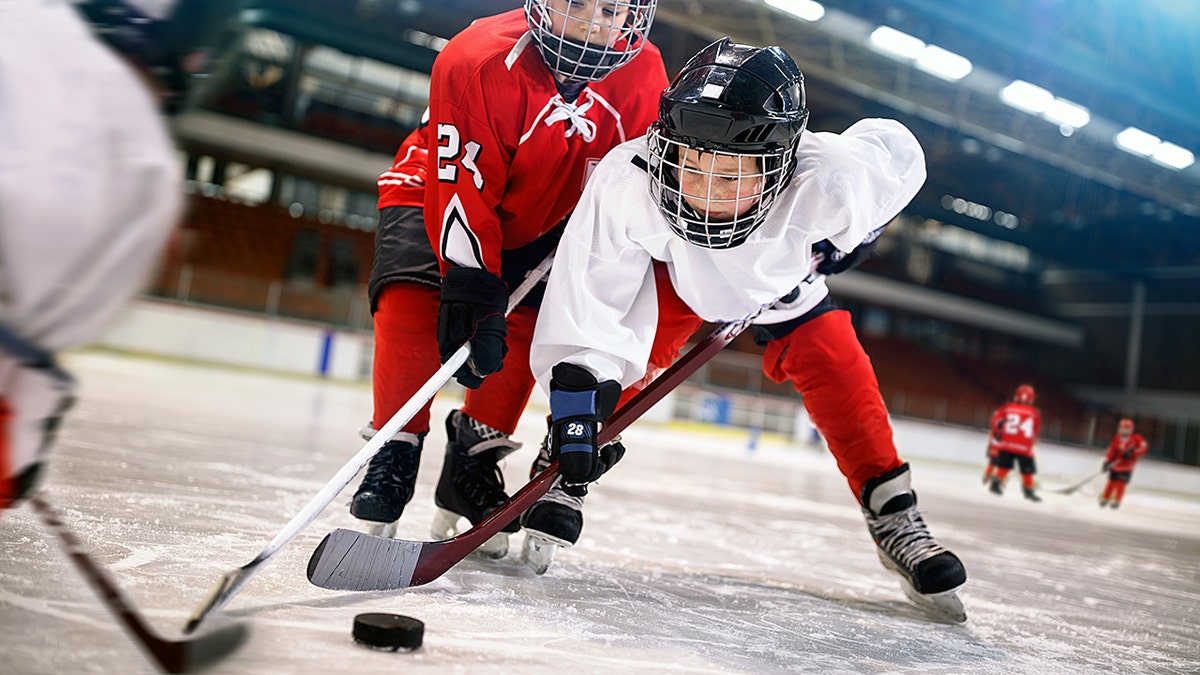
The fall youth sports season is in full swing, yet many parents have already scheduled practices, private coaching, and travel tournaments for their children. These parents have good intentions, seeking to provide every opportunity for success. However, there is an increasing trend of overlooking the primary goals of youth sports, risking children’s health and well-being.
Pediatrician groups emphasize the importance of adequate recess time for children, highlighting its benefits.
As someone who played sports growing up and whose children now participate, I understand the passion for youth sports. My experiences as an orthopedic surgeon with the New York Mets show that the current American approach to youth sports can often lead to burnout and heightened injury risk.
Many parents and coaches view youth sports as a direct path to success, pushing children toward championships, scholarships, or professional careers. This push can be detrimental as children’s bodies and movement patterns are still developing. Their training and recovery must cater to their biological growth.
Unfortunately, the demands on these young athletes keep growing. More games, repetitions, and competitive pressure with inadequate recovery times are common. I have seen firsthand the consequences in the operating room.
Consider that approximately 1% of girls playing soccer face an ACL injury each season. The risk escalates when specialization occurs early, with a girl playing soccer year-round during high school facing a 16% cumulative risk of an ACL tear.
Such injuries not only shorten a person’s ‘playspan’ but also lead to long-term issues like arthritis and disability. These effects can limit participation in recreational sports and community activities in adulthood. Understanding the lifelong benefits of movement, we must aim to extend a child’s ‘playspan’ rather than shorten it through excessive focus on youth sports.
Burnout also affects playspan. When children associate sports with pressure instead of enjoyment, they might avoid physical activities as adults.
Countries like Norway have adopted different philosophies for youth sports. Their approach, focusing on broad participation rather than early specialization, has resulted in successes like Erling Haaland, who thrived without sacrificing enjoyment. In Haaland’s youth club, a striking number of his peers continue playing into adulthood.
This model contrasts with the U.S., where children often leave sports by middle school due to lack of enjoyment.
A system prioritizing lifetime playspan would encourage varied sports participation and foundational skill development before specialization. It would emphasize running, jumping, and balance over constant competition, recognizing that children develop at different rates. Such a system would allow for rest and the simple joy of playing.
If some children earn scholarships or turn professional, that’s excellent. But the true success of youth sports lies in cultivating lifelong athletes.
Andrew D. Pearle, MD, serves as the chief emeritus of the Sports Medicine Institute at Hospital for Special Surgery.