
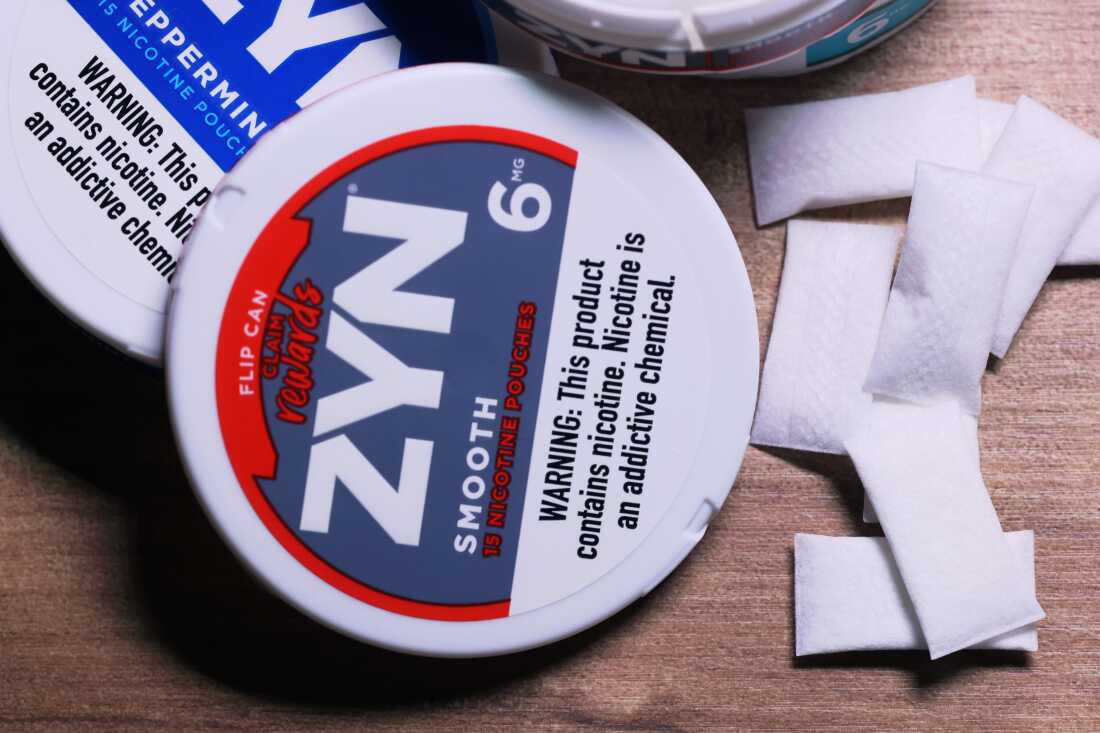
The FDA recently permitted the marketing of some Zyn nicotine pouches as a ‘lower risk’ alternative to cigarettes. These pouches come in flavors like ‘Cool Mint,’ ‘Smooth,’ and ‘Chill.’ They are small enough to use discreetly and are known to be addictive.
Zyn is one of the leading brands of nicotine pouches. The FDA’s authorization allows them to claim: ‘Using Zyn instead of cigarettes puts you at a lower risk of mouth cancer, heart disease, lung cancer, stroke, emphysema, and chronic bronchitis.’ According to Bret Koplow, acting director of the FDA’s Center for Tobacco Products, this decision aims to provide adult users with science-based information on the harms of tobacco products.
Some health researchers consider Zyn a safer alternative to cigarettes, potentially reducing the 480,000 U.S. deaths linked to tobacco each year. However, others worry it might lead to riskier nicotine habits, particularly among the youth.
The Potential Benefits of Zyn
Nicotine, commonly derived from the tobacco plant, is sometimes lab-created for certain products. Advocates highlight that nicotine pouches are safer than tobacco products involving combustion. Mitch Zeller, a professor and former director at the FDA’s Center for Tobacco Products, states that these pouches pose significantly fewer risks than smoking tobacco.
Brian Erkkila, director of external affairs at Zyn’s parent company, Philip Morris International, shared his personal experience of quitting cigarettes thanks to Zyn. Nonetheless, he acknowledges that nicotine is addictive and not without risk.
Stanford University’s Bonnie Halpern-Felsher notes the harm reduction potential of nicotine pouches for current smokers. However, she warns of potential health risks, including heart issues and dental problems. The long-term effects on oral cancer remain uncertain.
Concerns Over Marketing and Youth Use
Dr. Robert Jackler, a Stanford University professor emeritus, points out that nicotine pouches, like Zyn, aren’t recognized cessation tools. He highlights their marketing strategies, which associate Zyn with active lifestyles and flavors that enhance appeal. Erkkila assures responsible marketing aimed only at adults, noting the presence of various nicotine doses in their products.
Philip Morris International believes flavored products aid adult smokers in trying and transitioning to Zyn. Yet experts, including Mary Hrywna from Rutgers School of Public Health, stress that these products are inappropriate for children.
From 2024 to 2025, the Monitoring the Future study showed an increase in 12th graders trying nicotine pouches, raising concern among experts. Emily Hilliard from the Department of Health and Human Services emphasized the FDA’s dedication to preventing youth access to tobacco products.
Halpern-Felsher suggests parents discuss the risks of nicotine pouches with their children. Hrywna underscores that nicotine impacts brain development and advises against adolescent use due to the lack of health benefits.
Dr. Jackler, having observed complications from nicotine use in patients, advises against starting the habit, noting the potential for significant suffering.