
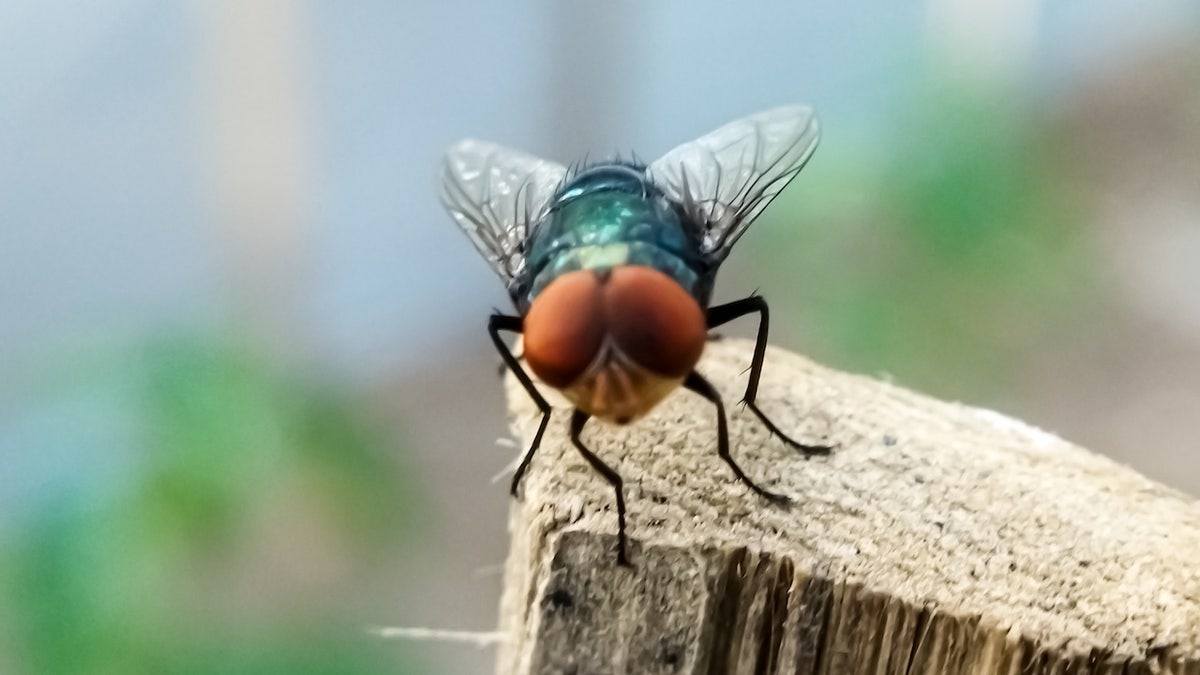
The reemergence of the New World screwworm, a flesh-eating parasite eradicated from the U.S. in the 1960s, has sparked concerns regarding its potential impact on the nation’s food supply. Despite the alarming nature of the parasite, experts confirm that it does not pose a threat to food on our tables.
Screwworm and Food Safety
Unlike common foodborne threats like norovirus, E. coli, and salmonella, the screwworm is an animal-related issue, not a foodborne pathogen concern. Dr. Aaron Glatt, chief of infectious diseases at Mount Sinai South Nassau Hospital, emphasized this point, stating, “The U.S. food supply is not compromised by New World screwworm, which is an animal issue, but not a foodborne pathogen issue.” The parasite dies during standard meat processing and cooking.
Recent Outbreaks
The screwworm, native to South America and the Caribbean, migrated north following outbreaks in Panama and Costa Rica in 2023. On June 3, U.S. officials confirmed a screwworm case in a calf in Texas, marking the first U.S. detection since eradication in the 1960s. The USDA has since reported 33 infections across Texas and New Mexico in animals, including cattle, goats, and a pet dog.
Ensuring Food Safety
Animal health is crucial for food safety. Regulatory agencies routinely test the U.S. milk and food supply. The USDA ensures meat safety by inspecting animals pre- and post-slaughter. Any signs of illness prevent the animal from entering the food supply, and suspicious cases are thoroughly examined.
Transmission and Effects
Screwworms infect warm-blooded animals, primarily livestock, wildlife, and pets. Human infection is rare. The parasite spreads when a female fly lays eggs in a wound, with the eggs hatching into maggots that feed on the wound. These maggots eventually mature into adult flies.
“It spreads only when an NWS fly lays eggs in a wound, not through meat, poultry or dairy products,” the USDA stated. According to Dr. Bobbi Pritt from the Mayo Clinic, “People do not catch screwworm from other people, and they do not become infected by eating meat.”
Prevention and Combat Strategies
The USDA employs the sterile insect technique to counteract outbreaks, using sterile male flies to reduce populations by curbing reproduction. The agency is also expanding efforts with major investments in fly production facilities in Mexico and Texas.
Identifying and Treating Infections
Human infection symptoms include non-healing wounds with pain, redness, and visible larvae. Professional medical intervention is essential to manage infections effectively. The CDC advises keeping wounds covered and using insect repellent to prevent exposure.
Environmental considerations are crucial, as climate change may expand the areas survivable by the screwworm. Experts urge ongoing vigilance and strategic interventions to manage the pest.