
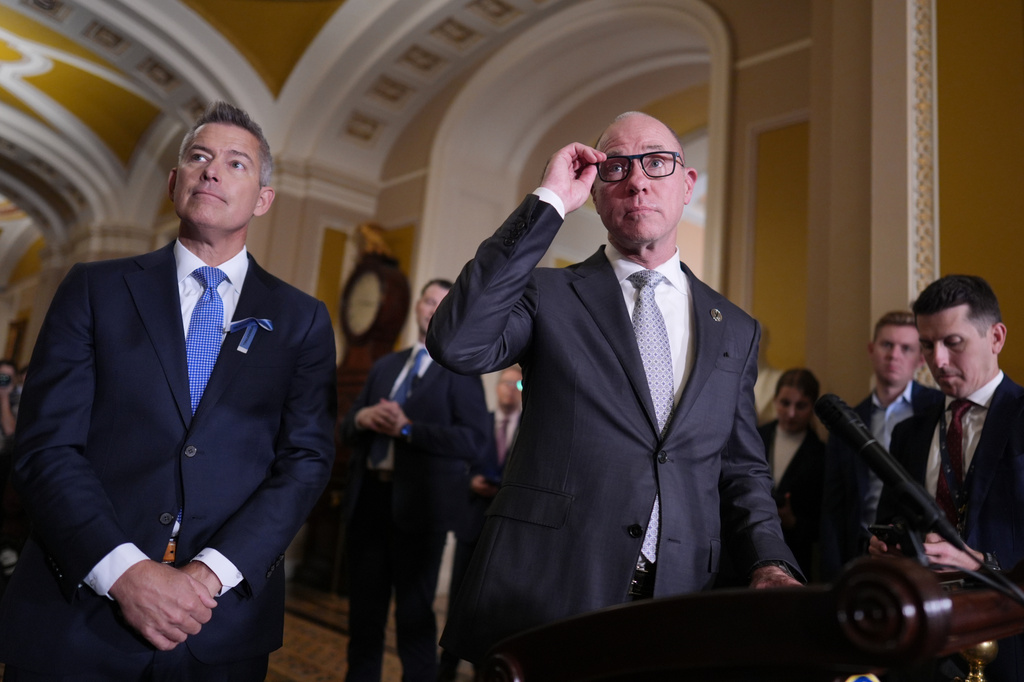
On November 17, 2026, Transportation Secretary Sean Duffy and FAA Administrator Bryan Bedford addressed reporters about significant service disruptions. Within five days, America saw outages in crucial systems. Microsoft 365 experienced a disruption affecting emails and collaboration tools. The FAA halted flights due to issues with its telecommunications network. Shortly after, Chase customers couldn’t access their banking. None of these disruptions have been linked to cyberattacks.
Microsoft found no evidence of an attack. Chase reported their issues were not cyber-related. The FAA stated that investigations continue, but actions at a remote radio site might be a cause. Federal officials see no connections between the incidents, nor the involvement of adversaries. This should be concerning.
Over two decades, significant resources have been spent on cybersecurity. Multiple layers of security exist to ward off external threats. However, reports suggest two of these outages began during planned routine maintenance activities. Equipment upgrades may have inadvertently caused disruptions.
I spent 23 years in FAA air traffic control, eventually managing operations. Since 2006, I have been involved in safety risk management, helping evaluate the impact of organizational changes. Often, confusion over responsibility for changes leads to difficulties.
The FAA revealed work at a remote site involving new router deployment might be linked to the problem, though the cause remains under investigation. Microsoft attributed its issue to a network capacity upgrade, which exposed a latent server defect under certain conditions. Both suggest routine work uncovered flaws unintentionally.
Technical defenses such as firewalls and security centers cannot prevent poor timing in maintenance or improper approval processes. These concerns are managerial, not technological.
Aviation follows strict protocols. Any change requires a risk acceptance signature from management, recorded formally. Federal bank examiners also have processes for change control. On paper, these processes are clear but accountability must be enforced in practice.
The FAA described the router replacement as routine. Routine actions can become dangerous if complacency allows potential risks to be overlooked. Procedures for risk assessment must be thoroughly executed.
Reports suggested an FAA official supervised the contractor’s work on November 13, vetted it, and approved it just before a halt in flight operations. It’s uncertain whether full risk acceptance was accounted for or if testing examined potential live network effects.
Congress promised to oversee the FAA’s process in this matter. The same scrutiny should extend to Microsoft and Chase. Questions about what changes occurred, who approved them, and what tests validated them should be posed to all parties involved. These inquiries focus on leadership, not technology.
Microsoft has issued a post-incident report to its customers. Comparable transparency is expected from the FAA and Chase. Effective communication is crucial for customer, passenger, and regulatory clarity.
Increased funding or new technology alone cannot resolve the problem. Future disruptions might arise without any adversarial intent, simply from unmonitored work orders leading to unintended results.
Vincent E. Bianco III, a principal consultant of Marivin Consulting Services LLC, spent 23 years in FAA air traffic control, retiring as an air traffic manager.