
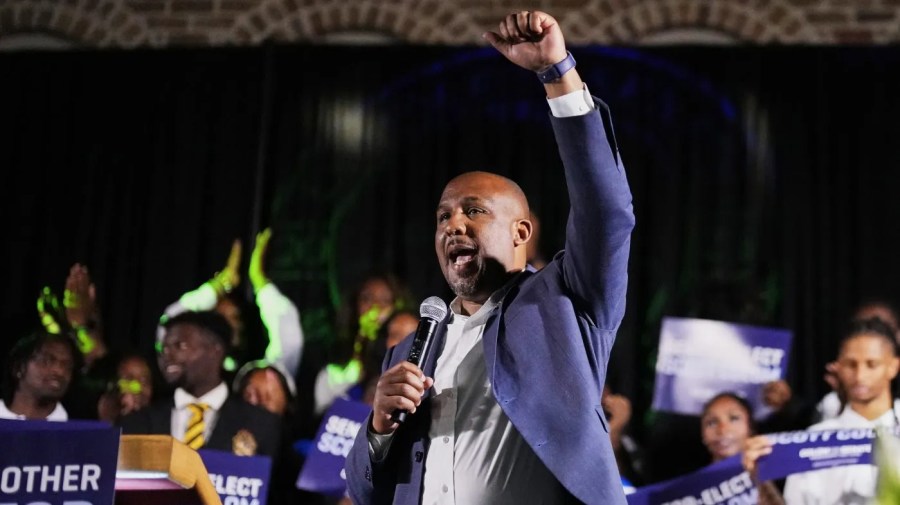
Newly elected House Democrats are setting ambitious goals to reshape Congress. Since their recent election, they aim to tackle major issues. Priorities include reversing Medicaid cuts and banning stock trading for Congress members. This comes as part of the largest Democratic majority in years.
The freshmen Democrats come from diverse backgrounds. Their experiences range from smokejumping to serving as mayors and emergency nurses. They seek to make Washington, D.C., reflect the people who elected them. Bipartisanship is a key focus.
I want to see more working people in Congress. It’s too rare to see someone from a working-class background here, and that affects representation.– Rep.-elect Sam Forstag (D-Mont.), a former smokejumper.
Historical Majority
The Democrats are entering their largest majority since 2008, holding at least 257 seats. This could rival numbers not seen since the 1990s. In 1992, Democrats had 258 seats, and in 1990, 267 seats were held by the party.
Working-Class Representation
Despite making up more than half of the American workforce, working-class people hold just 2% of congressional seats. A 2014 report showed that most Congress members were millionaires. Currently, about three-quarters of senators reach that financial level. However, the new Congress sees more representation by 17 union members who recently won their races.
Running for office is a significant undertaking. For working-class individuals, the financial risks are a major barrier. It’s difficult for them to leave jobs, manage finances, and campaign. This leads to a skewed representation favoring wealthier candidates.
Challenges in Representation
Rep.-elect Cyril Jefferson (D-N.C.) highlighted existing challenges, noting how housing and transportation are not government-covered during campaigns. Personal finances become a significant concern.
You have to pay for personal expenses. Until changes happen, it’s hard to ensure government is truly representative of common people.
Efforts to Improve Representation
Groups like the New Jersey AFL-CIO’s “Labor Candidates School” are providing tools for working-class candidates. Proposals such as seed money, scholarships, and reserved seats for working-class individuals have been suggested.
This election’s candidates are historically diverse. A record of 155 women will serve in Congress, making up nearly a third of the total. Firsts include a Muslim American senator, a Native American woman senator, and three Black women simultaneously serving in the Senate.
Future Plans
Freshmen Democrats, such as Rep.-elect Zach Dembo (D-Ky.), look to encourage bipartisanship. Informal bipartisan interactions are part of their initial efforts.
I want more interactions across the aisle. These initial steps are how we can make a difference.
Rep.-elect Matt Little (D-Minn.) emphasizes consistent advocacy between campaign promises and Washington actions. Highlighting that authenticity and avoiding getting caught up in political culture are important.
Conclusion
With these plans, the new House freshmen aim to make a significant impact. Their efforts prioritize increased inclusivity and the representation of a broader segment of the population. The emphasis is on creating a Congress that truly mirrors the nation’s demographics.