
Google’s Insight on AI-Powered Phishing Scams
Halimah Delaine Prado, Google General Counsel, has highlighted a surge in phishing scams fueled by artificial intelligence. These scams reportedly originate from China’s ‘outsider enterprise.’ The criminals use AI to create deceptively realistic fake websites. They often mimic well-known brands like T-Mobile to scam hundreds of thousands of Americans, resulting in millions in losses.
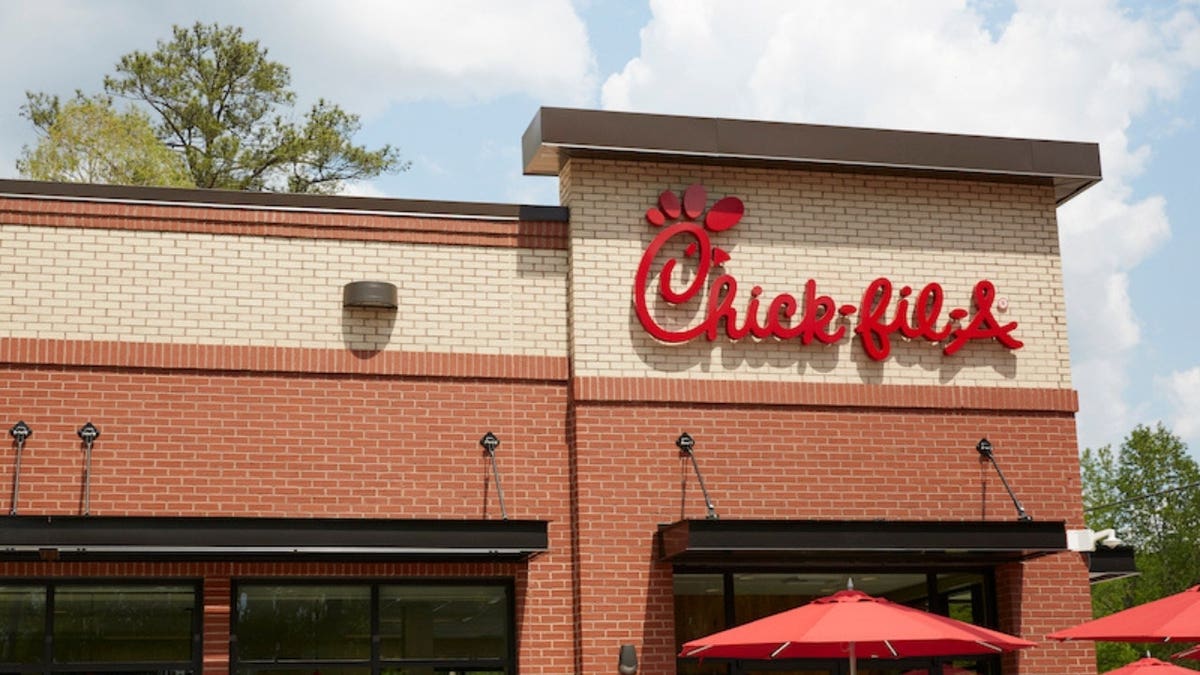
Chick-fil-A Data Breach Details
In a related security incident, Chick-fil-A has alerted customers about a breach affecting some of its loyalty accounts.
Chick-fil-A accounts allow easy food ordering and payment information storage, which makes them attractive targets for hackers.
Chick-fil-A discovered suspicious login activity, traced back to an automated attack targeting its website and app. The breach lasted from June 17 to June 19, 2026. By July 13, unauthorized access to account information was confirmed.
Attackers exploited email addresses and passwords from third-party data breaches. They used these credentials for a ‘credential stuffing’ attack. This tactic takes advantage of users reusing passwords across different sites.
Scope of the Breach
Though Chick-fil-A has not disclosed the total number of affected customers, data indicates that 2,182 residents in Texas and 39 in Massachusetts were impacted. Notifications were sent to residents in several other states including Iowa, New York, and Oregon.
Exposed Information
Exposed data varied but could include customer names, email addresses, membership numbers, and account QR codes. It also might involve the last four digits of linked cards and partial address information. Chick-fil-A hasn’t commented on whether the attackers used any of the accessed QR codes.
Chick-fil-A’s Response
Chick-fil-A responded by logging affected users out, removing saved payment methods, and adding rewards to their accounts.
The company has apologized to its customers, affirming their commitment to address security concerns and maintain trust.
Recurring Issue
This incident is not Chick-fil-A’s first credential stuffing attack. A past attack from December 2022 to February 2023 affected over 71,000 accounts. Such incidents underscore the danger of using the same password across different services.
Preventive Measures
Here’s how you can safeguard yourself following the breach:
- Change Your Password: Update your Chick-fil-A One password with a new, unique one.
- Review Account History: Check for unfamiliar transactions or changes.
- Remove Stored Payment Methods: Ensure no payment methods are currently saved in your app.
- Monitor Financial Statements: Keep an eye on bank statements for unusual activity.
- Beware of Phishing Scams: Be cautious of messages asking for immediate action on your account.
- Enable Antivirus Protection: Protect all devices from potential malware.
- Minimize Online Personal Information: Use data removal services to limit accessible information online.
- Use Multifactor Authentication: Enable this feature on important accounts to boost security.
Key Takeaways
The Chick-fil-A breach illustrates the ripple effect of data leaks. Attackers can re-use stolen credentials across different platforms. While Chick-fil-A has attempted to secure affected accounts, the best defense is to change any reused passwords and remain vigilant for phishing attempts.