
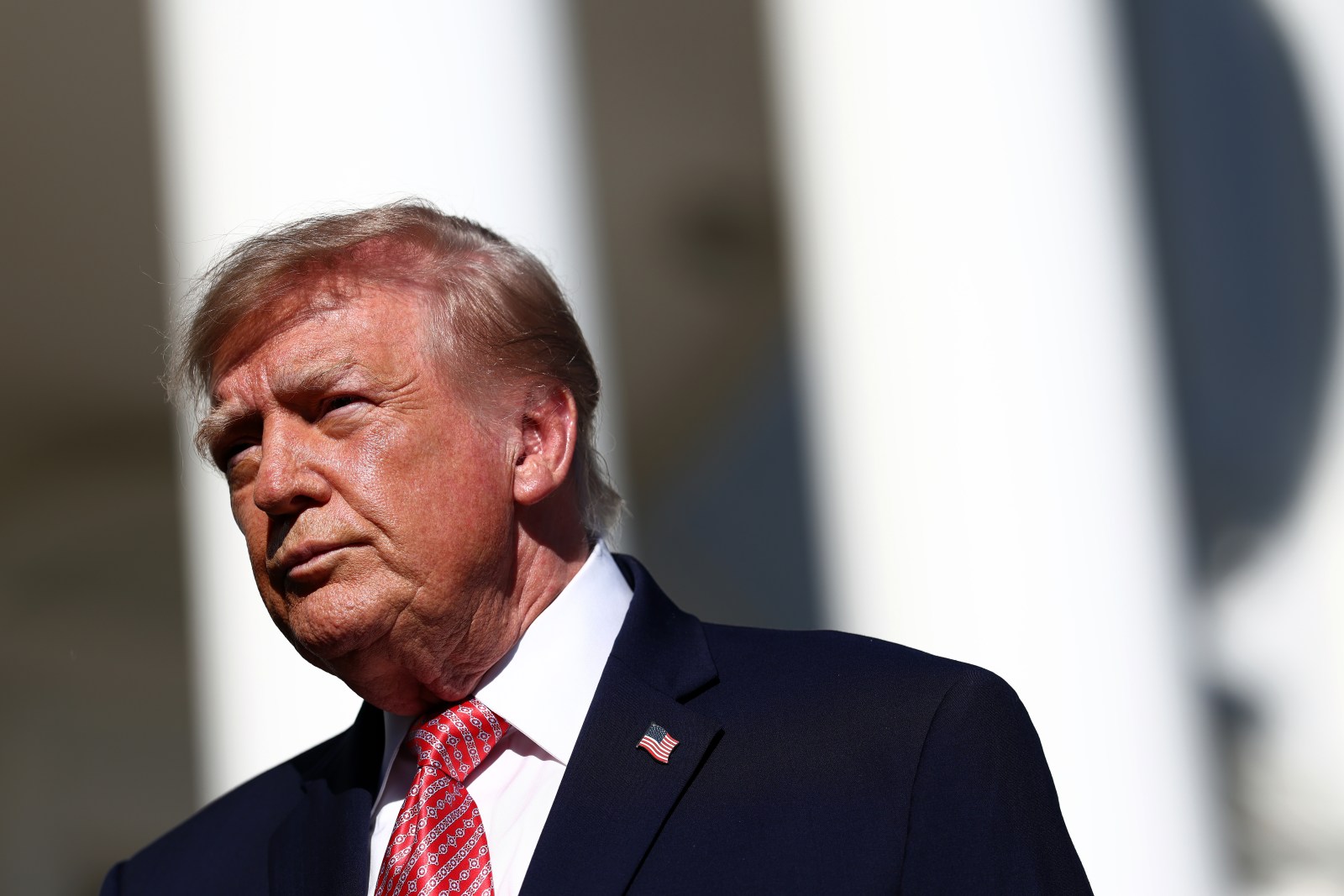
Data shows Republican candidates are largely removing Donald Trump from their campaign ads in the lead-up to this year’s midterms, despite his popularity with the Republican coalition. In recent conversations, Trump urged his supporters to act as if he were on the ballot, yet advertising firm AdImpact reveals his mention in GOP ads is now minimal. Currently, he appears in only 1 percent of ads, a significant drop from 47 percent in May. Conversely, Democratic ads are increasingly mentioning him, with his appearance in 21 percent of their recent broadcasts.
Polls indicate Trump’s approval ratings with voters remain low, prompting GOP candidates, especially those in tight races, to distance themselves from him. Republican strategist and Lincoln Project co-founder Mike Madrid shared with Newsweek that GOP candidates are eager to separate from Trump but doing so may be insufficient to salvage their campaigns. A White House official maintains Trump remains the leader of the Republican Party, emphasizing zero distance between him and the party’s candidates. Newsweek has requested further comments from the White House.
Shifting Campaign Strategies
AdImpact reports Republican ads mentioning Trump peaked in early May with over 50,000 airings. This count has since dwindled to a few thousand in recent weeks. Democrats have run 637,000 ads during the same time, highlighting Trump more as midterms approach. From September 9 to October 17, Republicans spent $830 million on ads with less than 1 percent mentioning Trump, while Democrats devoted $590 million with 20 percent referencing him. During the primaries, GOP candidates spent the majority of their ad budgets mentioning Trump; the current decline signals a shift in strategy.
An investigative piece by Newsweek in September observed candidates in competitive races removing Trump images and references from their campaign materials, pivoting instead to emphasize issues like affordability and cost of living. A spokesperson for the Republican National Committee criticized this coverage, seeing it as an attempt to fabricate a Republican downfall.
Growing Concerns Among Republicans
There is visible nervousness among Republicans regarding their association with Trump. In leaked audio, Ken Paxton expressed concerns about Trump’s impact on his campaign. Although Paxton later praised Trump’s presidency, his comments highlight internal anxieties. Senator Susan Collins of Maine also distanced herself, stating she wasn’t Trump’s “favorite senator” and mentioning several points of disagreement.
Republican candidates have also spoken out against particular Trump administration policies, such as importing Russian diesel to reduce domestic prices. This difference in stance covers other policies such as the Iran war and tariffs on Canada. Mike Madrid noted that Republicans, from Florida to California, are trying to distance themselves as quickly as possible from Trump’s influence.
Despite these apparent shifts, the White House and Republican Party deny any calculated distancing from Trump as a midterm strategy. White House spokesman Davis Ingle claimed Trump built a strong coalition through the MAGA movement and remains committed to securing Republican majorities in Congress. The administration points to Trump’s U.S. tour, promoting his achievements and supporting Republican candidates as evidence of his continued influence.
Low Approval Ratings Challenge Campaigns
The decrease in Trump-related ads coincides with polls showing declining approval ratings. A Reuters/Ipsos poll reports only 31 percent of Americans approve of Trump’s performance, lower than any other time during his two terms. Economic issues like inflation and cost of living are primary voter concerns, influencing campaign strategies.
Observers question whether Republicans can effectively separate their campaigns from the administration’s negative perceptions to avoid electoral damage. Jesse Ferguson, a Democratic political strategist, warned that attempting to distance from Trump would likely be ineffective, suggesting it’s too late for Republicans to evade the potential fallout.