
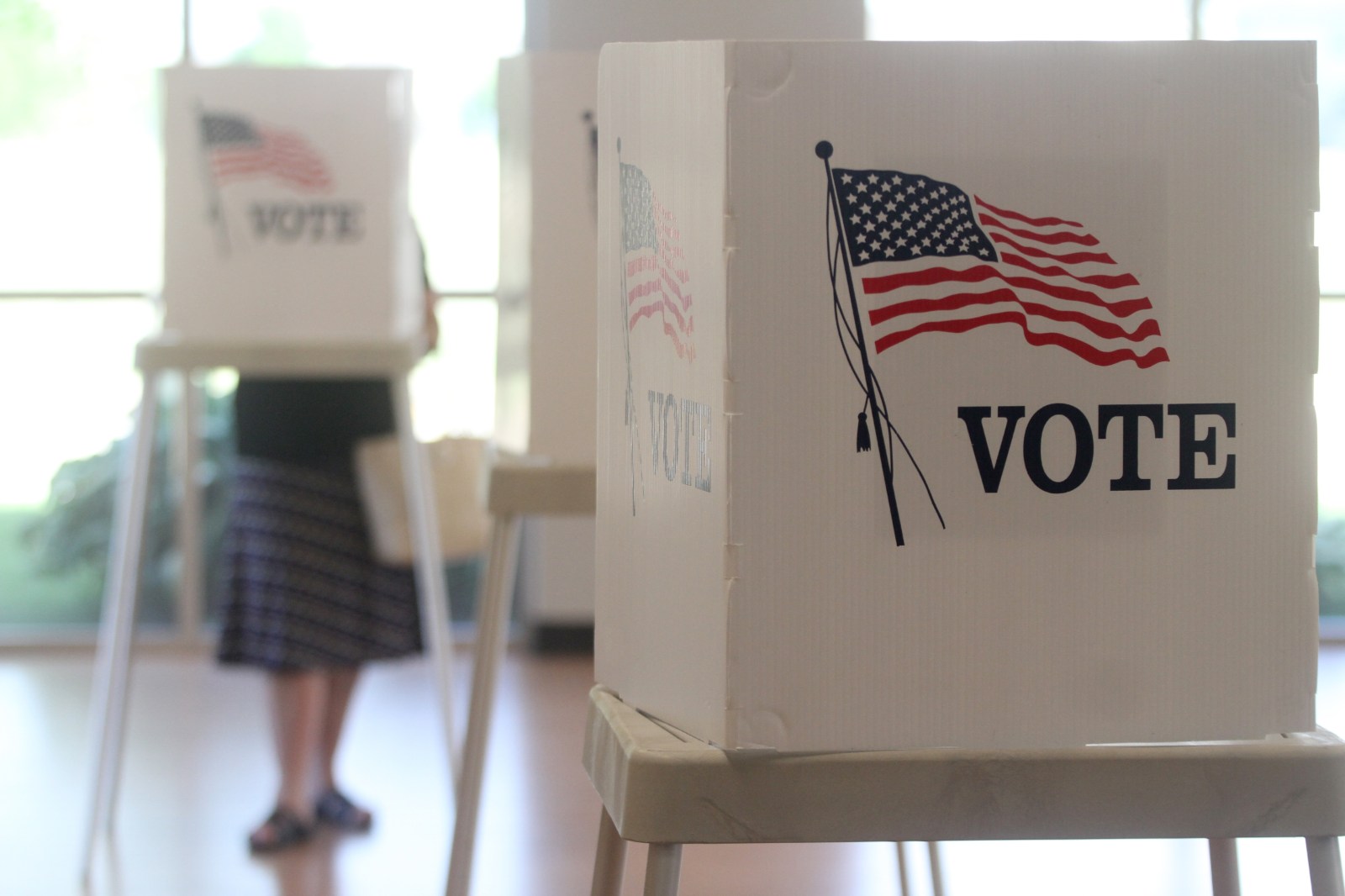
As voters participate in this year’s midterm elections, a new source of political funding is raising eyebrows: donations from the artificial intelligence (AI) sector. Observers note that while the impact of AI-related contributions on election outcomes is uncertain, they might influence voter perceptions.
Corporate political donations are nothing new in American elections. However, the fast growth of AI and data centers has spotlighted the industry’s political spending. Candidates in crucial races must address concerns over how AI-linked donations might sway their stances on matters like electricity costs and tax incentives.
“Data-center backed candidates may face backlash due to their political associations,” said Cayce Myers, a professor at Virginia Tech, in comments to Newsweek. “In tight races, even a handful of votes influenced by this issue can be decisive.”
Midterm Races Impacted by AI Donations
Several races have drawn attention due to AI-affiliated contributions as Election Day on November 3 approaches. In Texas, Governor Greg Abbott, a Republican, who is seeking re-election against Democrat Gina Hinojosa, has received millions from donors linked to data centers. This occurred even after he halted new data center approvals pending an audit, according to the Texas Tribune.
In Ohio, Republican Jon Husted and Democrat Sherrod Brown have sparred over AI-related donations in their Senate campaign. Fox News noted that Brown’s career donations included $20,000 from a Google PAC, while American Journal News reported Husted received over $630,000 from data center-associated organizations over 20 years. For this election cycle, Husted raised $11,000 this year from AI-related firms, rising to $22,000 from companies like Microsoft and Oracle since May 2025, based on Federal Election Commission records.
Both candidates’ camps offered statements but provided no assurances that data center contributions wouldn’t impact their policies if elected. Husted’s team advocated for local control of data center projects, emphasizing no local financial burden, while Brown’s spokesperson criticized Husted’s influence in bringing data centers to Ohio.
University of Akron professor David Cohen remarked on AI’s significance for Ohio voters, noting a Bowling Green State University/YouGov poll where 19% of Ohioans cited AI and data centers as important issues. Although overshadowed by concerns like the economy, this percentage remains notable.
Cohen emphasized that while voters might not track finance records, media coverage raises their awareness. “Perception is reality in politics,” he said, suggesting close ties to big tech can affect public perception.
Virginia Tech’s Myers highlighted immediate voter concerns like utility bills as key issues. He remarked that the evolving political stance on data centers and big tech will keep this a significant topic. Over time, data centers will continue to shape political discourse and voter influence.
Despite uncertainties about the impact of these contributions on election results, Myers pointed out growing criticism of perceived corporate influence. Political narratives often frame large tech contributions against voters’ everyday struggles.