
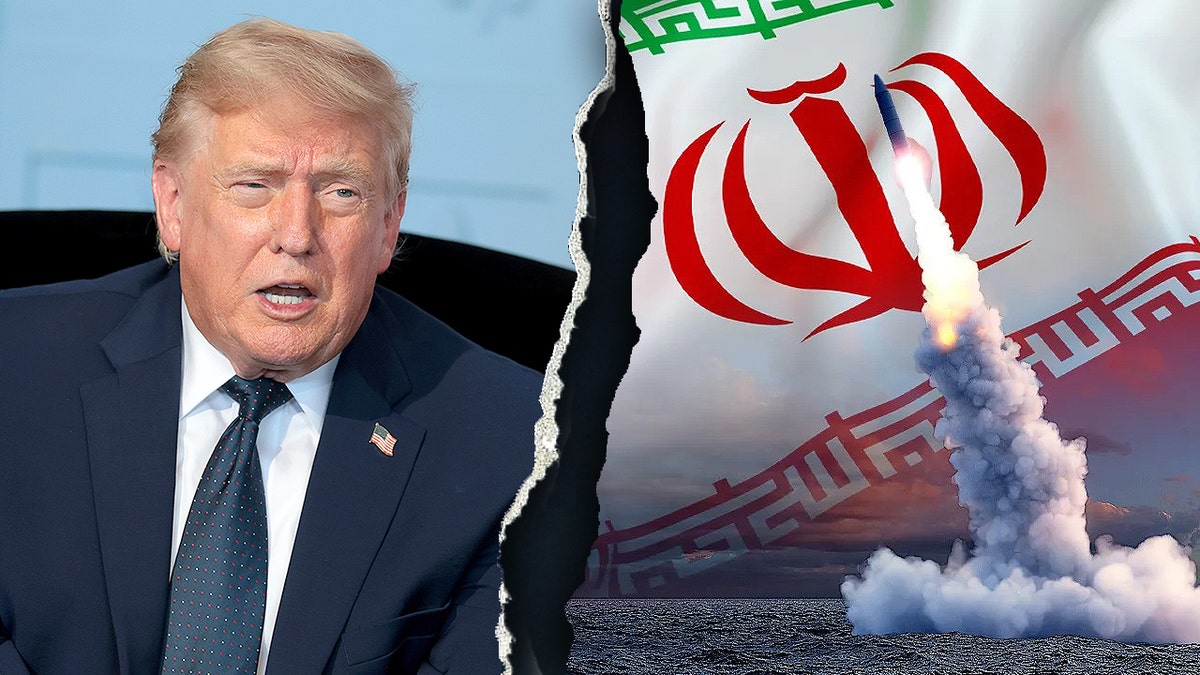
Rep. Rich McCormick, a Republican from Georgia, has voiced his apprehensions about the ongoing Iran nuclear negotiations. He openly distrusts the Iranian regime and aligns with President Trump’s stance, labeling the agreement an ‘unconditional surrender.’ McCormick fears that the release of frozen assets could strengthen Iran’s military. He emphasizes the regime’s longstanding hostility and advocates for change.
The United States has established a new memorandum of understanding (MOU) with Iran. Nuclear experts express concerns that this deal might allow Iran too much control over its uranium reserves unless inspectors can first locate, secure, and verify the material. The MOU mentions ‘downblending,’ diluting enriched uranium to reduce its suitability for weapons, as the minimum method under International Atomic Energy Agency (IAEA) supervision.
The MOU remains vague about Iran’s civilian nuclear program and suggests further discussions regarding Iran’s ‘nuclear needs’ in the final deal. Nuclear expert Chuck DeVore emphasizes the importance of unrestricted verification, stating that remote inspections cannot replace in-person assessments.
The signed MOU postpones planned technical negotiations in Switzerland, leaving essential details unresolved. The agreement activates a 60-day negotiation period, yet key nuclear issues remain unaddressed. The IAEA’s recent report highlights limited oversight of Iran’s declared nuclear program following military strikes last year.
A senior U.S. official stated that the MOU requires Iran to reaffirm its commitment not to develop nuclear weapons. This commitment is a significant step under Iran’s new Supreme Leader. The U.S. achieved understandings concerning Iran’s uranium stockpile, aiming for tangible results like dismantling nuclear sites, banning enrichment, and ensuring inspection access.
Vice President JD Vance highlighted that the success of the deal depends on Iran fulfilling its promises. They pledged not to enrich uranium and agreed to allow inspections to render the stockpile unusable through destruction or removal.
Andrea Stricker from the Foundation for Defense of Democracies stressed that any credible agreement must first secure Iran’s enriched uranium stockpile. Without dismantling Iran’s nuclear capabilities, including facilities and documentation, Iran’s paper commitments remain unreliable.
DeVore warns that Iran’s ability to produce weapons depends on the sophistication of their design. On-site downblending, if effectively verified, can prevent the further enrichment of Iran’s 60% enriched uranium stockpile. It’s essential to prevent past mistakes, such as those of the Obama-era deal, which allowed Tehran to limit inspections.
DeVore, drawing from his experience with Cold War-era treaties, fears the minimum verification requirements set by experts could become the baseline, leading to insufficient agreements. The International Atomic Energy Agency (IAEA) was contacted for comments on monitoring Iran’s uranium stockpile and the verification concerns raised.