
The history of physicians serving as U.S. senators is significant. Notable examples include Sen. John Barrasso, a former chief of surgery at Wyoming Medical Center, Sen. Bill Cassidy, co-founder of a clinic for the poor, and Sen. Rand Paul, who practiced for nearly two decades. Sen. Roger Marshall, an OB-GYN, delivered over 5,000 babies. Perhaps most distinguished is Sen. Bill Frist, a heart surgeon who performed more than 150 heart and lung transplants before serving as Senate majority leader from 2003 to 2007.
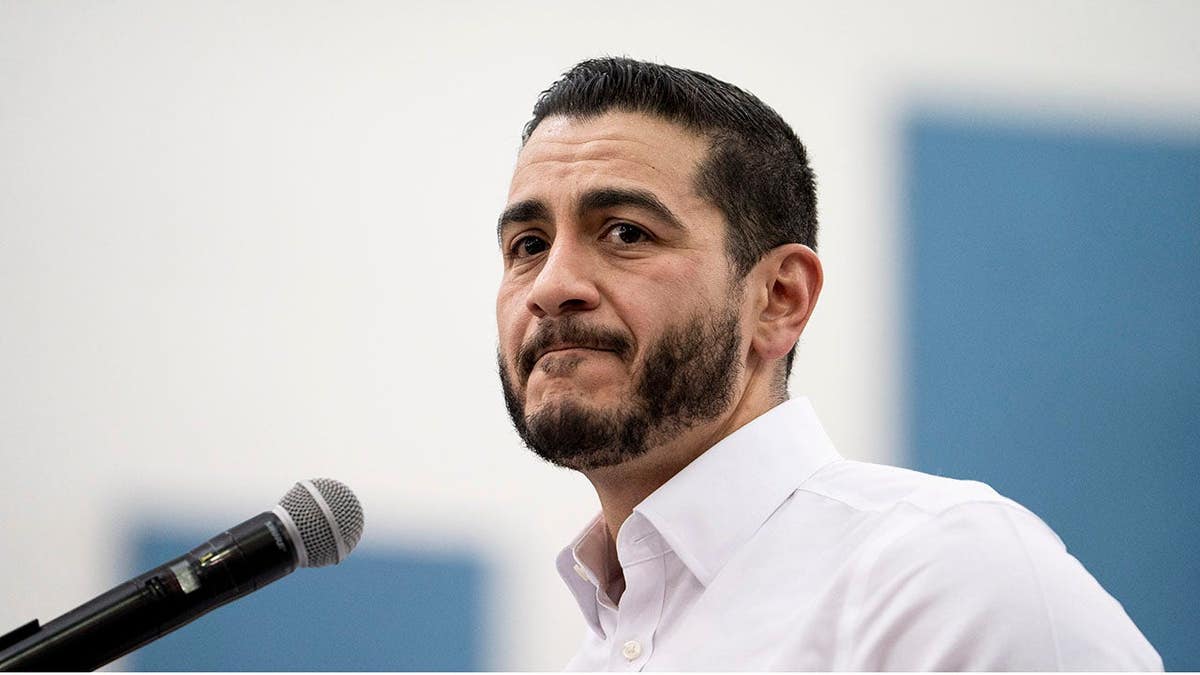
Compassion, balanced judgment, calmness under pressure, and a profound understanding of humanity are traits shared by great physicians and effective senators. This relevance emerges in the scrutiny of Dr. Abdul El-Sayed, a Democratic Senate primary candidate in Michigan, who claims to be a physician.
Reports indicate that Mehdi Hasan confronted El-Sayed for claiming the physician title without a valid state medical license. Hasan asked whether El-Sayed regrets not restricting himself to the doctor title, to avoid controversy.
Though El-Sayed earned a medical degree from Columbia University and a public health doctorate from Oxford, he has not practiced medicine. Licensing boards, such as New York’s, reserve the physician title for those licensed to practice medicine or surgery.
El-Sayed has significant medical credentials. He directed the Detroit Health Department and held academic roles in Michigan and at Harvard. However, he has not practiced patient care.
The term ‘physician’ dates back to Aristotle, designating those studying natural phenomena. Unlike earlier healers, Hippocratic physicians explained illnesses through natural causes.
El-Sayed advocates for Medicare for All and wrote a book on the subject. However, claiming independence from insurance companies because he hasn’t taken money from them is misrepresentative. Realistically, dealing with insurers is integral to understanding Medicare’s operations and limitations.
The legacy of physician-senators is formed by serving patients and seeking cures, not solely by academic credentials. The path to senatorial roles requires honesty about one’s professional standing.