
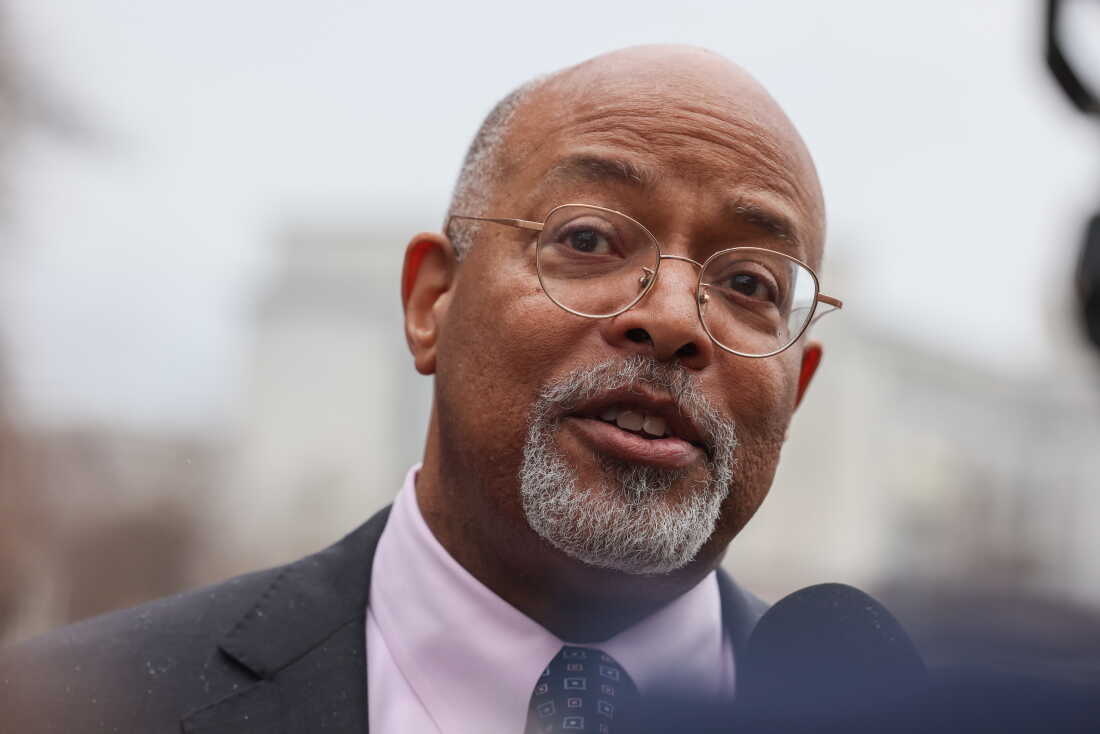
Rep. Glenn Ivey of Maryland is considering a stopgap spending bill as the House returns to Washington after a five-week recess. Keeping the government operating is a top priority. The Senate has already greenlit a measure funding the government through December, sidestepping a shutdown during the midterm elections.
As a member of the House Appropriations Committee, Rep. Ivey shared with NPR’s Morning Edition that there is a high likelihood of the bill passing. His vote is yet undecided. The impact on federal workers in his district weighs heavily on his decision-making process. Additionally, the looming November midterms add a political dimension to his considerations. Ivey acknowledged, “You can’t get everything you want, so there’s a chance that I might vote for it to keep the government open.”
Rep. Ivey wants the electorate to focus on issues like health care, tariffs, and affordability rather than another shutdown battle. He criticized the Trump administration’s handling of the appropriations process because Congress lacks the necessary information from the Office of Management and Budget to make informed funding decisions.
The complete interview can be accessed using the play button above. The interview has been adapted for the web by Majd Al-Waheidi and edited by Suzanne Nuyen. NPR maintains its policy of not accepting funds for interviews or coverage.