
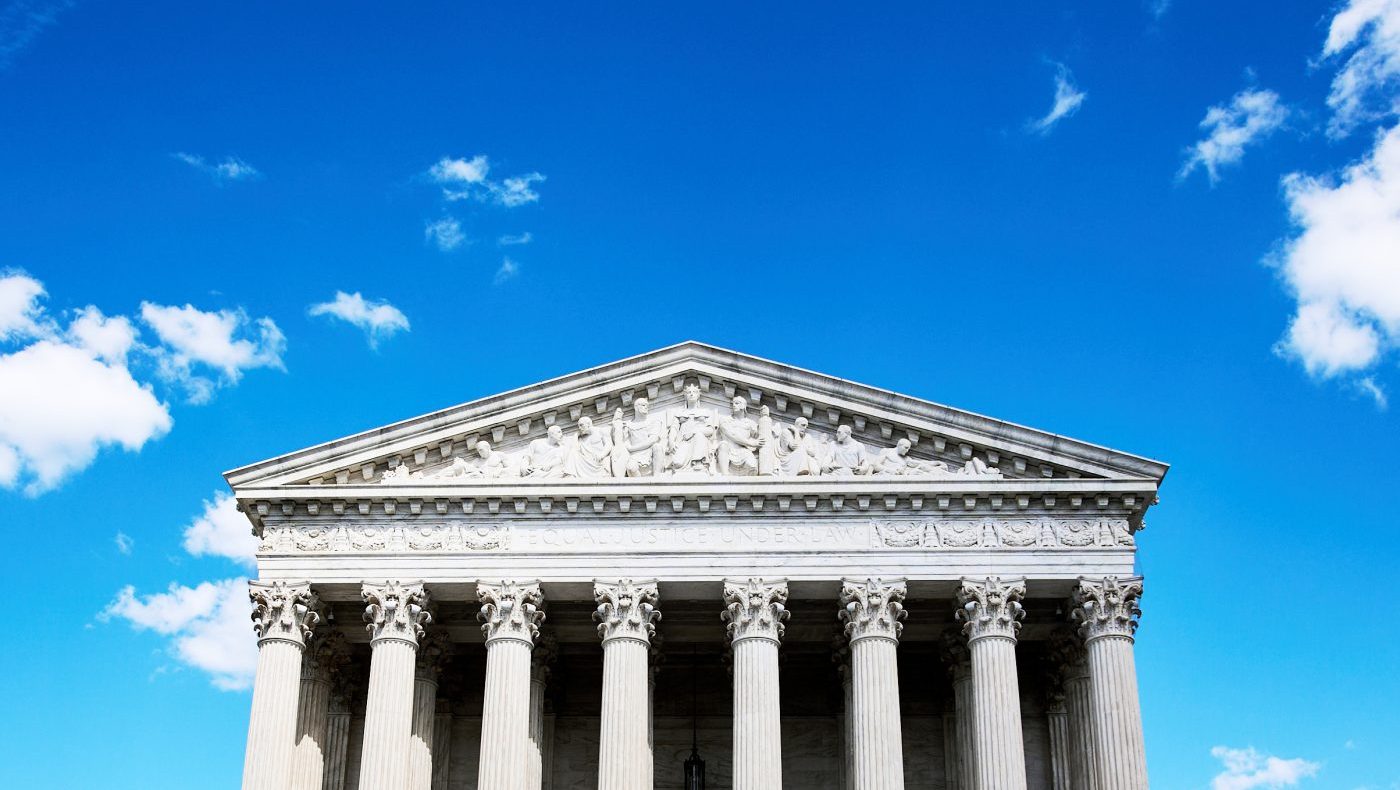
The Supreme Court building in Washington was photographed in April 2026. Many families in the country pray before meals, carrying on a tradition through generations. But the idea of asking the government’s permission to do so might seem strange. This was the situation that Daniel Grand, an Orthodox Jew in University Heights, Ohio, found himself facing.
Daniel Grand regularly hosted prayer sessions at his home with around 12 friends. According to his faith, a minimum of 10 Jewish men, known as a ‘minyan,’ is required for prayer, which occurs three times daily. During the Sabbath and Jewish holy days, travel is restricted, necessitating nearby gatherings. However, someone shared Grand’s activities with the local authorities, leading to unexpected challenges.
The city sent Grand a letter stating he must halt the use of his home for religious gatherings. To proceed, he needed a special-use permit designated for places of worship in residential zones. Complying, Grand applied for the permit but faced resistance. Written protests and a contentious zoning commission hearing met his request. Feeling pressured, Grand withdrew his application.
Not content with this setback, the local government encouraged his neighbors to monitor and report any gatherings. Police presence increased, and Grand faced fabricated housing violations, along with revoked occupancy certificates and tax benefits. His living situation deteriorated further when sanitation services stopped regularly collecting his trash.
A critical issue emerged when Grand discovered that obtaining a permit would necessitate transforming his home into a synagogue. Zoning laws prevented anyone from living within a commercial place of worship, presenting him with a dilemma: he couldn’t simultaneously reside and pray in his home.
Recognizing a First Amendment issue, Grand filed a lawsuit. However, federal courts demanded he first complete the city’s permitting process, likening this requirement to waiting for a house to burn down completely before calling the fire department. His legal fight emphasizes a significant ‘circuit split’ among U.S. appellate courts. While the 1st and 11th Circuits allow immediate federal court access when rights are violated, the 3rd, 9th, and 6th Circuits, including Grand’s case, necessitate completing local procedures first.
If Grand resided in Boston or Atlanta, federal courts would evaluate his constitutional claim by now. In contrast, judicial access remains barred in places like Philadelphia, Seattle, and Cleveland. Numerous similar cases highlight how religious practices face systematic challenges, marking this as a widespread issue.
This scenario paints a picture of governmental misuse of zoning laws to control religious expression. If Grand’s social gatherings were non-religious, such as poker games or book clubs, no permit would be required. This constitutes clear religious discrimination. With considerable divergence in federal court decisions, the Supreme Court must address this issue. Judicial intervention is necessary to uphold freedoms or risk diminishing them further.
John Bursch serves as senior counsel at the Alliance Defending Freedom. This piece was produced by Nexstar Media Inc., 2026, and is protected from unauthorized reproduction and distribution.