
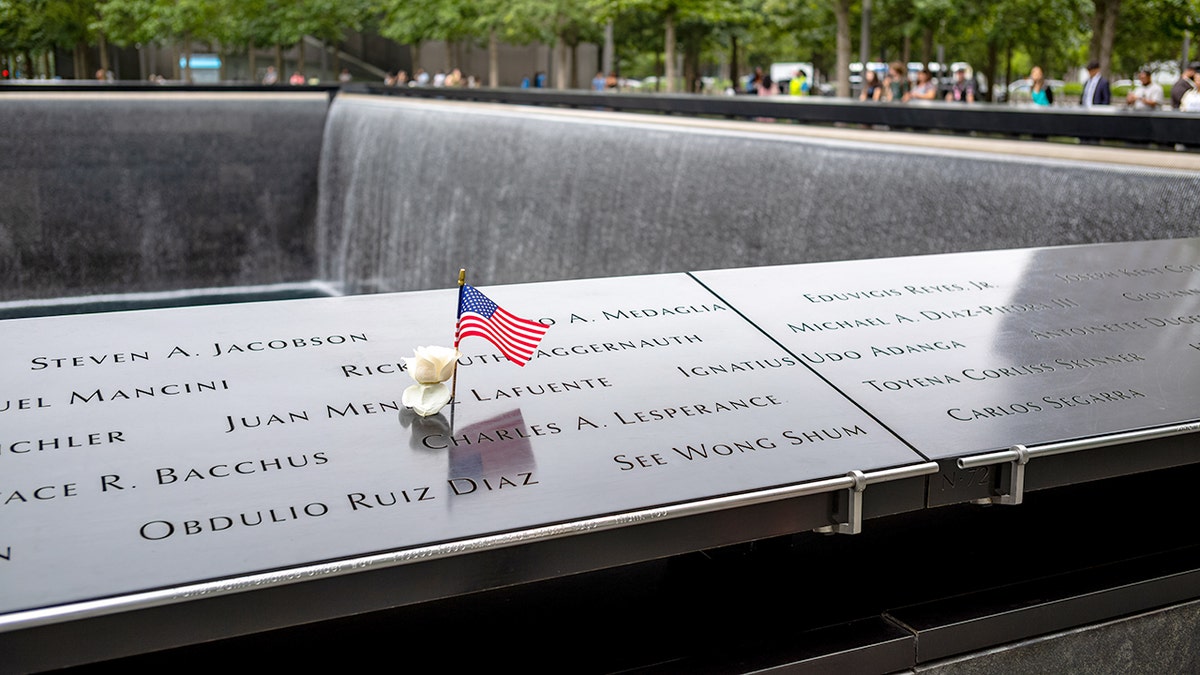
On the morning of September 11, 2001, Javed Ali passed by the Pentagon while driving to work in northern Virginia. About thirty minutes later, American Airlines Flight 77 struck the building. From his office in Falls Church, Ali could witness the smoke ascending from the Pentagon.
A year later, now employed with the Defense Intelligence Agency’s (DIA) counterterrorism office, he found himself walking into the still damaged Pentagon. Ali shared with Fox News Digital that this experience marked a profoundly surreal moment in his career.
Ali’s career trajectory eventually led him from the DIA to the recently established Department of Homeland Security (DHS) and then to the FBI. This journey offered him an insightful view into the extensive national security apparatus established in the U.S. post-9/11.
Post-9/11 Transformation
The national security framework built after 9/11 reflects a complex paradox. While it successfully reduced the likelihood of another attack on the scale of 9/11, the nature of threats evolved. The U.S. has not faced a terrorist attack as devastating as 9/11, which claimed 2,977 lives. Intelligence and military strategies dismantled much of the al Qaeda network behind it. New agencies, surveillance measures, watchlists, and intelligence-sharing systems were developed to prevent similar threats.
The 2026 U.S. intelligence assessment confirmed that counterterrorism efforts severely hindered al Qaeda and ISIS’s capacity to orchestrate large-scale attacks against the U.S. Homeland. However, success against the threat of 2001 reshaped terrorism rather than eliminating it.
Present challenges largely involve individuals radicalized online, small groups with minimal traceable indicators, foreign terrorist organizations instigating attacks remotely, and growing cyber and state-sponsored threats capable of internal reach without traditional means.
Response to New Threats
Creating a post-9/11 security state initiated significant governmental change. The Transportation Security Administration (TSA) was founded shortly after the attacks, assuming airport screening responsibilities, marking the largest civilian project managed by the U.S. government at the time. In 2003, Congress formed DHS, merging aspects of 22 federal entities, designed to ensure national security through various roles encompassing border, aviation, cybersecurity, intelligence, and emergency interventions.
Implications of the 9/11 Commission’s findings suggested fragmented responsibilities among agencies, inconsistent information sharing, and lack of integrated intelligence leadership, leading to diffuse accountability. Addressing these gaps consumed Washington’s next two decades.
Challenges and Costs
Brown University’s Costs of War project estimates that post-9/11 conflicts and related commitments have cost around $8 trillion, with over $1.1 trillion directed at homeland security to prevent terrorism within the U.S. since DHS’s inception.
Ali reflected on the persistent threat, even post-U.S. actions against al Qaeda in Afghanistan. The organization, despite leadership losses, continually attempted infiltration, evident through multiple plots targeting the U.S., including a notable 2006 British-originated attempt to bomb transatlantic flights.
The demise of Usama bin Laden in 2011 did not signify the end of jihadist terrorism. New challenges arose with ISIS, an al Qaeda offshoot expanding amid conflicts in Iraq and Syria, declaring a caliphate in 2014, encouraging widespread attacks.
Counterterrorism efforts turned increasingly towards identifying individuals radicalizing domestically with minimal organizational ties, representing a shift in threat detection dynamics.
Lone Actor Threats
Recent assessments highlight the rise of lone actors radicalized online, posing significant threats due to their detection difficulty. Events like the 2025 New Year’s Day pickup truck attack on Bourbon Street in New Orleans exemplified the dangers.
Findings by the FBI reveal these actors and minor cells present the highest risk due to their ability to operate under limited detection and execution indicators, contrasting the extensive planning and execution of the 9/11 attacks.
The nation’s challenge involves recognizing attacks diverging radically from previous conspicuous threats.
The Need for Strategic Evolution
Emerging threats provoke debate regarding the scale and expense of the post-9/11 security infrastructure. Critics argue that excessive bureaucratic expansion, focus on prior era’s threats, and neglect of growing vulnerabilities demand reassessment.
Past administrations’ response strategies, based on enlarged bureaucracies, substantial legal authorities, and Middle Eastern interventions, receive criticism for inefficiency and limited national safety enhancements.
Adapting to New Threats
2026 forecasts suggest persistent threats from entities including China, Russia, Iran, North Korea, and ransomware actors targeting U.S. networks and infrastructure. These adversaries leverage advancing AI technologies to bolster cyber capabilities and develop missile systems threatening U.S. security.
Ali emphasizes that emerging threats necessitate proactive counterterrorism engagement, preventing such entities from achieving operational capacity. Ensuring continuous vigilance against terrorism remains crucial to avert complacency risks reminiscent of pre-9/11 attitudes.