
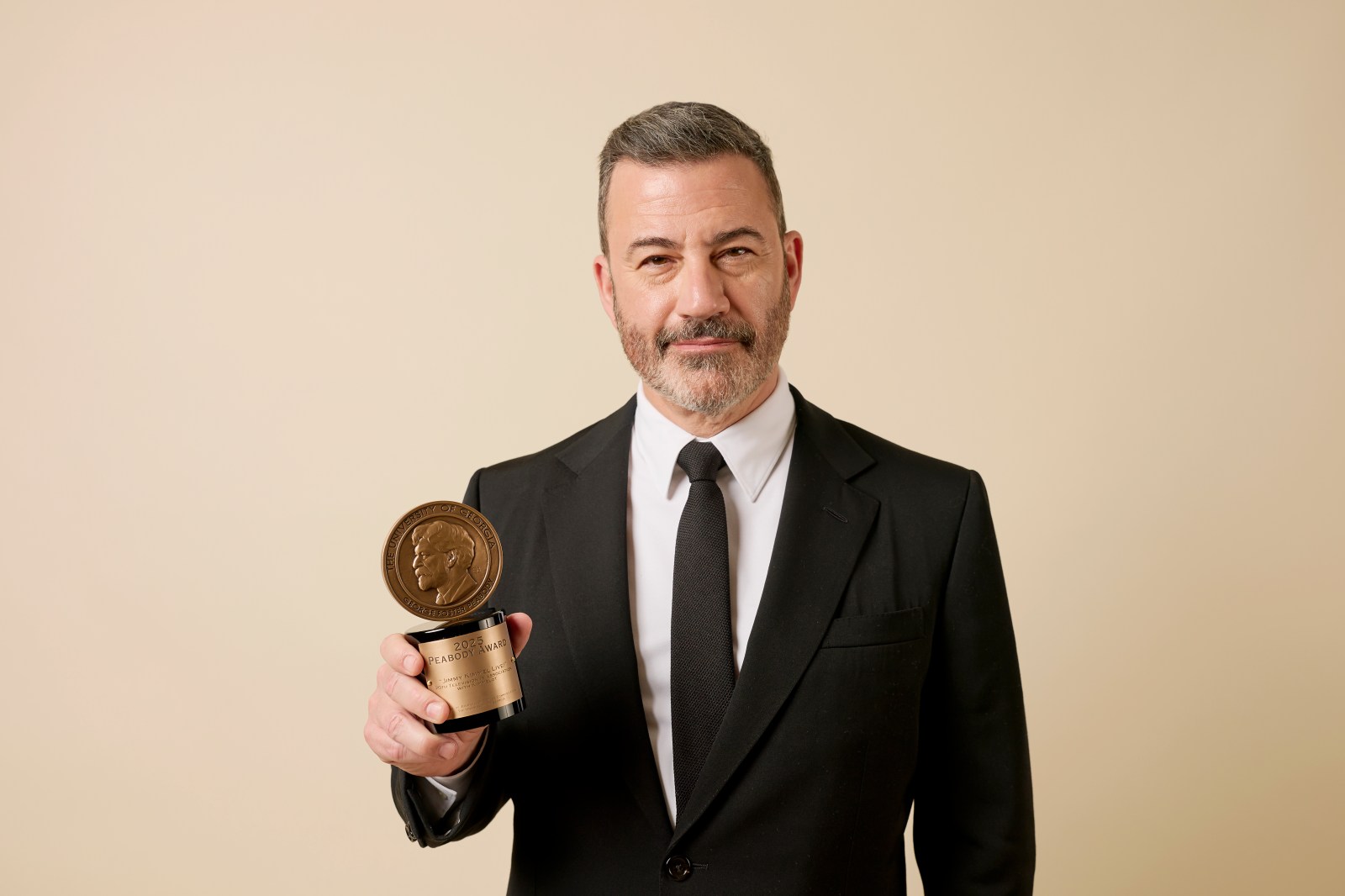
The ongoing clash involving comedians, broadcasters, and federal regulators has once again captured national attention, reigniting significant debates on First Amendment issues within the United States. This September 17th marks a year since Brendan Carr, President Donald Trump’s appointed chair of the FCC, pushed media companies to drop Jimmy Kimmel’s show. Kimmel had criticized the ‘MAGA gang’ for allegedly politicizing Charlie Kirk’s death, a conservative figure.
Kimmel’s satire, comparing Trump’s reaction to Kirk’s death to how a young child mourns a goldfish, was enough to provoke Carr’s ire. Carr labeled Kimmel’s commentary as ‘some of the sickest conduct possible’ and hinted at a possible suspension, describing the situation as a serious concern for Disney, ABC’s parent company.
Following the backlash, ABC temporarily suspended Kimmel’s show. Despite only lasting six days, during which Disney+ reportedly experienced a rise in cancellations, these events raised alarm over free speech and censorship in the U.S. Newsweek reached out to both the FCC and Disney for comments.
Bob Corn-Revere, a veteran First Amendment litigator at the Foundation for Individual Rights and Expression (FIRE), explained to Newsweek that similar cases appeared during Trump’s first term. These recent developments are particularly concerning as Carr seems ‘fully committed to doing the president’s bidding.’
Kimmel and Carr Continue to Clash
One year later, Kimmel claims he remains a target of the administration’s scrutiny. He announced his interview with Democrat state Representative James Talarico, vying for a U.S. Senate seat in Texas, would be on YouTube instead of television due to FCC pressure and its updated rules.
In January, the FCC removed TV talk shows’ exemption from regulations requiring ‘equal time’ for political candidates. Kimmel stated that FCC threats targeted his show, network, and stations based on editorial decisions and interviews the agency didn’t approve.
The White House dismissed Kimmel’s claims as drama over situations like interviewing Talarico. However, events from a year ago make many view the FCC’s approach as pressuring companies over their content.
Christopher Terry from the University of Minnesota told Newsweek that broadcasters have the right to air such content without FCC interference, a right threatened under Carr’s direction. FIRE’s Corn-Revere noted that relocating Kimmel’s interview to YouTube shows outdated broadcasting rules. Anna Gomez, the sole Democratic FCC commissioner, accused the agency of ‘intimidation’ without lawful authority.
Legal Battles Rekindled
Anna Gomez highlighted Disney’s active court battle against FCC intimidation. In April, Carr initiated a premature license review for eight ABC stations over alleged discrimination at Disney. Although Carr denied connections to Kimmel’s case, Disney saw it as retaliatory.
Disney and ABC’s lawsuit emphasized governmental censorship as un-American. They accused the FCC of retaliating due to disapproval of ABC’s broadcasts. Carr’s past comments are leveraged by Disney as evidence of coercion attempts.
Disney is utilizing previous experiences, like the controversial episode involving Kimmel, to strengthen its legal proceedings against the FCC. Corn-Revere commented that the latest incident bolsters ABC’s lawsuit against the Commission.
Upon his return from a summer hiatus, Kimmel marked his 4,000th show while addressing ongoing regulatory challenges. Despite doubts about their show’s longevity, Kimmel remarked on their resilience, including overcoming the FCC’s attempts to undermine their progress.