
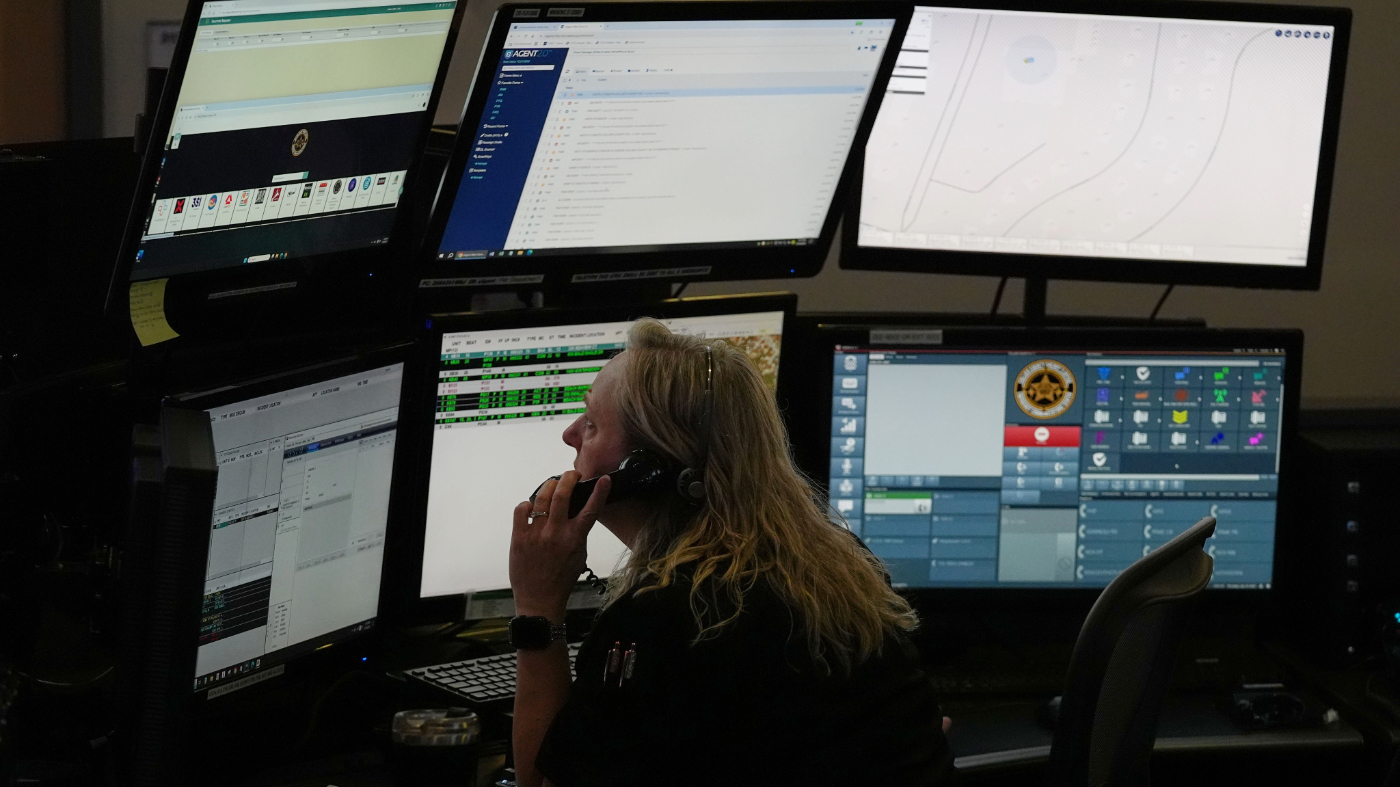
Dispatcher Donna Bocik responded to a critical 911 call at the Collier County Emergency Services Center in Naples, Florida. This incident highlights the essential role played by 911 professionals. One notable example involved Tim Teneyck from Ohio who deciphered a domestic violence report disguised as a pizza order, revealing the ingenuity required in these roles.
Every minute, approximately 450 emergency calls flood the 911 system in the United States. As someone who has researched the 60-year history of the nation’s 911 system, I know these professionals are the ultimate first responders, integral to saving lives and ensuring public safety. Under current federal labor laws, however, they are considered administrative workers, a categorization that fails to reflect their vital contribution.
The Senate has passed legislation to reclassify 911 professionals as “protective service personnel.” This change is crucial for recognizing their significant role in emergency response. Congress needs to prioritize passing this legislation before the session concludes.
Challenges Faced by 911 Professionals
The term “first responders” often brings to mind images of police or firefighters rushing into danger, yet 911 professionals work in jobs that are equally fraught with stress. Nearly half of these professionals handle calls involving kidnappings or hostages, and 42% face cases of nonaccidental deaths. They encounter serious assaults, and many deal with tragic situations such as suicides.
Mass shooting events pose significant challenges, with a barrage of calls pouring in, exposing call handlers to distressing scenarios. For instance, a 911 professional may field a call from a distraught parent whose teenager overdosed or a victim experiencing assault. These experiences can have an extreme mental and physical toll.
Mental Health Impacts
Compared to the general population, 911 responders face ten times the risk of anxiety, PTSD, suicidal thoughts, and depression. Their risk of mental health conditions is double that of law enforcement officers. Despite this, there is a lack of adequate training and support for 911 professionals, with some even blaming themselves for tragic outcomes related to their call responses.
Gender Discrimination and Misclassification
Research reveals gender discrimination as a root cause of these issues. Historically, women filled 911 roles under the belief they were calmer and better listeners, resulting in lower pay and fewer benefits. Nearly 80% of 911 professionals today are women, yet gender bias in the system persists, with reports of being undervalued by colleagues, especially in police forces.
911 professionals are misclassified as administrative workers, akin to clerical roles predominantly occupied by women. This categorization relegates their pay and benefits levels far below those of police officers or firefighters, limiting their access to mental health supports and retirement benefits.
State and Federal Legislative Actions
Eighteen states have already recognized 911 professionals as first responders. States such as Washington and Arizona provide these professionals access to pensions that other first responders receive, enabling earlier retirement with full benefits and aiding in retention of experienced professionals. The federal government must emulate these steps.
The Enhancing First Response Act has passed the Senate, echoing the nation’s call for honoring the contributions of 911 professionals, especially poignant given the historical context of the September 11 attacks. It is vital for the House to advance this bill. This legislation holds significant value and requires no federal funding to implement.
At the core of emergency response, a 911 professional is “the first person you may speak to on possibly one of the worst days of your life.” They deserve respect from the public, their peers, and the nation.
Rebecca Neusteter is the executive director of the Health Lab at the University of Chicago Harris School of Public Policy. Her book “911, What’s Your Emergency? The Promise and Peril of Crisis Response,” releases on September 15.