
On October 28, 2015, I left my high school teaching job early, believing I had the flu. I’d felt unwell for a while, attributing my symptoms to seasonal allergies, headaches, and the exhaustion that comes with balancing work and motherhood. Doctors had various explanations for each symptom, but my condition peaked that day. My head felt like it was on fire. I could hardly move or open my eyes. I felt weak and nauseated by even the slightest smell. Despite these symptoms, I went to my classroom, hoping to feel better.
At the school nurse’s office, I learned I had a fever and decided to go home. My ex-husband had the kids that day, so I immediately crawled into bed. I drifted in and out of sleep, occasionally waking for sips of water or to use the bathroom. My fever steadily climbed, and my energy waned. I was in bed the entire next day until I remembered my children needed picking up from school.
“I just need help getting the kids,” I told my mom. “Please do the pickup for me.”
“OK, I am telling your dad, too,” she replied, “I’m worried. Promise to get to a doctor. You need to get checked out.”
Later, I heard voices of my deceased aunt and grandmother ringing in my ears. It was inexplicable. Then I saw black bats flying in the corner of my room. Fear took over as I wondered if I was dying or losing my mind. Feeling waves of dizziness was terrifying, but I never lost consciousness. I was fading fast and knew I needed help.
I called my boyfriend to calmly explain I needed urgent care. He drove me to the closest hospital, where I vomited and collapsed in the chair while waiting to be seen. A doctor queried if I might be pregnant or exposed to Lyme disease. After a CT scan, I learned there was a mass on my brain, necessitating further tests. My sister, a nurse, made some calls, and soon I was in an ambulance heading to the Hospital of the University of Pennsylvania.
Doctors there suspected a brain infection. They started me on antivirals as my brain swelled, putting me hours from a coma. After several scans and lumbar punctures, I was diagnosed with herpes simplex virus encephalitis. Worldwide, 3.7 billion people under 50 carry this virus, commonly causing cold sores. Rarely, it affects the brain, as it did in my case, leading to potential long-term damage or death.
I recalled only two previous cold sore outbreaks in my life. With HSV-1, outbreaks can recur unpredictably since it remains dormant in the body. Although I seldom had cold sores, I never imagined the virus could reach my brain.
Seeking answers, I became frustrated. The doctor reassured me I had done nothing wrong, calling it a fluke. He explained the virus mistakenly reached my brain, which rarely happens. Despite my healthy lifestyle, this anomaly baffled me.
Leaving the hospital after a week, I faced a changed reality. My recovery involved long-term medication and home care. I was fortunate to have received timely treatment. If delayed, the outcome could have been blindness or coma. Part of my treatment involved acyclovir, which needed continuous administering even after discharge.
I struggled with light, sound, and even processing information. Awareness of my changed self set in. Recovery taught me that each healing journey varies. Many encephalitis survivors experience symptoms like chronic fatigue and memory loss. Some days, I felt capable; others were incapacitating. Developing coping mechanisms on my own became essential.
Months passed, filled with doctor visits and therapies aimed at setting and achieving small milestones. Gradually, I prepared to return to teaching and looking after my children, all the while managing persistent fatigue and brain fog. As a teacher, this experience deepened my understanding of students with neurological differences.
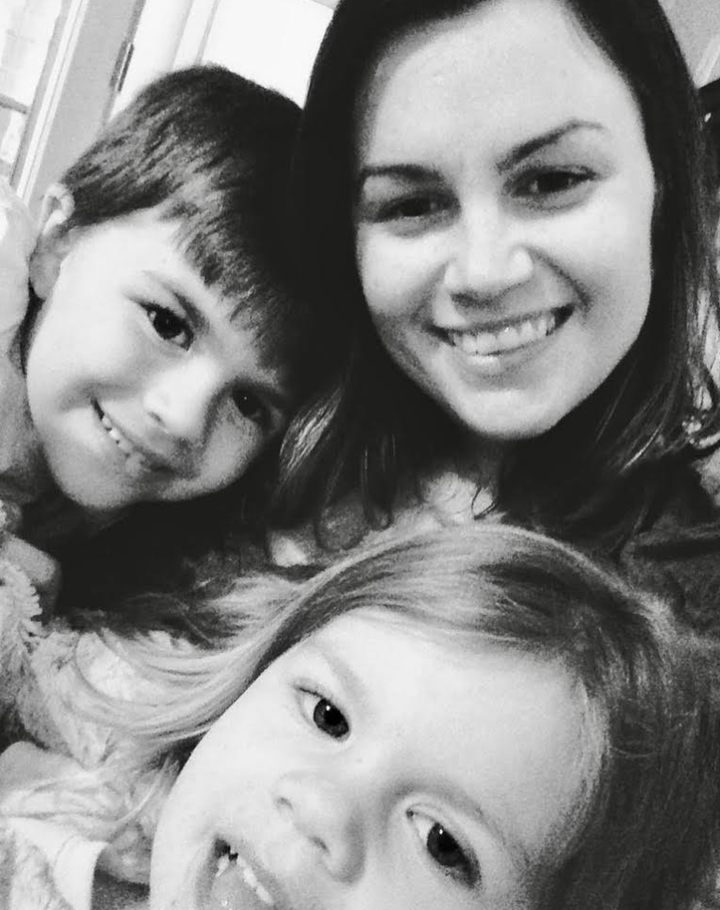
Over the years, I have come to terms with the fact that I have changed. I’m more protective of my time and energy. I’ve gained a new perspective on both the ‘before’ and ‘after’ me, cherishing experiences and memories with my children like never before.
Embracing each moment, from playful activities to simple interactions, I focus on being present. Encephalitis might have altered aspects of my life and health, but it also accentuated life’s beauty. I’m grateful for every day and for the unwavering support of those who understand and accept my journey.
Brigid Ward is a high school English educator and a writer passionate about personal storytelling. She resides in Philadelphia, engaging in family adventures and creative writing. For queries, contact her at [email protected].