
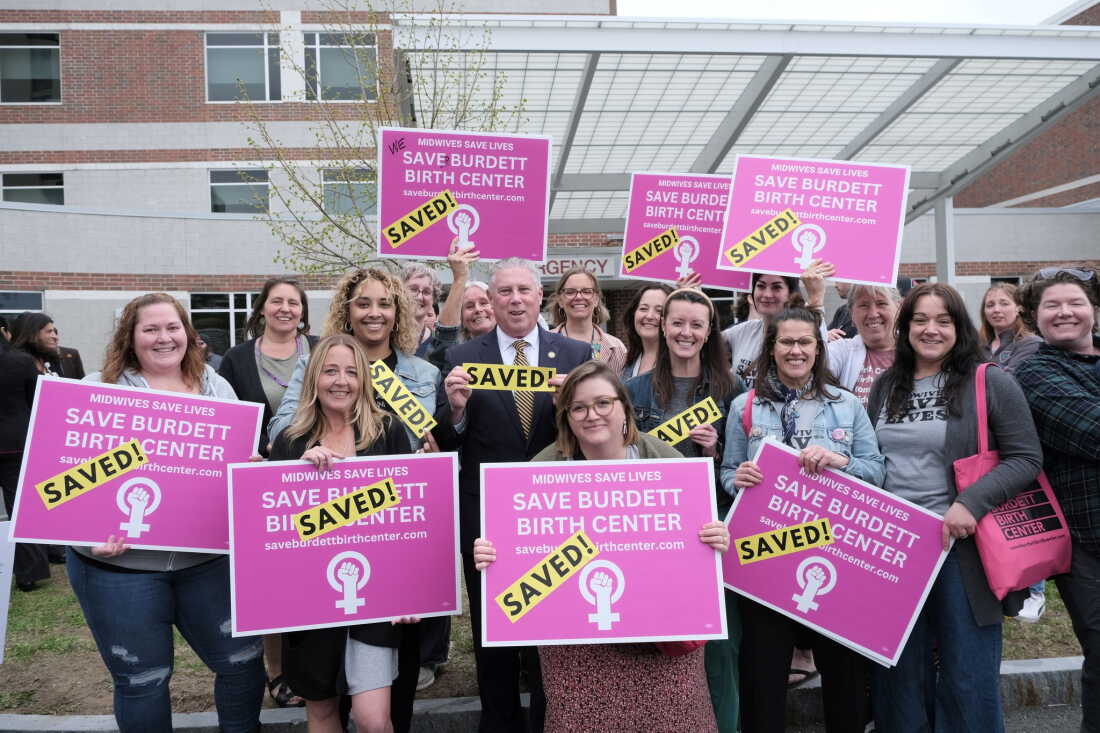
State Assembly member John T. McDonald III, a Democrat, was instrumental in securing $5 million in state funding to keep the Burdett Birth Center open in Troy, New York.
The people of Troy were taken aback when they learned of plans to close the city’s last birthing center. Starletta Washington, who leads the local YWCA, expressed her shock at the news. Troy’s residents faced the prospect of traveling half an hour to another hospital or risking emergency deliveries.
Since 2010, many communities have dealt with hospital closings. Troy, however, found hope. Officials from both parties, alongside patient advocates and community leaders, opposed the closure.
Remarkably, even Planned Parenthood and the Catholic Diocese joined forces. Carmella Mantello, Troy’s Republican mayor, noted the unity the plan inspired across political lines. Healthcare remains a contentious issue nationally, yet communities, such as Troy, find common ground against large corporate health systems.
A Community Institution
Samaritan Hospital has delivered babies in Troy for over a century. More recently, Burdett Birth Center became known for its patient-focused care. It emphasizes collaboration between midwives, doulas, and OB-GYNs, reducing unnecessary cesarean sections. Statistics show only about 25% of births at Burdett involve C-sections, compared to a statewide average of one-third.
Local resident Lidia Zambrano-Madera, who gave birth to her children at Burdett with midwife assistance, appreciated its proximity and quality care. However, three years ago, Trinity Health announced its plan to close the birth center due to financial losses. Troy families would have needed to travel to Albany for births.
Corporate Backlash
Trinity Health’s decision, revealed unexpectedly in a local newspaper, caused outrage. The community promptly rallied, with midwives, mothers, and local leaders raising their voices. They organized rallies and distributed “Save Burdett” merchandise. A community survey indicated significant transportation challenges for one in four Troy residents.
The campaign highlighted Burdett’s value and tapped into frustrations with Trinity, a vast healthcare system with major revenue. Justin Hayek, a doula involved in the campaign, noted Trinity’s lack of local understanding, fueling discontent across party lines.
The community’s dissent resonated even with conservative figures and religious leaders. Bishop Edward Scharfenberger criticized the closure, emphasizing its inconsistency with Catholic healthcare values.
A Bipartisan Solution
Despite Trinity’s insistence on closure, state officials intervened. New York Attorney General Letitia James launched an investigation and organized a hearing in Troy. McDonald, alongside Republican colleagues, secured state funding to maintain Burdett.
Eventually, the pressure succeeded. Trinity reversed its decision, keeping the center open. Lois Uttley, a researcher, noted a growing bipartisan skepticism toward large healthcare systems promising improved care and efficiency. With hospital consolidations, communities are becoming more skeptical of such claims.
McDonald sees hope in Troy’s example. Cooperation led to a favorable result. He suggests that similar collaboration could achieve positive outcomes elsewhere.
KFF Health News produces in-depth journalism and is part of KFF, a key source for health policy research and news.