
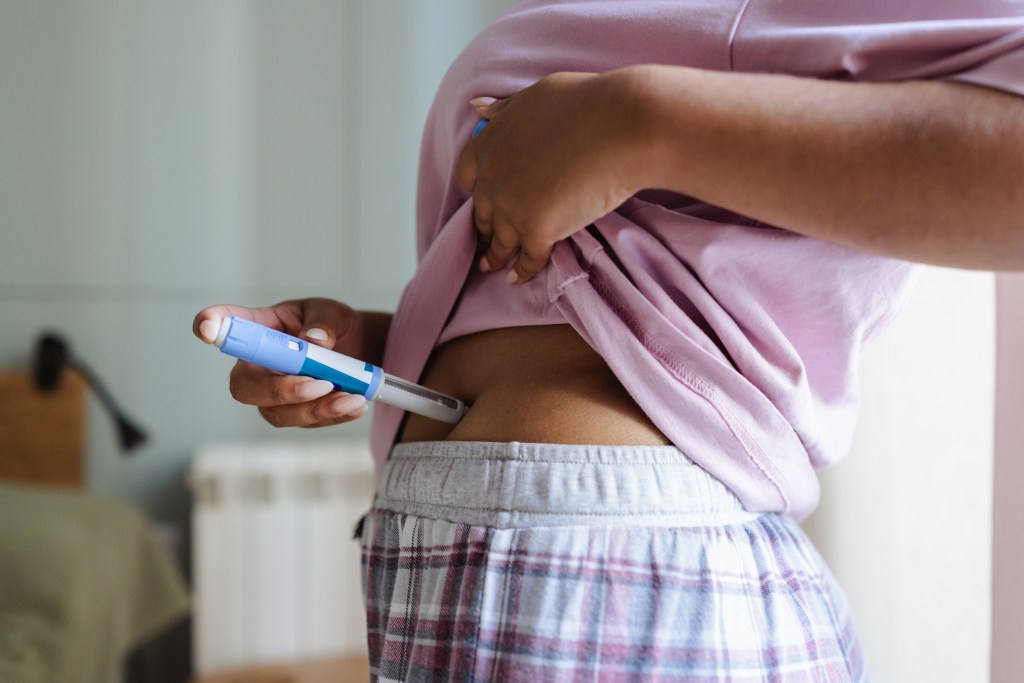
GLP-1 medications such as Ozempic, Wegovy, and Zepbound have transformed weight management and diabetes treatment. However, studies reveal that many patients discontinue them within a year. Ceasing these medications can lead to potential rebound risks, including rapid weight regain and the loss of cardiovascular benefits.
Reasons for Stopping Medication
Patients may cease taking GLP-1 medications due to medical concerns or side effects. Others may not wish to commit to long-term medication use, according to Dr. Frank Dumont, Executive Medical Director at Virta Health in San Francisco. Common side effects include nausea, vomiting, constipation, and diarrhea. In some cases, these side effects can hinder adequate nutrition intake.
“Working with your physician is crucial in deciding whether continuing on the medication is right for you,” Dr. Dumont stated.
Severe side effects like acute pancreatitis can lead to immediate discontinuation. Although rare, issues with the pancreas can be life-threatening. GLP-1 medications also carry warnings about thyroid tumors from animal studies. Individuals with a personal or family history of medullary thyroid carcinoma or MEN 2 should avoid these medications.
Potential Risks of Stopping GLP-1 Treatments
1. Return of Hunger and Cravings
Upon stopping a GLP-1, patients frequently experience a surge in appetite and cravings, often called “food noise.” Many users mistakenly treat GLP-1s as short-term solutions for weight or blood sugar goals. Yet, major medical organizations classify obesity as a chronic issue needing ongoing management.
Dr. Dumont remarked, “Without significant dietary changes, it’s likely hunger and cravings will increase again.”
2. Weight Regain
Weight regain is a common issue after stopping GLP-1s. The STEP 1 trial indicated that participants regained about two-thirds of their lost weight within a year of stopping semaglutide and lifestyle changes. In the SURMOUNT-4 trial, those switched to a placebo regained more than half their lost weight, despite continued diet and exercise counseling.
3. Changes in Biomarkers
While using GLP-1s, biomarkers such as blood sugar, blood pressure, and cholesterol levels generally improve. These improvements may reverse upon stopping the medication unless dietary adjustments are implemented. Improvements in fatty liver disease also tend to diminish after stopping treatment.
4. Worsening Body Composition
GLP-1 users may experience loss of muscle mass during weight loss, raising concerns about long-term physical function. Studies show about 25% of lost weight consists of lean mass. Regaining weight after stopping may not fully restore muscle mass, which is vital for metabolism and injury prevention.
5. Mental Health Effects
Ending a weight-loss drug can negatively impact mental health. Many patients view GLP-1s as a last-resort solution after unsuccessful diets and programs. Experiencing setbacks after stopping can be mentally devastating.
“Stopping the medication can make you feel disheartened and out of control,” Dumont added.
6. Loss of Health Protection
An observational study in BMJ Medicine found adults with type 2 diabetes who stopped GLP-1s faced higher cardiovascular risks. Longer discontinuation periods correlated with elevated risk. Stopping GLP-1s removes metabolic benefits reducing heart attack and stroke risks. Without dietary changes, these risks may increase further.
Maintaining Progress Post-Medication
Reaching metabolic goals and adopting sustainable lifestyle changes can help maintain progress after stopping GLP-1s. Dumont emphasized the importance of establishing long-term healthy eating habits before discontinuing medication.
“GLP-1 is not a standalone solution,” Dumont said. “It must be paired with sustainable dietary practices.”
He advised collaborating with healthcare providers on a strategy for discontinuation, along with ongoing weight and blood sugar monitoring.