
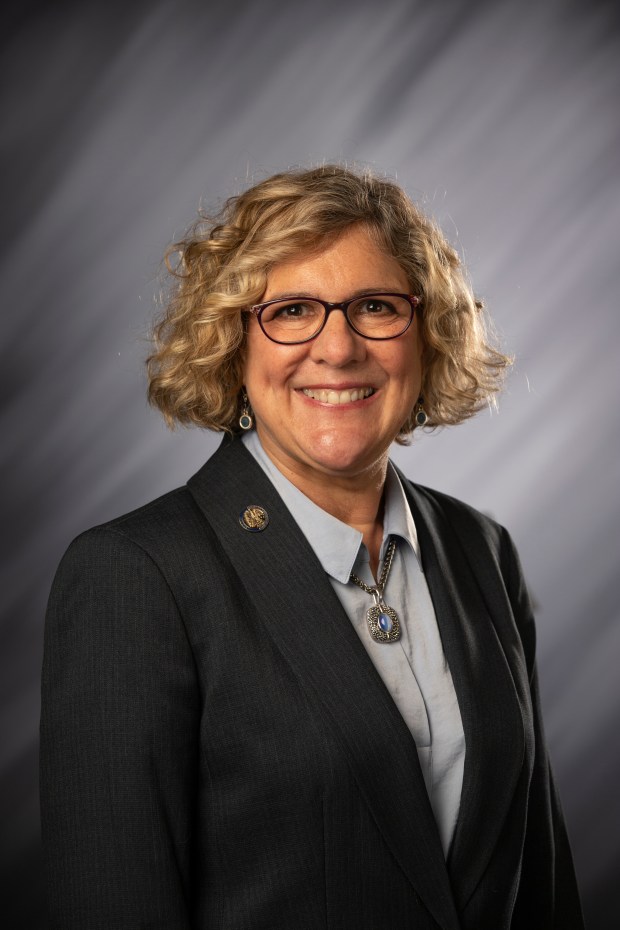
The contest for Indiana House District 19 positions five-term incumbent Rep. Julie Olthoff, R-Crown Point, against Democrat Nicholas Neal of Winfield. District 19 encompasses areas in Crown Point, Hobart, St. John, Merrillville, Cedar Lake, and Porter and Union townships.
Julie Olthoff’s Legislative Goals
State Rep. Julie Olthoff, aged 69, aims to continue addressing family-focused issues through her role on the House Family, Children and Human Affairs Committee. Olthoff highlights her successful legislative efforts in reforming the regulations for residential homeowners associations (HOAs). She stated, “My bill got passed, which really does a good job of reforming HOA governance.” This legislation demands greater transparency from HOA operators regarding the administration of these communities, often functioning like quasi-governmental entities.
Another significant initiative involves pairing children in the foster care system with attorneys to expedite their placement in permanent homes. Olthoff also advocates for mandatory drug testing in vehicular accidents with serious injuries, seeking funding to provide drug swab kits to police statewide.
Property Tax Reform Concerns
Olthoff and her challenger Neal are both focused on the impact of Senate Enrolled Act 1 and its comprehensive property tax reform. Olthoff acknowledges the need for adjustments to address funding gaps in local communities.
Nicholas Neal’s Critique and Proposals
Nicholas Neal, aged 47, criticizes Olthoff for her support of SEA1, describing her as a “rubber stamp” for the state Republican party. Neal asserts, “She needs to better understand what’s going on in her community.” As a professional in social services, Neal feels connected with the struggles of economically disadvantaged Hoosiers.
If elected, Neal intends to advocate for improved access to affordable healthcare, education, and utility rates. He argues that Republican policies over the last two decades have placed undue burdens on Hoosiers.
Neal supports either a repeal of SEA1 or significant modifications to alleviate the new tax pressures on local governments and individuals. He asserts that communities are struggling to offset budget cuts through new revenue sources like local income taxes.
Neal emphasizes the need for balanced governance, stating, “We’ve had the same policies in place here for the past 20 years because there’s been one party in office. We need more balanced government where people can talk to each other. I think we’re missing the basic concept of helping for all, not just for some.”