
Details of the Deal
President Donald Trump announced a deal to import ground beef into the U.S. at below-market prices. However, the specifics of the agreement are still unclear. Some Republicans fear that these reduced prices for basic goods could negatively impact GOP candidates in the upcoming midterm elections.
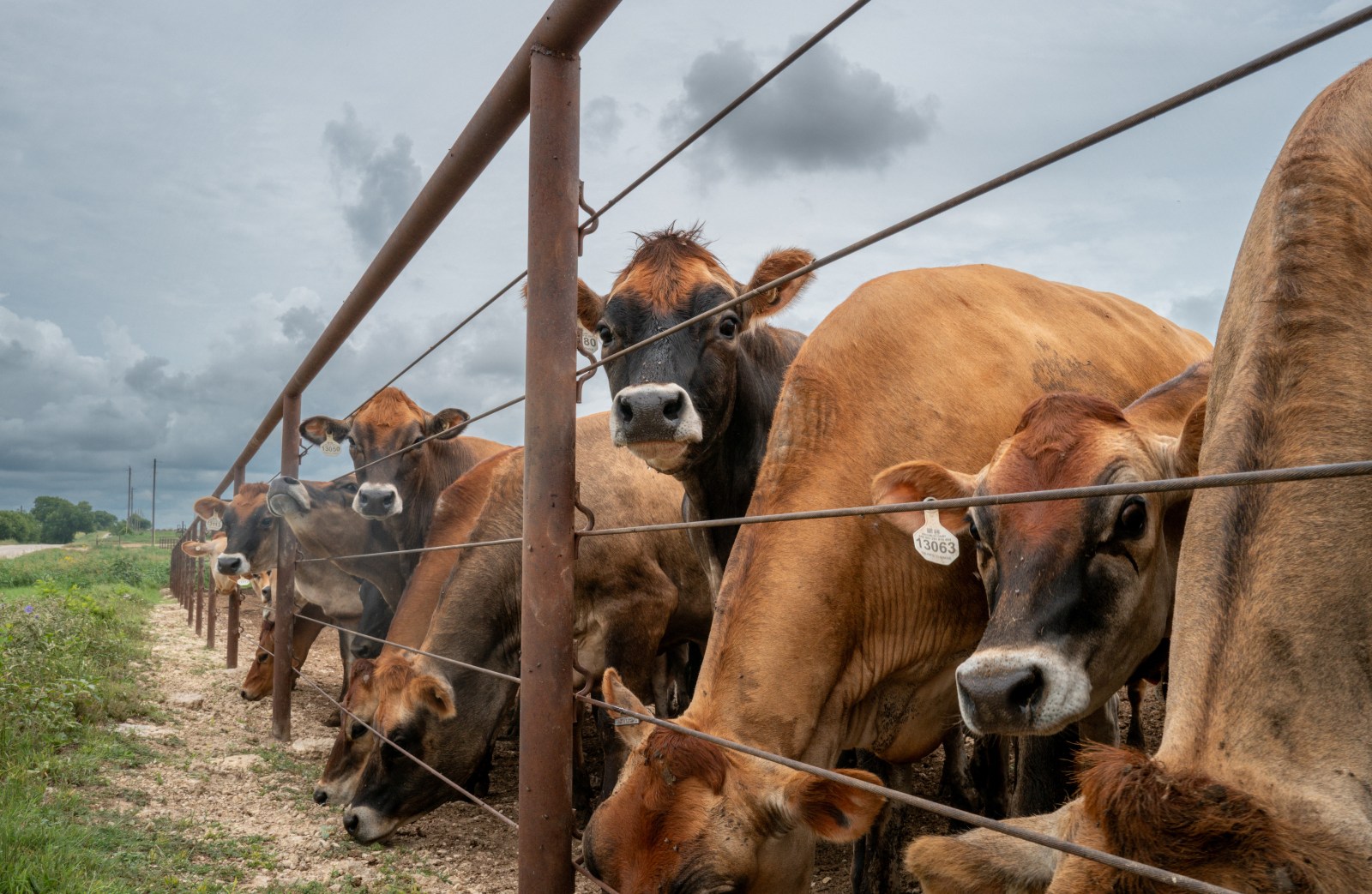
Over recent years, U.S. beef prices have surged due to a shrinking cattle herd, a consequence of droughts, elevated feed costs, and herd liquidation. Trump posted on Truth Social that the U.S. can allow up to 300,000 metric tons of beef in without being subjected to out-of-quota tariffs. He also mentioned a commitment to sell this beef at 25 percent below current market prices.
An “out-of-quota tariff” is applied when the volume of imported goods exceeds a predefined limit. The deal aims to decrease prices for American consumers and offers the U.S. cattle industry room to recover, Trump stated. However, questions remain about the beef’s origin, who will offer it at discounted rates, and how consumers will benefit.
Criticism and Concerns
Trump’s announcement drew criticism from the National Cattlemen’s Beef Association and senators from states with significant beef production. Newsweek sought comments from the White House.
Potential Beef Sources
In response to questions about the beef’s origin, Trump hinted at several countries that would supply “the highest quality beef.” Further details are anticipated once an executive order is issued in the coming two weeks. Experts note that current beef imports mostly originate from Mexico, Canada, Australia, and Brazil, with additional shipments from Nicaragua, New Zealand, and Argentina. Trump previously proposed importing more Argentine beef to lower U.S. prices.
The Trump administration expanded the tariff-rate quota for Argentine beef trimmings by 80,000 metric tons in February, yet confirmation on their involvement in the plan is absent.
Price Commitment Clarity
Trump mentioned a “25 percent below market” commitment, but details regarding the parties involved are missing. Questions persist about whether the arrangement is a formal contract or an informal promise. The definition of “25 percent below current market prices” is unclear. Various imported beef types are priced by the USDA, including bull meat, cow meat, and beef trim.
Unverified reports suggest Trump negotiated a price cut with foreign beef exporters in exchange for lifting tariffs on lean beef trimmings. American producers are anxious to know if discounts apply to import costs, wholesale prices, or retail prices for consumers.
Impact on Consumers
Trump champions the deal’s consumer benefits, though it remains uncertain if public enforcement will mandate retailers to apply the discount. Altin Kalo, head economist at Steiner Consulting Group, highlighted that imported beef is already selling at a discount and the tariff hasn’t posed challenges for importers.
The impact on consumer prices could be minimal as many stores focus on fresh ground beef.
Reactions from Critics
The National Cattlemen’s Beef Association expressed that Trump’s strategy doesn’t support herd growth in the U.S., calling it a short-term message-centric move. Colin Woodall, NCBA CEO, stated that the plan sacrifices stability for temporary gains. PMI Foods President Darin Parker labeled the decision as a temporary fix that won’t address fundamental supply issues.
He advocated for American ranchers to expand herd size for lasting solutions. Republican Senator Tim Sheehy from Montana warned Trump’s approach would harm ranchers, a majority of whom identify as MAGA Republicans. Senator Deb Fischer of Nebraska criticized the deal on X, highlighting its adverse effects on the domestic livestock industry.
Senator Jerry Moran from Kansas shared concerns on X, arguing it pressures the livestock sector and discourages growth, urging Trump to let market dynamics prevail.
Newsweek’s editorial contacts: Daniel Orton and Robert Greenall.