
Public Media Adapts to Funding Cuts with Innovation and Support
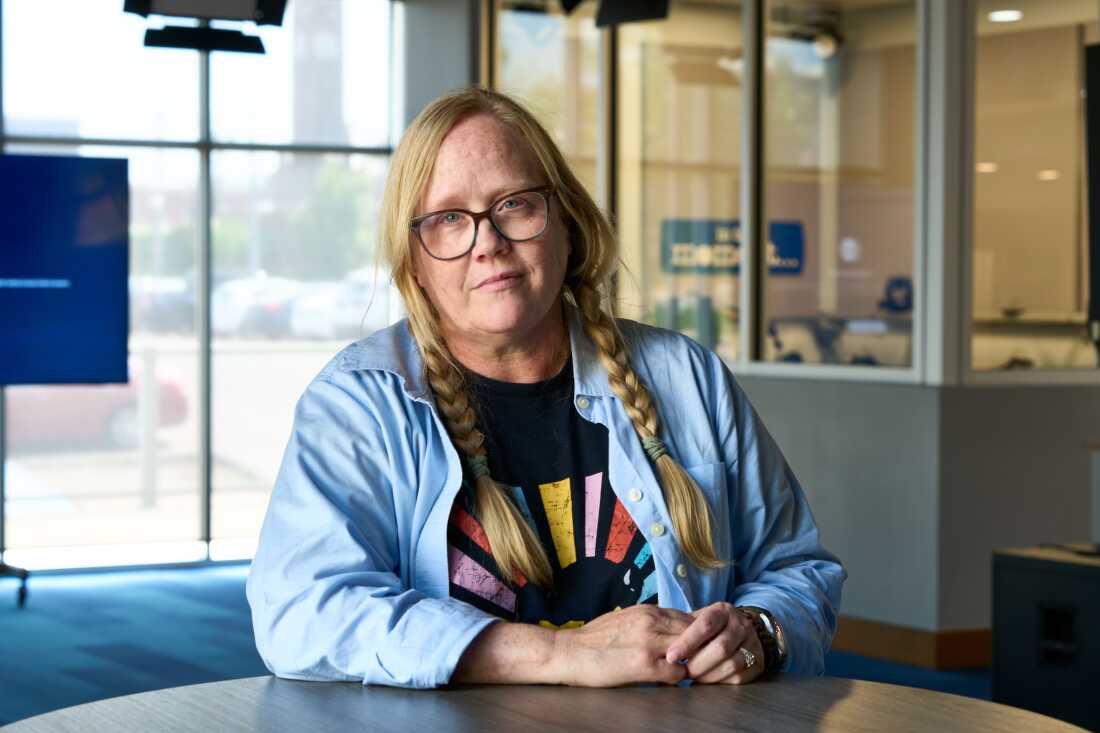
Lori Walsh, initially laid off following the loss of federal funding, has returned to South Dakota Public Broadcasting as a podcaster thanks to generous financial backing from listeners. This situation arose after President Trump drove a conservative backlash against NPR and PBS, leading Congress to eliminate nearly all federal funding for these public media outlets.
The consequences were immediate. According to a tally by SemiPublic, over 500 public media staffers were laid off. Station officials felt urgency due to the forced changes, but also hope as listeners, viewers, and philanthropists stepped up to fill the financial void. PBS CEO Paula Kerger emphasized the critical role audiences play in sustaining public media.
Impact on Rural Stations
While NPR received less than 2% of its annual revenue from federal funding, public radio stations generally relied on federal funds for 8 to 10% of their budgets. PBS and public television stations faced even higher impacts, with rural stations particularly affected due to having fewer donors.
South Dakota Public Broadcasting experienced immediate repercussions after the withdrawal of federal funds. Lori Walsh’s weekly public affairs show, “In the Moment,” was canceled, and seven of its 11 journalists were laid off. Ryan Howlett, the chief executive of the private foundation supporting South Dakota Public Broadcasting, noted a surge in donations from first-time givers, resulting in a record $8 million in funding, allowing Walsh’s return to offer a daily podcast.
Unexpected Innovations
Similar innovative responses occurred across the nation. KSUT in southwestern Colorado bought solar panels and started an endowment thanks to increased donor contributions, creating savings in electricity costs and future financial stability. Lawsuits against Trump’s order targeting public media funds resulted in a victory for stations, affirming their role within a free and independent press.
Tim Black, CEO of WNIN in Evansville, Indiana, faced challenges when the state legislature cut funding. Yet, increased contributions from station members and financial assistance from the Public Media Bridge Fund helped WNIN finish the year with a surplus.
Future Challenges and Adaptations
Nationally, NPR reduced fees for stations carrying its programming, benefiting local outlets financially. The network also received significant gifts aiding its digital transformation. Yet Jennifer Ferro, president of KCRW in Los Angeles, noted changes with federal funding accounting for just 5% of their budget, resulting in staff cuts and transformation into new programming forms like podcasts and newsletters.
One year after funding cuts, public media stations are innovating and exploring new models for financial sustainability, though anxiety persists. Station executives continue questioning whether public media can sustain without greater innovation.