
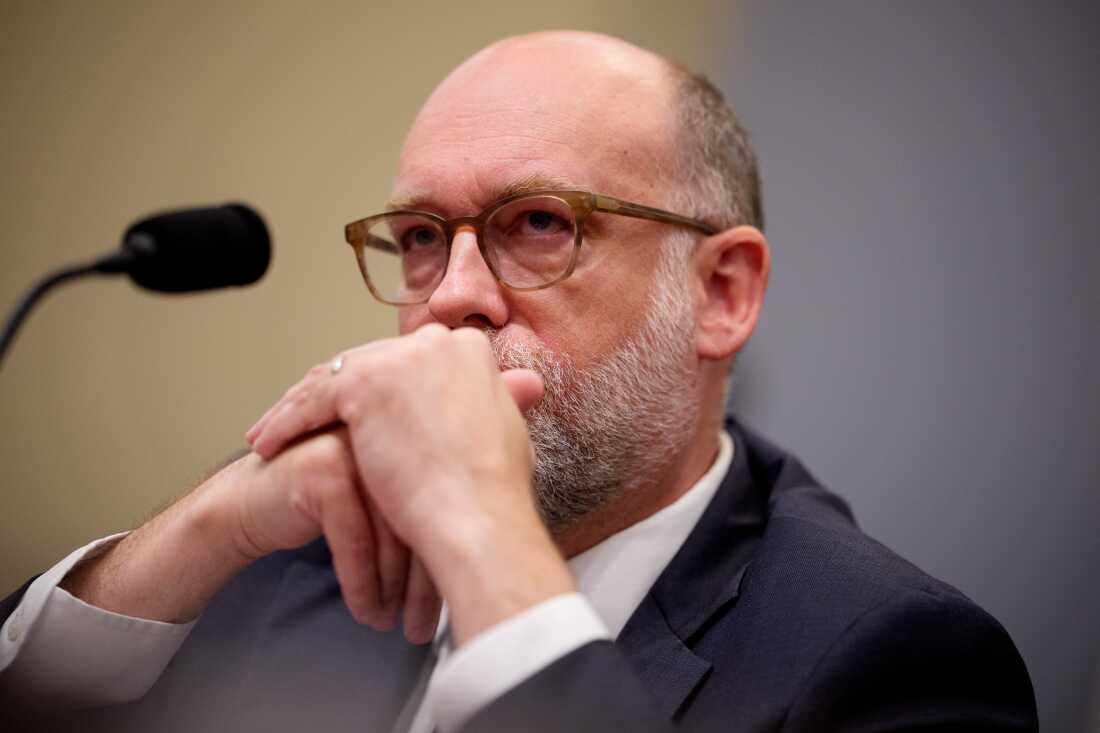
Director Russell Vought of the White House Office of Management and Budget recently spoke to the House Budget Committee concerning a proposed rule that may enhance political appointees’ authority over research grants. This shift could introduce political influence into federal research funding decisions, impacting various fields, notably health and science.
Despite bipartisan support for research in Congress and a high level of trust in science nationwide, some experts, like Holden Thorp of Science magazine, criticize the proposal as detrimental to the scientific community. The Federal Register published the proposal on May 29, with experts suggesting it could solidify current strategies to reshape the landscape of research in the U.S.
Holden Thorp stated, “The Trump administration seems determined to mortally wound the nation’s scientific enterprise.”
The rule’s potential reach includes diverse research areas such as public health, biotechnology, behavioral science, and climate studies. Advocacy groups are swiftly mobilizing to counter these changes. Cole Donovan, of Stand Up for Science, warns against the end of peer review as a cornerstone of scientific integrity, stating, “We’re gonna make sure that it doesn’t fade quietly into the night.”
Peer Review and Political Oversight
Peer review has historically played a crucial role in maintaining research standards post-World War II. Federal agencies have often followed this method to evaluate funding proposals and make informed decisions. Although peer review panels have been advisory, decisions typically involve non-political career experts within agencies.
The new rule preserves peer review but mandates political appointee involvement in the grant review process, leading critics to argue this grants veto power to non-scientific officials. Stand Up for Science organized a forum where historian Tim Snyder compared the situation to late Stalinist practices.
Tim Snyder commented, “Government itself will cease to work” if political rule-breaking becomes normalized.
Other observers liken current developments to U.S. governmental overreach during the 1950s, when ideological scrutiny overshadowed merit-based assessments. Statements from entities like the Infectious Diseases Society of America reflect concerns over replacing scientific merit with political biases.
Administration’s Position and Critic Response
The Office of Management and Budget argues for the rule’s efficiency, claiming it helps identify waste and fraud. However, critics find no evidence supporting the need for such drastic changes and warn of the risks posed by allowing political decision-makers to influence scientific progress.
Former NIH staffer Elizabeth Ginexi questioned the competence of political figures like Russell Vought to decide on complex scientific matters.
The proposed rule further restricts research on diversity, equity, and inclusion, and limits international scientific collaborations, sparking additional backlash from science communities.
Political and Public Reaction
Democratic lawmakers are attempting to gain public support against the proposal. U.S. Rep. James Walkinshaw emphasized that when political agendas interfere with research, the public suffers.
Despite the push from Congress and public appeals, significant legislative action on the rule appears unlikely. The proposal remains open for public feedback until July 13, after which comments will be reviewed. If enacted, the rule is expected to face legal challenges, according to Donovan.