
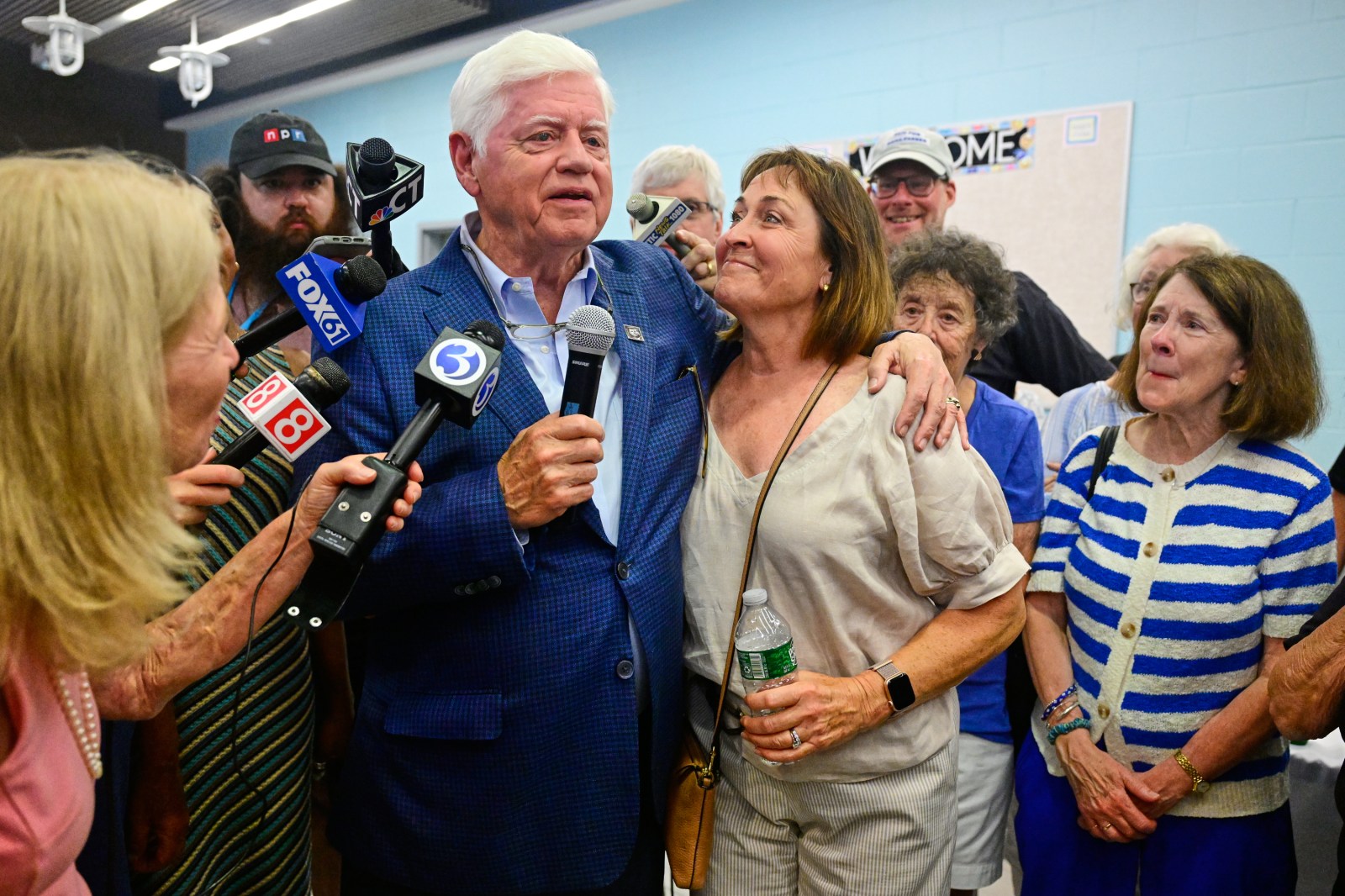
Long-serving U.S. Representative John Larson was defeated in Connecticut’s Democratic primary. His loss adds to a list of sitting Democrats who have lost their seats this year. Larson, aged 78, was unseated by former Hartford Mayor Luke Bronin, 47. This outcome signals a desire for generational change among Democratic voters.
The Push for Younger Leadership
The Democratic Party is grappling with a debate over leadership. Many want younger leaders to replace the older figures. This trend is highlighted by Larson’s defeat, which emphasizes voters’ craving for change.
This year, seven House Democrats, including several older incumbents, have lost their primary races. The number matches a previous record set in 2012. Younger candidates, some with progressive platforms, have replaced these incumbents.
Impact of Redistricting
In Texas, Representatives Al Green and Julie Johnson lost after districts were redrawn, favoring Republicans in upcoming elections.
Larson was running for his 15th term but age concerns became prominent. Last year, he had a complex partial seizure during a House session, raising health issues among voters. Bronin’s campaign highlighted the need for new energy in Congress.
If we are going to fix this mess that we are in, we need to build a Democratic Party that is bringing a whole new energy to this fight.
Bronin stated post-victory. He stressed that change must come from within the party.
Progressive Influence
Several older incumbents lost to younger challengers, including Representatives Diane DeGette, Adriano Espaillat, Shri Thanedar, and Al Green. Some incumbents like Ed Case and Brad Sherman defended their seats against younger opponents.
In New York City, progressive candidates ousted Representatives Espaillat and Dan Goldman. Darializa Avila Chevalier, a younger challenger, defeated Espaillat, supported by rising progressive figures.
Al Green lost in Texas to Christian Menefee due to redistricting and generational change.
Voter Sentiment and Future Challenges
The series of losses signals that voters are seeking change in party leadership. Costas Panagopoulos from Northeastern University noted voter fatigue with older politicians. He said voters are looking for fresh faces and ideas.
Boris Heersink from Fordham University observed that incumbents generally retain seats, despite exceptions this year. He cited left-wing challenges and generational shifts pushing this trend.
By 2026, these issues might be even more potent. Topics like American support for Israel and older politicians could become focal points in future challenges.
Heersink mentioned potential difficulties for Democrats if they achieve a slim House majority. New candidates might withhold support for Speaker Hakeem Jeffries, complicating leadership decisions.
Democratic Party’s Road Ahead
The Democratic National Committee’s summer meeting in Austin, Texas, will be crucial. Leaders will start strategizing for the November general elections. Elections involve all 435 House seats and 35 Senate seats.
How leaders respond to the rise of younger candidates will influence the party’s strategies and future direction. Their decisions now could determine performance in November and shape the party’s path towards 2028.