
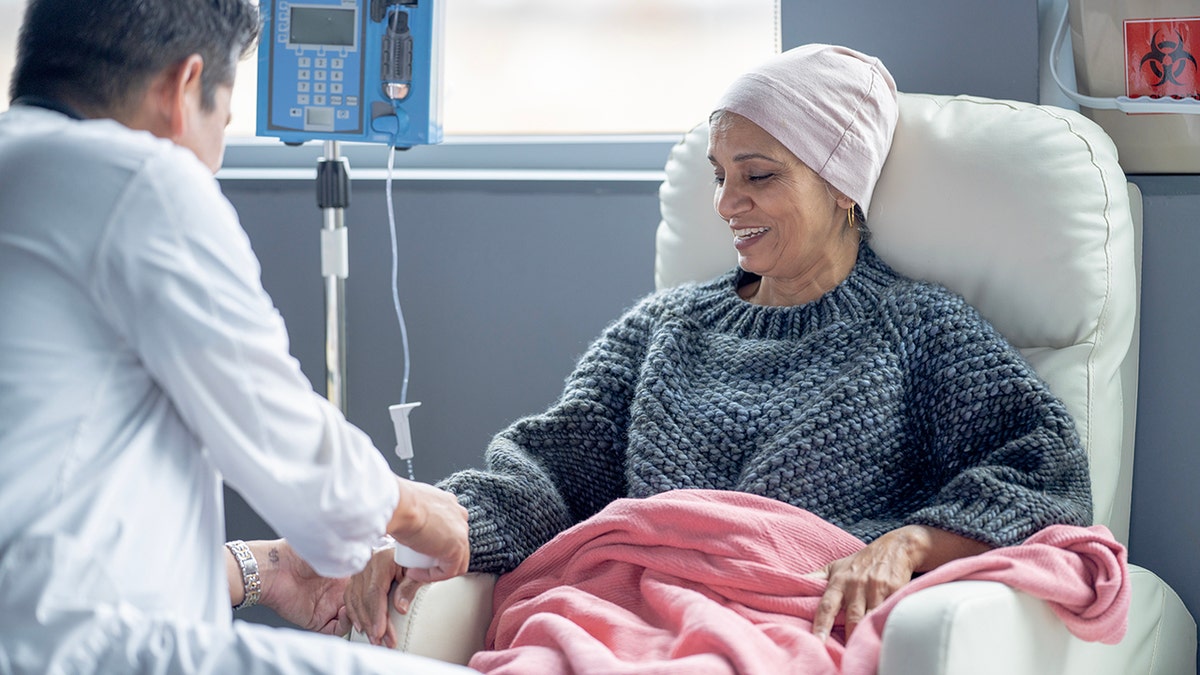
Recent research indicates a potential new treatment for patients with advanced breast cancer. Scientists are exploring the effects of trastuzumab rezetecan on individuals with ERBB2-low metastatic breast cancer, characterized by low levels of the protein HER2, which can influence cancer cell growth.
HORIZON-Breast06 Clinical Trial
The HORIZON-Breast06 phase 3 clinical trial aimed to compare the effectiveness of this drug with standard chemotherapy. Researchers evaluated 551 female patients across 73 hospitals in China. These participants were randomly assigned to receive the drug intravenously every three weeks or the physician’s choice of chemotherapy. The study spanned from June 2023 to August 2025.
The drug significantly prolonged the period before cancer progression, offering patients over a year before tumor growth resumed. The median progression-free survival was 16.4 months for trastuzumab rezetecan recipients, compared to 6.8 months for chemotherapy recipients.
Study Findings
Trastuzumab rezetecan demonstrated a 73% reduction in the risk of cancer worsening or patient death compared to chemotherapy. The treatment appeared effective for both hormone receptor-positive and hormone receptor-negative breast cancer. Tumors shrank in 75.5% of patients receiving the drug, versus 41.2% of those undergoing chemotherapy. At 12 months, 90.6% of patients on trastuzumab rezetecan remained alive, compared to 81.4% of those on chemotherapy.
The authors concluded that trastuzumab rezetecan provided “significant progression-free survival benefit over physician’s choice of chemotherapy in patients with ERBB2-low advanced breast cancer.”
Loren Rourke, a breast surgical oncologist from Texas not involved in the study, expressed optimism about these findings. She highlighted the importance of these additional months for patients: “They represent more time when the cancer is being held in check and potentially more opportunities to enjoy life without the disease getting worse.” Rourke also acknowledged that while the treatment is promising across various breast cancer types, it’s crucial to consider side effects.
Side Effects and Future Research
Though trastuzumab rezetecan shows promise, it led to serious side effects in over 84% of patients, compared to nearly 68% for chemotherapy. These included anemia and blood-related issues. While researchers found toxicity generally manageable, dose modification was often necessary.
Rourke emphasized the need to balance treatment benefits with quality of life considerations. “More time without cancer progression doesn’t automatically mean better quality of life,” she noted. Understanding side effects, especially reduced blood counts leading to fatigue and infection risk, remains vital.
Experts agree that continued research is essential. While the treatment delays cancer progression, its impact on overall survival remains unclear. “As eager as these findings make us, there are still important questions we need to answer,” Rourke stated. “It’s important to celebrate meaningful progress while making sure we’re asking the right questions about what comes next.”