
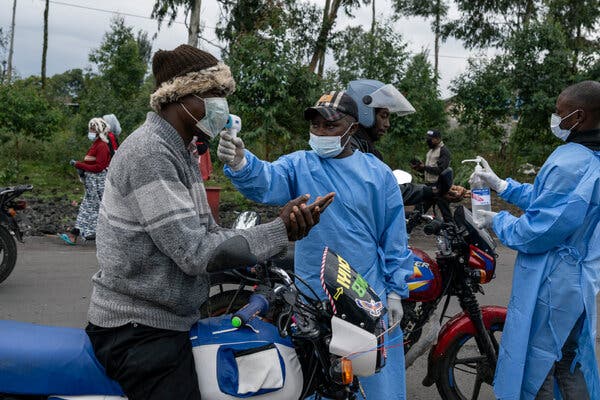
The response to the Ebola outbreak in East Africa reveals both progress and persistent challenges. Health experts identify lessons learned from past outbreaks, including the devastating Ebola epidemic of 2014-2016, and the Covid-19 pandemic.
The Bundibugyo species of the virus spread undetected for months in the Democratic Republic of Congo and Uganda, resulting in hastily set up treatment centers that still lack basic medical supplies. Despite these setbacks, there are improvements in coordination among governments and scientists, and increased investment in research infrastructure.
According to Suerie Moon, a global health researcher, the world has progressed from an F during the West Africa outbreak response to a C+. She highlights increased cooperation and investment in research on vaccines and treatments for Bundibugyo.
“If we are even talking about clinical trials now, it’s a significant advancement from our position in 2014,” commented Dr. Daniel Bausch, a veteran of more than twelve hemorrhagic fever outbreaks in Africa.
Challenges remain, particularly ensuring sustained funding for research and guaranteeing availability of treatments to those in need. These gaps highlight areas needing continued focus and improvement.