
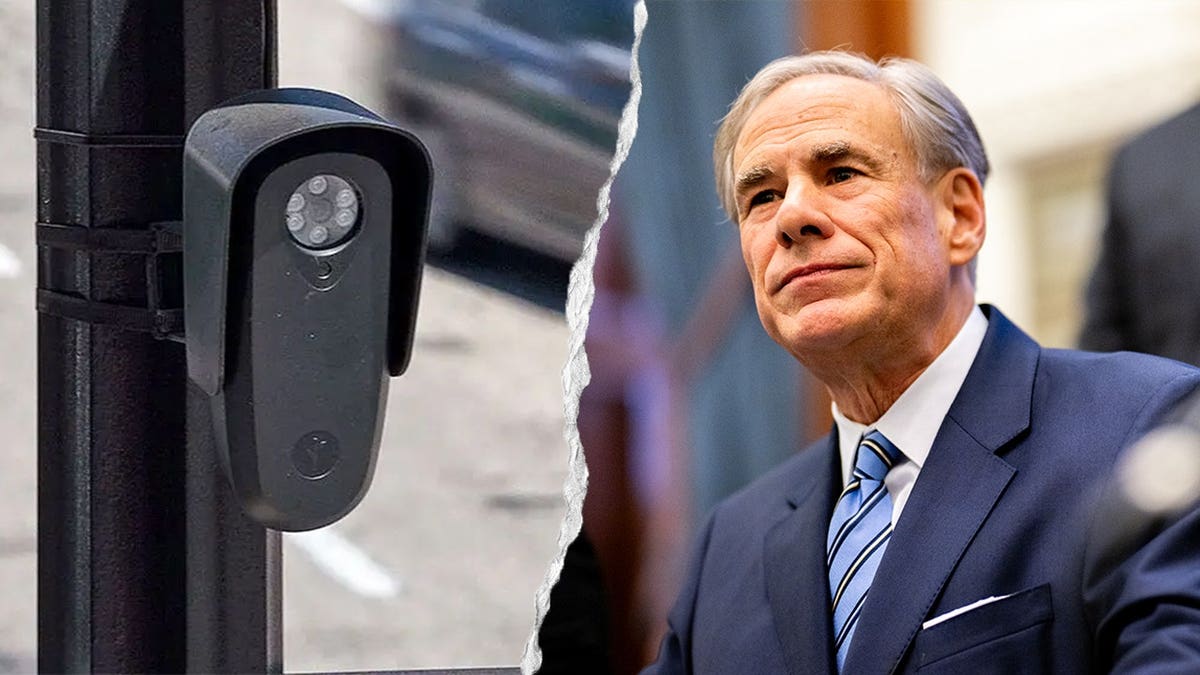
Flock Surveillance Cameras are facing bipartisan opposition as local governments reconsider their contracts with the AI-powered technology due to privacy issues. There is ongoing debate regarding the utility of these license plate readers, with figures like Florida Gov. Ron DeSantis warning about a potential surveillance state expanding in over 100 cities.
Action in Texas: Texas Gov. Greg Abbott recently halted state-agency funding for Flock cameras. While the majority of funding for these cameras comes from federal government allocations, Abbott’s office mentioned that cities in Texas are increasingly terminating contracts with Flock, as highlighted by spokesperson Andrew Mahaleris.
Abbott’s decision follows concerns from various communities about data sharing, privacy risks, and the improper use of collected information. Flock Safety, a provider of Automated License Plate Readers (ALPRs), captures passing vehicles, logging details like make, model, color, and unique features.
These technologies assist law enforcement agencies in locating criminal suspects and stolen vehicles promptly. However, concerns persist regarding privacy violations and the mismanagement of data.
Community Actions: Texas cities like Pflugerville have already voted to cease contracts with Flock, thereby deactivating and removing the camera systems. Similarly, Hood County is disconnecting its cameras due to residents’ pressure.
Flock Safety, defending the technology, stated its role in supporting law enforcement by solving severe crimes and enhancing community safety. The company advocates for legislation that balances technology use, privacy, and transparency.
Wide Reaching Impacts: Beyond Texas, figures like Sen. Josh Hawley, R-Mo., demand further scrutiny of Flock’s expansive surveillance network operating in 49 states, with over 120,000 cameras capturing billions of vehicle scans monthly.
On a legal note, state grants for camera installations arose from a 2023 measure addressing vehicle theft by adding a charge to insurance policies. There was no prior legislative discussion about funding Flock cameras.
Overall, perspectives on Flock’s technology continue to vary, with concerns about privacy, possible data misuse, and effective crime prevention remaining central to the discourse around automated surveillance methods.