
As the November elections set the stage for 2028, Democrats are likely to find their left wing playing a significant role. If Democrats were to gain control of Congress, expectations point to narrow majorities hinged on their most left-wing members. Democratic leaders may face challenges they neither desire nor anticipate.
Democrats currently lag with 215-220 seats in the House and 47-53 in the Senate. They aim for a net gain of three House and four Senate seats to seize control. Historical data from 1986-2022 suggests presidential party losses in second midterm elections, indicating that Republicans may lose 11 House and six Senate seats. An analysis of presidential losses for George W. Bush (2006) and Barack Obama (2014) shows Republicans could lose 21 House and 7 Senate seats.
However, Republicans are expected to mitigate these losses, having gained 10 seats from mid-decade redistricting efforts. The current Senate map offers them a favorable outlook, unlike previous years for Democrats. Additionally, Republicans enjoy a significant fundraising advantage, bolstered by the Supreme Court’s decision removing limits on coordinated spending between candidates and party committees.
Considering these factors, Democrats anticipate limited election gains. If they secure majorities, they may contend with uncooperative marginal members, given that democratic socialists are winning primaries in districts promising general election victories. In New York, Zohran Mamdani’s endorsement helped two democratic socialists win Democratic primaries for safe House seats. Another progressive, Brad Lander, unseated a House incumbent.
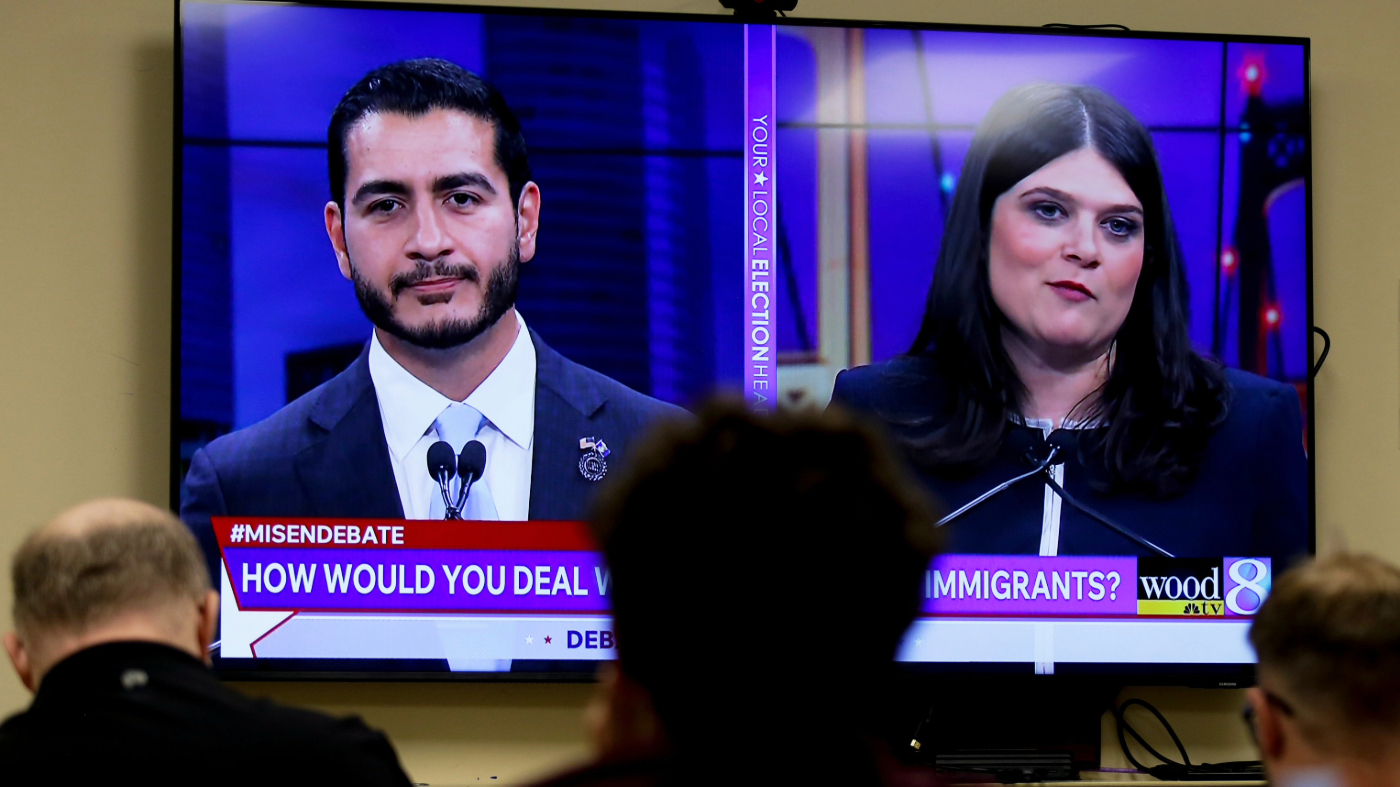
The Senate races reflect similar dynamics. For example, Graham Platner’s last-minute withdrawal in Maine complicates the nomination process. In Texas, the Democrats nominated another left-wing candidate, James Talarico. In Michigan, Abdul El-Sayed, favored by Rep. Alexandria Ocasio Cortez, leads the Democratic Senate primary field.
If successful, four left-wing winners could join existing democratic socialist colleagues like Ocasio-Cortez, Rashida Tlaib, Greg Casar, and Summer Lee in the House. Similarly, three Senate candidates could join Bernie Sanders. These members might hold pivotal voting power in Congress, challenging Democratic leaders.
The Democratic Congressional leaders face bids post-election, with the socialists’ influence growing in proportion to the slim Democratic majorities. Their refusal to support leadership proposals could hinder Democratic majority efforts. They might side with Republicans to block inadequate legislation. Whether in the House or Senate, they could shape outcomes and agendas.
This potential left-wing dominance within the Democratic caucus is not solely reliant on primaries or elections. The influence already exists with 100 members in the Congressional Progressive Caucus. Reinforcements are forthcoming, yet the magnitude remains uncertain.
Democrats, displaying disapproval of the Trump administration, must consider their messengers. As new voices join established ones, they will likely wield significant leverage for at least two years. They risk highlighting radicals as they attempt to scrutinize the Trump administration. Democratic leadership grapples with not having this narrative at the forefront.