
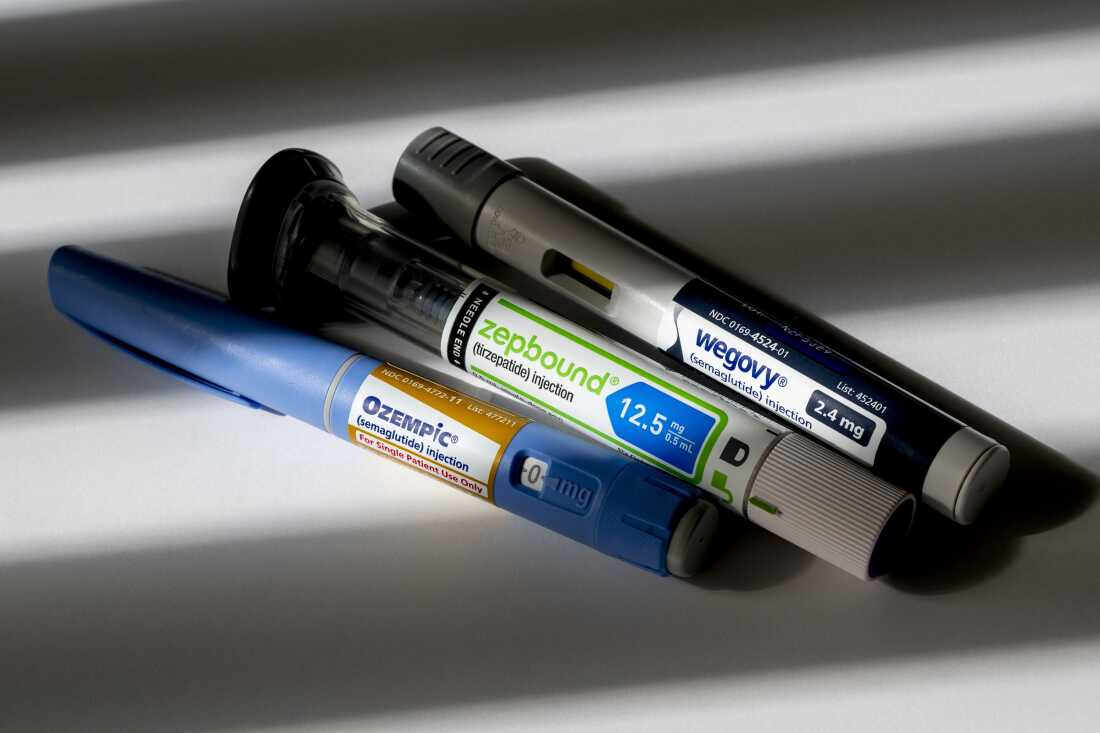
GLP-1 medications are sold under various brand names and are used to treat conditions such as diabetes, obesity, and sleep apnea. Current research into their impact on cancer is still in its early stages. However, recent studies suggest these treatments may also help reduce cancer risk.
Multiple studies indicate that GLP-1 medications might reverse some carcinogenic risks associated with obesity and provide additional anti-inflammatory benefits. These effects could help suppress tumor growth.
Research presented at the American Society of Clinical Oncology meeting highlighted four key studies from the Journal of Clinical Oncology. The largest of these studies analyzed medical and prescription data from over 10,000 patients with early-stage cancer. It found that GLP-1 medications reduced cancer risk in six out of seven cancer types, with significant declines noted in breast, liver, colorectal, and non-small cell lung cancers. Reductions in kidney and prostate cancer risks were observed to a lesser extent, while pancreatic cancer rates showed minimal impact.
The decrease in non-small cell lung cancer progression to Stage IV was notably less for patients on GLP-1 medications, dropping from 22.3% to 10%.
GLP-1 as a Cancer Treatment
Originally developed as diabetes medications influencing brain and gut hormones, GLP-1 drugs have also proven beneficial for obesity, heart disease, sleep apnea, and potentially addiction. Their role in cancer treatment is still under study, with current data revealing only correlations.
Dr. Julie Gralow, ASCO’s chief medical officer, notes that the medical databases used in these studies lacked details like comorbidities, exercise routines, and dietary habits. Still, the data aligns with existing knowledge about obesity’s role in multiple cancers and the importance of healthy lifestyles post-cancer diagnosis.
Breast Cancer Risk and Weight Loss
An additional analysis presented at the same conference showed that women aged 45 to 80 who used GLP-1 medications had a 30% lower risk of developing breast cancer. Radiologist Elizabeth McDonald from the University of Pennsylvania notes that the protective effects of GLP-1 drugs appear to be stronger than those from other weight loss methods or lifestyle changes.
McDonald suggests that GLP-1 medications might activate metabolic pathways that reduce inflammation, a known cancer driver.
Ongoing Research and Future Directions
Several trials are underway to explore how GLP-1s impact chronic inflammation and immunosuppression, factors contributing to cancer growth. Oncologist Coral Omene at Rutgers Cancer Institute is following breast cancer patients starting on the GLP-1 drug tirezepatide. Omene will monitor changes in cancer markers and inflammation in participants through regular blood tests and fat cell biopsies.
Omene hopes this research will enhance the understanding of the optimal use of GLP-1 drugs in cancer prevention and treatment.