
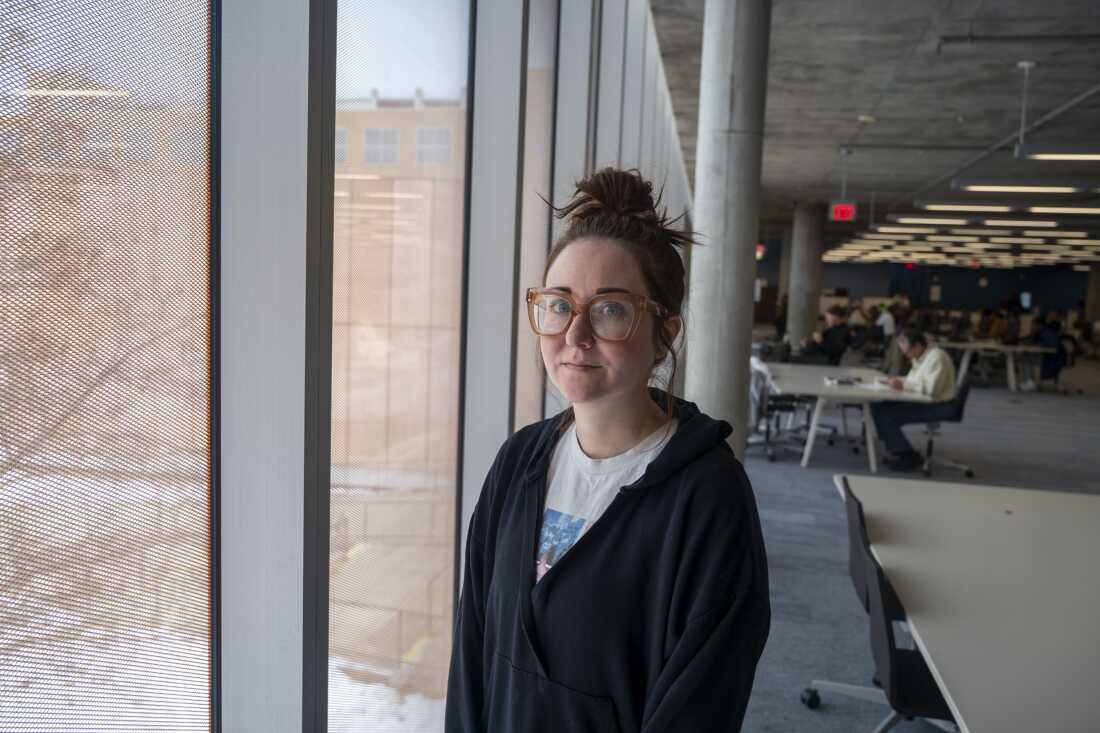
Morgan Newman, diagnosed with cervical cancer in 2015, faced a significant disruption in her life. While working as a dental assistant in Des Moines, Iowa, and studying to become a social worker, she was shocked by her diagnosis after an abnormal Pap smear result. Initially unconcerned, the 24-year-old learned the seriousness of her condition after experiencing heavy bleeding during a follow-up exam. Referred to a gynecologic oncologist, Newman soon discovered she had cervical cancer.
This diagnosis came at a critical time; she had just moved into her own apartment. Despite the shock, Newman joined a growing group of cancer survivors in Iowa and nationwide. The National Cancer Institute projects that the number of cancer survivors in the U.S. will grow from 18 million in 2025 to 22 million by 2035. Yet, many face ongoing mental health struggles long after treatment ends.
Treatment and Challenges
Newman endured six weeks of radiation and chemotherapy, initially clear of cancer at her three-month scan. However, more suspicious nodules were found in her lungs, necessitating further chemotherapy. This treatment was taxing not only physically but also mentally. As her friends celebrated milestones like marriage and children, Newman felt left behind.
She was no stranger to therapy, having sought help for anxiety and depression before her illness. However, the financial burden of medical bills and the demands of her schedule forced her to stop. By 2017, with a new job providing better benefits, Newman resumed therapy. Her concerns about the cancer returning and challenges like infertility persisted.
A New Purpose
Nearly a decade later, cancer prevention fuels Newman’s career. As the Iowa grassroots manager for the lobbying arm of the American Cancer Society, and a board member of other cancer organizations in Iowa, Newman channels her experiences into advocacy. She continues therapy to manage anxiety about recurrence and infertility issues caused by treatment.
“The fear of the unknown can really impact you physically and mentally,” she said, highlighting the lasting psychological effects of cancer.
Cancer’s Hidden Impact
Studies reveal cancer survivors often grapple with prolonged anxiety and depression. Cancer Nation’s survey indicated about a third of participants faced fears of recurrence and struggled with identity loss. Yet, only 20% consulted mental health professionals. Shelley Fuld Nasso, CEO of Cancer Nation, notes the scarcity of therapists knowledgeable about cancer’s impact.
In Iowa, where cancer rates are notably high, the shortage of mental health professionals complicates access to necessary care.
Addressing Mental Health in Oncology
Dr. Richard Deming, of MercyOne Richard Deming Cancer Center, emphasizes the need for comprehensive care that includes mental health. The center offers counseling, yoga, and other services to aid patients and survivors. Meanwhile, therapist Julie Larson caters specifically to cancer survivors, understanding their unique physical and emotional challenges.
Patricia Ganz, an oncologist at UCLA, acknowledges the gap in mental health services for cancer patients. There’s a growing realization of the need for mental health screenings and referrals, but execution remains inconsistent.
Dr. Deming advocates for a holistic approach to patient care, asking, “What issues are you experiencing?” rather than focusing solely on cancer status.
This narrative is part of NPR’s collaboration with Iowa Public Radio and KFF Health News, highlighting the underestimated mental health needs of cancer survivors.