
Canadian sociologist Marshall McLuhan once stated, “the medium is the message.” In a twist on this, what if the message itself is just “medium”? Currently, political parties are focused on crafting their communications to influence voters during the upcoming elections.
Republican Messaging
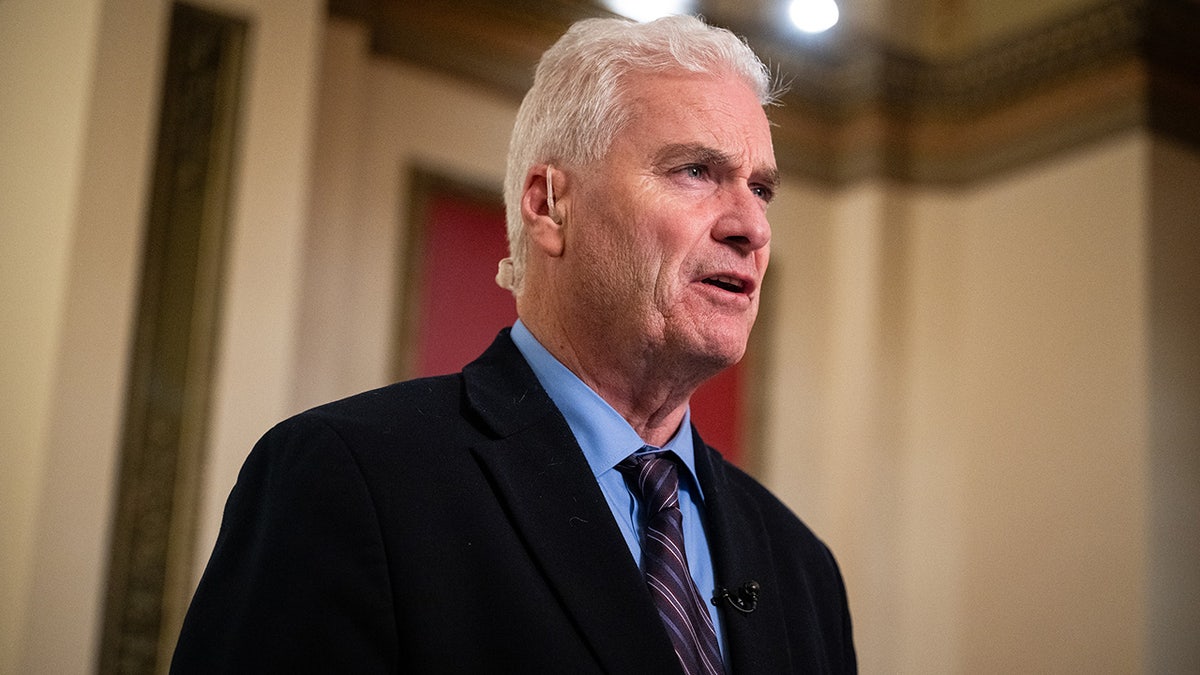
House Majority Whip Tom Emmer, R-Minn., emphasized the accomplishments of his party. “We have achieved a lot, such as no taxes on overtime and tips, along with an increase in the childcare tax credit,” he said on Fox News. These are part of what is referred to as the “big, beautiful bill” passed by the GOP-led Congress last summer. Republicans aim to remind voters of these past successes, but Sen. Kevin Cramer, R-N.D., noted that voters are more interested in current achievements.
The midterm elections pose challenges, with Rep. Nancy Mace, R-S.C., foreseeing harsh outcomes for Republicans. She expressed concerns about blame being directed at her party.
Democratic Goals
Democrats are focusing their campaigns on affordability, with emphasis on the impact of grocery and fuel costs. “Americans care most about pocketbook issues,” said Sen. Tim Kaine, D-Va., criticizing the tariff strategy for affecting allies and citizens financially.
Another priority for Democrats is accountability concerning past administrations. Candidates like Melat Kiros of Colorado are calling for actions against former President Donald Trump. House Democrats are prepared to use subpoenas if necessary.
Despite their varied strategies, some Democrats believe focusing on bread-and-butter issues is more politically beneficial. Sen. Peter Welch, D-Vt., advised sticking to affordability concerns.
Republican Strategy Reevaluation
Sen. John Kennedy, R-La., commented on the lack of a cohesive message from both parties, suggesting a strategy that relies on portraying the opposition negatively.
Republicans plan to address security measures, citing President Trump’s border policies as robust. Sen. Katie Britt, R-Ala., advocated for communication about past border successes.
Artificial Intelligence and Emerging Issues
Both parties recognize artificial intelligence as a late-emerging concern. Sen. Chris Murphy, D-Conn., sees Democrats leveraging AI discussions in their political agenda.
House Minority Leader Hakeem Jeffries, D-N.Y., urged immediate action on AI and accused Republicans of neglecting the issue.
The House passed the Ratepayer Protection Act to alleviate high utility costs linked to data centers. Sen. Jon Husted, R-Ohio, argued this benefits consumers, suggesting tech firms cover additional expenses. However, Sen. Martin Heinrich, D-N.M., blocked the proposal, advocating for stronger legislation.
Despite the obstruction, Republicans believe this incident might work in their favor, spotlighting their pro-affordability stance.
With midterm elections approaching, both parties aim to strengthen their platforms to appeal to voters. Whether these efforts resonate could influence outcomes significantly.