
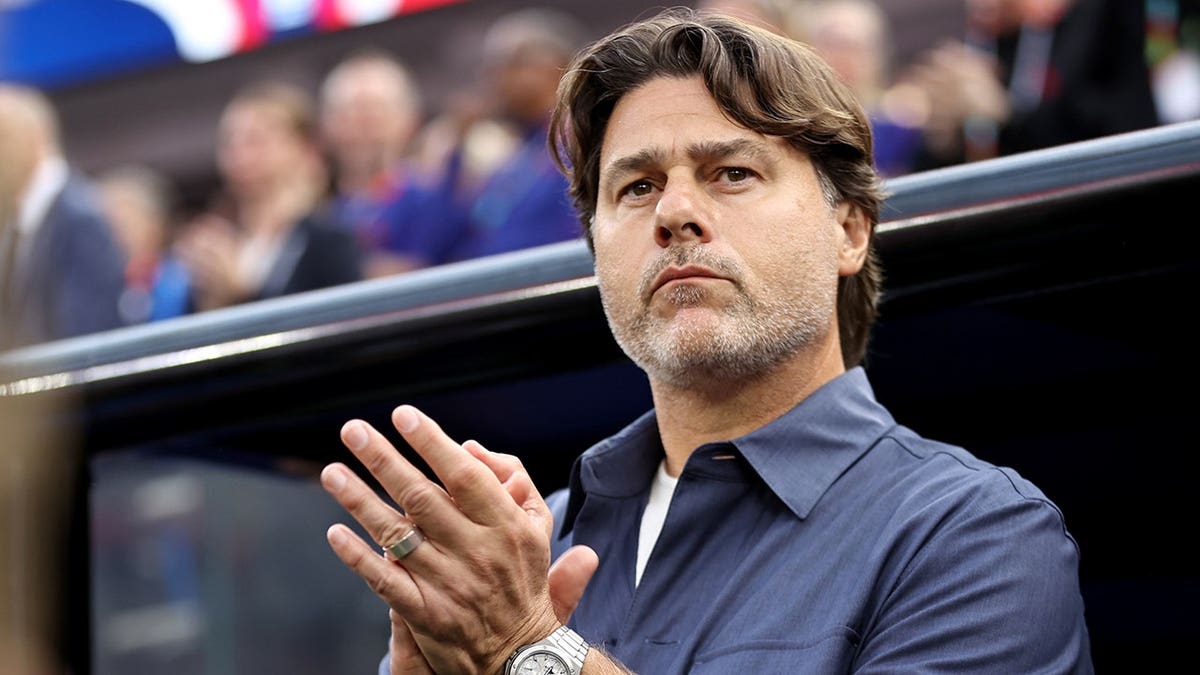
When Mauricio Pochettino took over as head coach of the US Men’s National Team almost two years ago, it was seen as a major achievement for US Soccer. Pochettino brought a fresh perspective, contrasting sharply with Gregg Berhalter, whose managerial experience was largely in MLS. Pochettino had managed at the highest levels in Europe, including Tottenham Hotspur in the Premier League, Paris Saint-Germain in Ligue 1, and Chelsea.
Pochettino’s beginning was marked by challenges. The team lost 2-1 to Mexico in the Gold Cup Final, with some controversial referee decisions favoring Mexico. Yet, Pochettino’s real test was always going to be the 2026 World Cup.
The USMNT’s World Cup journey began impressively. In their opening match against Paraguay, the team secured a resounding 4-1 victory with a remarkable display of aggressive and coordinated play. They followed up with a 2-0 win over Australia but lost a less significant match to Turkey while resting many starters.
The team demonstrated resilience in the knockout stage, particularly against Bosnia and Herzegovina. Despite Florian Balogun receiving a controversial red card, the team showcased determination. Malik Tillman scored a remarkable free-kick goal sealing the win.
This achievement set the stage for a significant challenge: facing Belgium to advance to the quarterfinals. Unfortunately, Belgium defeated the USMNT 4-1. This loss highlighted weaknesses, including poor coordination, defensive errors, and mistakes from key players.
Assessing Pochettino’s performance is now necessary for US Soccer. They issued a statement after the World Cup exit, suggesting they desire his continued leadership:
“We had positive conversations with Mauricio before the World Cup about the future,” the statement says. “We agreed we would continue those conversations following a chance to rest and reflect post World Cup. We have a great deal of respect and gratitude for Mauricio, his staff, and everyone part of the program.”
Pochettino expressed a desire for reflection and discussion regarding his future. He mentioned, “In the next few weeks, we can start to talk if the federation wants to talk,” highlighting a pause to consider options.
Securing Pochettino’s continuation with the team should be a priority. Despite challenges, his halftime tactical adjustments were crucial. Issues like relying on an aging Tim Ream or the goalkeeper’s error against Belgium were not his fault. The player pool has improved significantly, which bodes well for future potential.
Structural issues in youth soccer coaching and administration remain but fall within the purview of US Soccer, not the national coach. For team selection, development, and tactics, few coaches could rival Pochettino’s suitability. Top names like Pep Guardiola, Carlo Ancelotti, or Jurgen Klopp are unlikely options, with Klopp already in talks to lead the German National Team.
This is a significant moment for US Soccer. Making the right decisions for the upcoming cycle is vital. Hopefully, they succeed.