
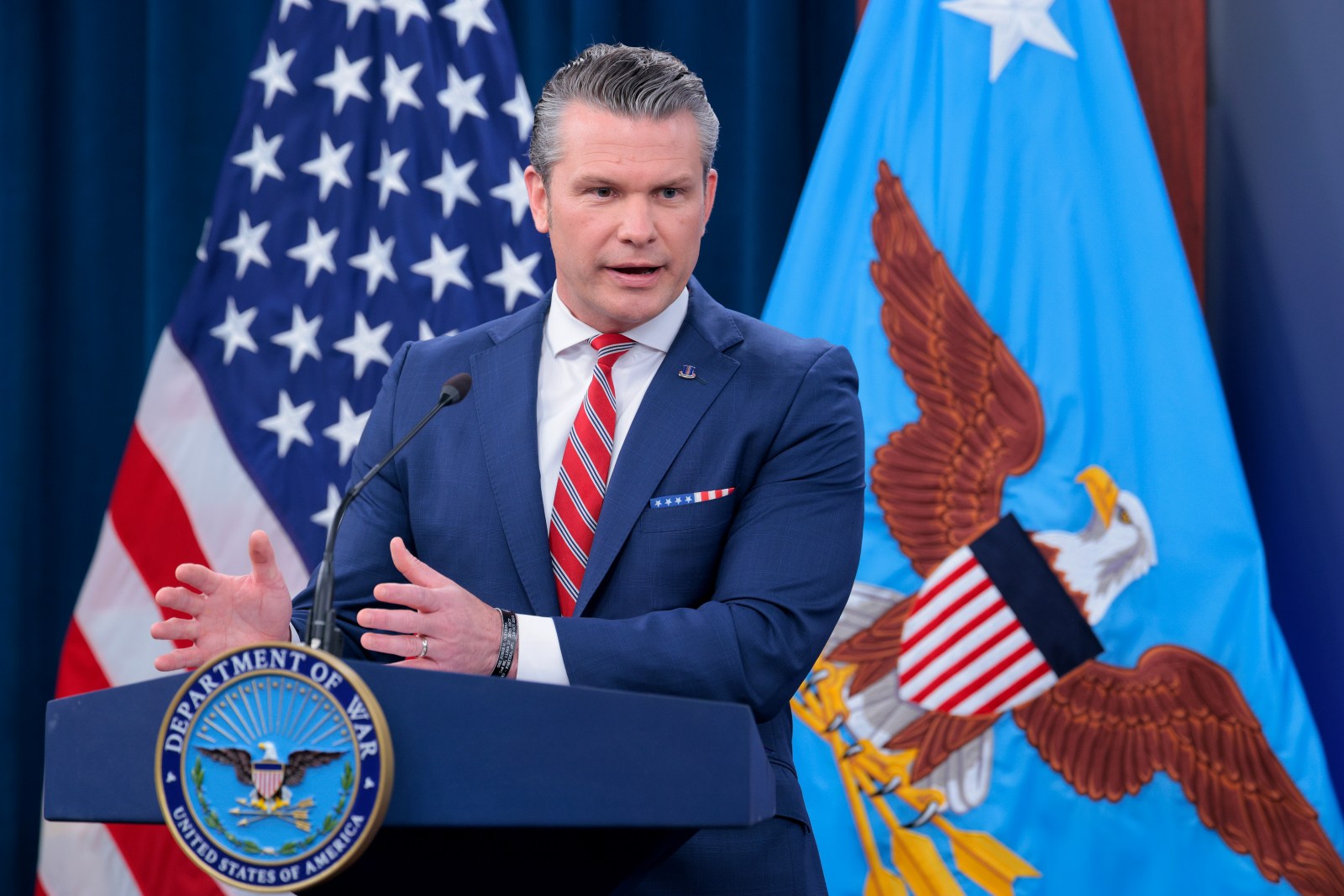
A recent wave of high-level exits from the Pentagon, directed by Defense Secretary Pete Hegseth, is causing bipartisan alarm in Congress. Lawmakers are worried that the departure of senior military figures could negatively impact decision-making during challenging global circumstances.
The departures, such as General Chris Donahue, commander of U.S. Army Europe and Africa, have sparked questions about the motivations behind these firings. Critics argue that the lack of clear reasoning is damaging trust within military ranks.
General officers serve at the pleasure of the President and the Secretary of Defense,” Pentagon Spokesman Sean Parnell remarked, highlighting the longstanding policy.
Concerns are coming from both political parties. Senator Tim Kaine, a Democrat on the Senate Armed Services Committee, warned potential action from lawmakers might follow if the Pentagon fails to clarify the situation. He emphasized the importance of having senior military leaders who can provide frank advice during demanding times.
Some senior military figures worry the recent dismissals might curb honest advice at top levels. Kaine expressed concern on CBS’s Face the Nation about whether Hegseth is seeking positive feedback only, particularly targeting the Army. He noted Hegseth’s past service in the Army National Guard and suggested that personal grievances might play a role in these decisions.
The pattern of reshaping Pentagon leadership goes beyond individual instances. Hegseth has overseen several high-level removals, drawing significant criticism over how these actions align with strategic needs.
Republican lawmakers have voiced unease alongside Democrats. Senator Thom Tillis highlighted that prioritizing loyalty over expertise could hurt military effectiveness. Representative Don Bacon also criticized the removals, emphasizing a potential politicization of the military.
Since 2025, Hegseth has overseen a series of removals, including General Randy George, General David Hodne, and Major General William Green Jr. The pace and scale of these changes have fueled debate and concern over the lack of detailed public explanations.
Retired Major General Randy Manner described the situation as “very dangerous,” fearing it might discourage senior officers from providing honest feedback during wartime. Donahue’s departure particularly stands out due to his extensive military experience, raising multiple questions among lawmakers.
With the annual defense policy bill up for discussion, lawmakers are considering added provisions for oversight. The Senate bill might receive amendments for increased scrutiny on such decisions. The House is already advancing steps for the Pentagon to promptly inform Congress about senior military dismissals.
The broader tension reflects the balance between Pentagon autonomy and congressional oversight, especially during ongoing U.S. military engagements. Any new transparency measures could become significant elements of the defense bill.
While lawmakers await detailed answers from the Pentagon, patience in Congress may soon wear thin.