
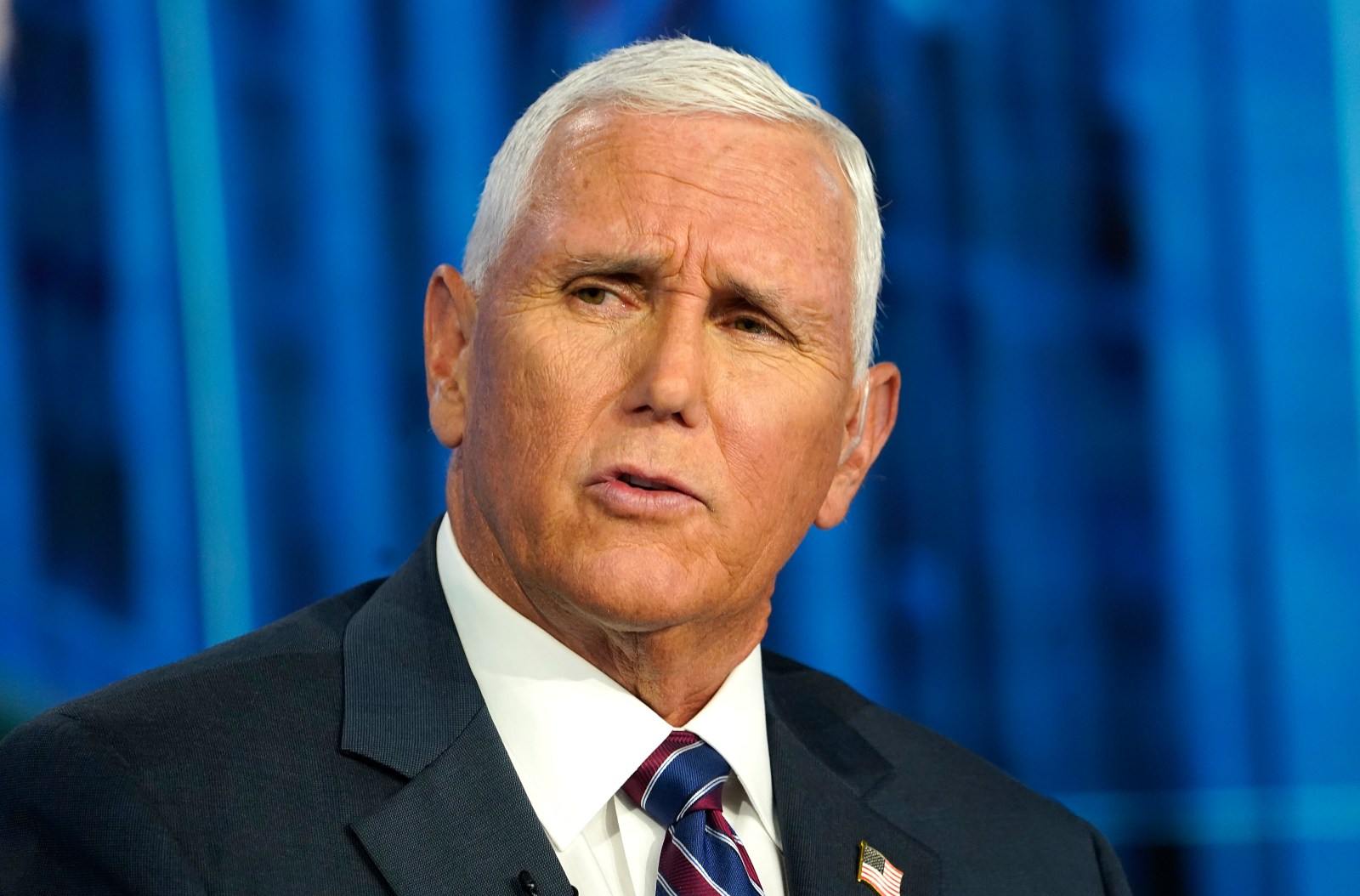
Former Vice President Speaks Out
Former Vice President Mike Pence has expressed concerns over reported U.S. concessions to Iran in a deal initially announced by President Donald Trump. During an interview with CNN’s Kaitlan Collins, Pence described these concessions as “much bigger than a mistake” and suggested that they could provide a “lifeline” to Tehran.
Trump’s Historic Move
Pence praised Trump’s decision to strike Iranian nuclear facilities, labeling it as a historic move. He commented that it marked the first time in decades that a U.S. president directly challenged Iran’s ruling regime, making America safer.
Pence emphasized, “The fact that he tried diplomacy for the following year to begin to make progress and recognized the need to take direct action was pivotal.”
According to Pence, the memorandum of understanding “smacks of appeasement,” and he urged Trump to “stand firm” against Iran. He cautioned against pulling back at this critical moment.
Context and Concerns
Pence remarked that initial diplomacy by the Trump administration was appropriate after the strikes. When questioned about whether the reported agreement was a mistake by the Trump administration, he stressed the significance, considering it “much bigger than a mistake.” He referred to last year’s historic move when Trump targeted Iranian nuclear facilities, declaring it a direct approach against Tehran that enhanced American safety.
“Now is not the time for compromises that seem like immediate concessions,” Pence argued, pointing to concerns about potential sanctions and waivers. He maintained that the pressure should remain and that military readiness should be considered if necessary.
Critics of the Iran deal worry that concessions could empower the regime without adequately addressing nuclear issues. Pence suggested the approach of “peace through strength” and advocated for continued pressure on Iran.
Reported Agreement Details
A draft 14-point memorandum viewed by Bloomberg News reportedly commits the U.S. and Iran to end hostilities and initiate a 60-day negotiation process. Other terms include lifting the naval blockade and issuing sanctions waivers on Iranian oil exports, with plans for economic development funding.
The draft suggests lifting sanctions from the U.S., United Nations Security Council, and International Atomic Energy Agency under a negotiated timeline. In return, Iran would pledge not to produce nuclear weapons and address nuclear material concerns.
JD Vance emphasized that no American funds should be sent to Iran. Contradictory reports about a $300 billion reconstruction fund have surfaced, affecting clarity on the negotiations.
Current Status and Reactions
Trump announced a preliminary agreement aimed at ending prolonged war tensions in the Middle East. In a Truth Social post, he stated that ships were safely moving out of the Strait of Hormuz. He also denied any payment to Iran and affirmed Iran’s commitment to nuclear weapon prohibition.
Rajan Menon, professor emeritus of International Relations at the City College of New York, noted inconsistencies in Iran’s nuclear pledge portrayal. Historically, Iran has renounced nuclear weaponry, as understood from previous agreements, including during Obama’s presidency.
Trump further authorized strategic movements concerning the Strait of Hormuz, signaling a potential shift in regional dynamics.